
- The Navajo Nation formally declared a drought state of emergency on June 9, 2026, citing severe conditions straining water supplies, livestock, and farming communities.
- Approximately 7,500 stock ponds across the Nation are vulnerable to prolonged drought, threatening the water supply for animals and agriculture.
- The Nation’s emergency management commission has proposed $6.55 million from its Agricultural Infrastructure Fund to repair windmills, water storage systems, and other critical infrastructure.
Monday, June 15, 2026 — Across the vast red-rock landscape of the Navajo Nation, the ground is dry, ponds are shrinking, and ranchers are watching their grazing lands struggle under a relentless drought. On June 9, 2026, Navajo Nation leaders made it official: a state of emergency is now in place.
The Navajo Nation Commission on Emergency Management, with the support of President Buu Nygren, formally approved Resolution No. CEM 26-003, declaring an emergency due to severe and ongoing drought conditions . The declaration covers communities spread across the Nation’s sprawling territory, which spans parts of Arizona, New Mexico, and Utah.
What the Drought Is Doing.
The effects are hitting hard and in multiple directions at once.
Water supplies are tightening. Reservoir levels are dropping. Forage production, the grasses and plants that livestock depend on for food, has declined. And the pressure on grazing lands continues to mount.
Perhaps most striking is the sheer scale of the infrastructure at risk. According to the Navajo Nation Drought Contingency Plan, roughly 7,500 stock ponds and numerous livestock watering facilities across the Nation are vulnerable to the prolonged dry spell. For families who depend on ranching and farming to make a living, that is not a small number. It is a way of life on the line.
Leaders Sound the Alarm.
President Nygren did not mince words when speaking about the urgency of the situation.
“The health of our communities, livestock, and natural resources depends on our ability to respond proactively to these challenging conditions,” Nygren said. “This declaration allows us to coordinate resources, strengthen drought mitigation efforts, and support the families who rely on agriculture and ranching for their livelihoods.”
Part of a Larger Picture.
The Navajo Nation’s declaration did not come in isolation. It follows drought disaster designations issued by the U.S. Department of Agriculture for counties that overlap with Navajo territory. The states of Arizona and New Mexico have also taken emergency actions in recent weeks in response to persistent drought and elevated wildfire risks throughout the region.
A Plan and a Price Tag.
With the declaration in place, the Commission on Emergency Management has recommended allocating $6.55 million from the Nation’s Agricultural Infrastructure Fund. The proposed spending would go toward repairing windmills, upgrading livestock water storage systems, and funding other drought mitigation projects intended to strengthen agricultural infrastructure and improve the Nation’s long-term resiliency.
The declaration also directs all Navajo Nation divisions, departments, and programs to coordinate their emergency response efforts. Local chapters across the Nation are being encouraged to activate their own drought mitigation plans and step up preparedness activities.
How Long Will It Last?
The emergency declaration has no fixed end date. It will remain in effect until the Commission on Emergency Management and the Office of the President and Vice President formally rescind or replace it with a new action.
For the families, ranchers, and farmers across the Navajo Nation watching the skies and counting their remaining water, the declaration is both a recognition of their struggle and, they hope, the beginning of meaningful relief.
Source: Navajo Nation Office of the President and Vice President, June 10, 2026.
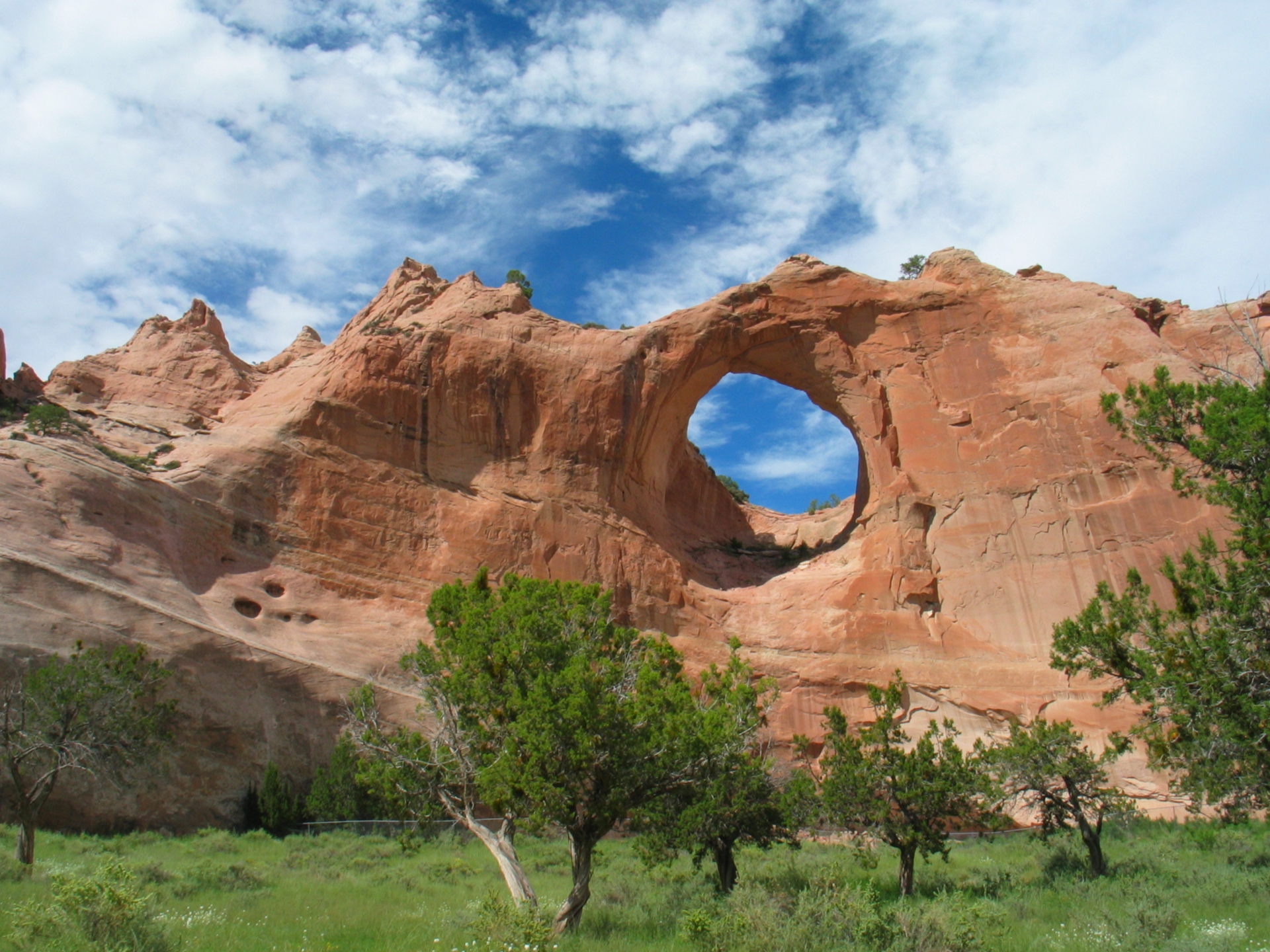
Pictured: The namesake of Window Rock, Arizona , by Ben FrantzDale, August 2006. Licensed under the Creative Commons Attribution-Share Alike 3.0 Unported license.
Totally agree. Thanks, Ted!