
- Utah released a draft of its 2026 State Water Plan on July 23, 2026.
- The public can review and comment on the draft through August 23, 2026.
- The plan warns demand could outpace supply by 2060 without more conservation.
Monday, July 27, 2026 — The Utah Division of Water Resources released a draft of its 2026 State Water Plan on July 23, 2026, opening a 30-day window for residents to weigh in on how the fast-growing state will manage a shrinking water supply. State officials describe the document as a shared roadmap rather than a set of rules, built with help from tribes, local governments, water providers, watershed councils and the public.
“This plan is a collaborative effort that ensures we are addressing the diverse water needs of our growing state,” said Joel Williams, Director of the Division of Water Resources. “Input from our partner agencies, stakeholders and the public is essential to creating a resilient water future for all Utahns.”
A Roadmap, Not a Rulebook.
Utah law requires the state to publish a water plan on a regular schedule. Under a 2024 law known as House Bill 280, the plan must be updated at least once every ten years, though the division has set an internal goal of every five years. The plan does not carry the force of regulation. Instead, it lays out recommendations for spending on infrastructure, data, research, education and policy, and it points state and local leaders toward shared goals.
The 2026 vision, as written in the draft, calls for “a safe, reliable water supply that improves the environment, enhances urban and rural communities and supports the economy now and into the future.” The plan is organized around three themes: reliability and resilience, collaboration and stewardship.
Stephanie McGinnis, the division’s State Water Plan Manager, framed the document as a guide for the years ahead. “The State Water Plan is more than a document,” she said. “It is a roadmap that helps align state, local and individual efforts to address Utah’s evolving water needs. By planning ahead, we can build on our strengths and prepare for future challenges.”
Warning Signs in the Water.
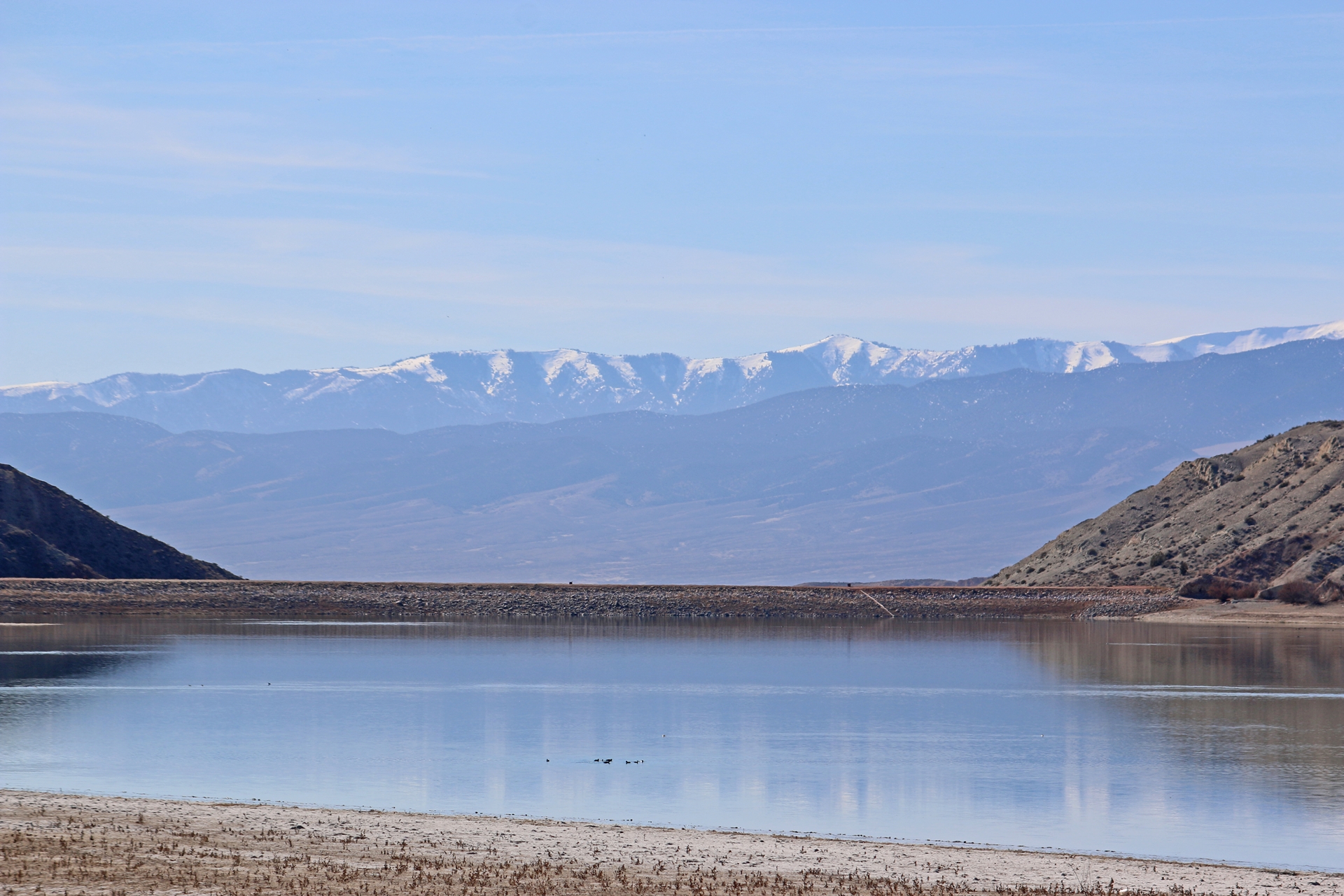
The draft paints a sober picture of current conditions. Utah is one of the driest states in the nation, and the plan reports that groundwater, lake and reservoir levels have been falling. According to the draft, those declines signal an imbalance between how much water the state uses and how much nature provides. Both Great Salt Lake and Lake Powell have hit record lows.
The past five years drove the point home. Since the last plan came out in 2021, the draft notes, Utahns have lived through unprecedented extreme heat, severe wildfires, and both record-high and record-low snowpack.
Where the water comes from is also shifting. On average across the state, about 72 percent of diverted water is drawn from surface sources such as rivers and reservoirs, while 28 percent is pumped from underground. The plan reports that total human water use has not changed much since 1989, but farming’s share has dropped while municipal and industrial (M&I) use has climbed. Temperature has played a role as well. The mean annual temperature has risen about 0.4 degrees Fahrenheit per decade over the past 40 years, and the water lost to evaporation and plant use in natural systems grew 13 percent between 2001 and 2024.
Looking Toward 2060.
Much of the plan looks decades down the road. Utah’s population is projected to grow from 3.6 million in 2025 to 5.6 million by 2065, with about 80 percent of residents living along the Wasatch Front and Wasatch Back.
To test the future, the division modeled two paths out to 2060. One, called the No Change scenario, assumes water habits stay as they are. The other, the Current Trends scenario, assumes conservation keeps improving. The difference is large. Under the Current Trends path, statewide municipal and industrial demand could run about 47 percent lower than under No Change.
That gap matters for supply. The draft estimates that under the No Change scenario, statewide demand could exceed available supply by 674,000 acre-feet by 2060. Continued conservation, under the Current Trends scenario, could shrink that shortfall to roughly 128,000 acre-feet. The division cautions that these figures are uncertain and that actual demand in many cities has come in lower than past forecasts.
Keeping the system running will cost money. A 2025 state fee study cited in the plan found that Utah’s water providers will need roughly $1.2 billion in additional funds each year to build, maintain and upgrade infrastructure as the population grows and federal support declines.
Built With Public Input.
The draft is the product of a multi-year effort. During 2025, the division held community gatherings called “Water Talk” across the state, giving residents a chance to share local knowledge and help rank community water needs. Those meetings, along with interagency working groups and public surveys, helped shape the plan’s goals and recommendations.
How Residents Can Weigh In.
The public comment period runs from July 23 to August 23, 2026. The division will host a virtual open house on Thursday, July 30, 2026, from 6:30 to 7:30 p.m., featuring a short overview of the plan and a live question-and-answer session. Residents can also submit questions ahead of time to be addressed during the session.
The division expects to release the finalized 2026 State Water Plan by the end of December 2026. Residents who want to follow key milestones can sign up for email updates through a subscription form on the division’s website.


 wpDiscuz