- Federal agencies awarded $44.3 million in grants on July 2, 2026, to restore fish habitat and fund science studies in California’s Central Valley.
- The money supports four river habitat restoration projects and six studies focused on salmon, steelhead, sturgeon, and the tiny Delta smelt.
- Project sites include Butte Creek, the Stanislaus River, the Lower American River, and the Sacramento River.
- Better fish data is expected to help water managers make smarter decisions about how water is delivered from the Central Valley Project.
- Funding comes from the Central Valley Project Improvement Act, a federal law designed to protect and restore fish and wildlife in the region.
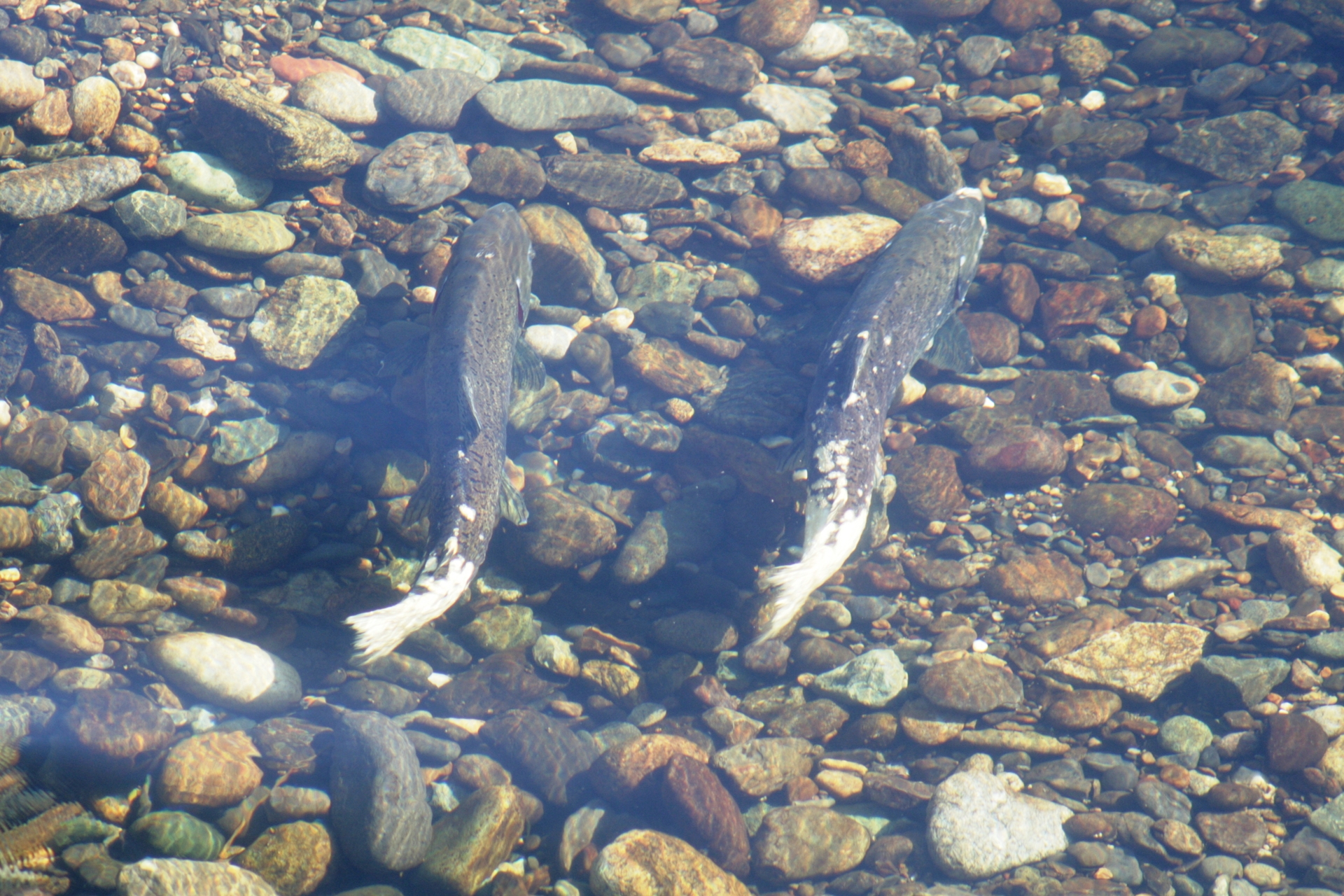
Monday, July 6, 2026 — Some of California’s most iconic fish are in trouble. Chinook salmon, steelhead trout, green and white sturgeon, and the endangered Delta smelt have all seen their numbers fall sharply over the decades. On July 2, 2026, the federal government took a significant step toward turning that around.
The Bureau of Reclamation and the U.S. Fish and Wildlife Service jointly announced $44.3 million in grants to fund both hands-on habitat restoration work and critical scientific studies in the Central Valley and the Sacramento-San Joaquin River Delta. The awards come from funds set aside by Congress in 2024.
Why These Fish Matter — and Why They’re Struggling.
The rivers of California’s Central Valley were once among the most productive salmon rivers in the world. Hundreds of thousands of Chinook salmon would swim upstream each fall to spawn. Today, those runs are a fraction of what they once were.
The reasons are many: dams that block migration routes, water diversions that reduce river flows, farming and development that have altered riverbank landscapes, and warming water temperatures driven by climate change. Each factor chips away at what fish need to survive.
Restoring that habitat is not just about the fish. Healthy rivers support entire ecosystems — birds, bears, insects, and the farmers and communities that depend on reliable, clean water supplies.
Science First: Understanding What the Fish Need.
Before restoration can work, scientists need solid data. Six of the funded projects focus specifically on gathering data that has long been missing or incomplete.
California State Polytechnic University Humboldt will dig into existing records on juvenile sturgeon movement to better understand how young sturgeon travel through the river system. The City of Sacramento’s Water Forum will conduct a population study of wild Central Valley steelhead on the American River. The Sacramento River Settlement Contractors will track young Chinook salmon, following where they go, how they behave, and how well they survive in the Sacramento River.
Two teams at the University of California, Davis, will tackle different but equally important questions. One group will study what young salmon and steelhead are eating and how well they are growing in Central Valley streams, with the goal of feeding that information into computer models used to predict and support salmon recovery. The other team will focus on the Delta smelt, a small, nearly transparent fish that has become a symbol of the Delta’s ecological troubles. Researchers will refine scientific models that predict smelt survival by measuring the fish’s metabolic rates and studying the effects of water contaminants.
The University of California, Santa Cruz, rounds out the science awards with a study designed to reduce uncertainty about where green sturgeon live, how many there are, and what habitats they rely on.
“By tying our investments directly to rigorous science, we ensure that every dollar spent delivers maximum benefits for fish habitat,” said Steve Whiteman, the U.S. Fish and Wildlife Service’s administrator for the Central Valley Project Improvement Act program. “Over time, this smart, targeted approach will pave the way for a lasting recovery and a vibrant future for these important fish populations.”
Boots on the Ground: Restoring River Habitat.
Four other projects will move beyond the lab and into the rivers themselves.
On Butte Creek, the nonprofit Friends of Butte Creek will carry out the second phase of a floodplain restoration project on a state-owned ecological reserve. Floodplains are critical for young salmon. When rivers overflow their banks during high water, fish spread into shallow, warm, food-rich areas where they can feed and grow quickly before heading to the ocean.
On the Stanislaus River, the East Stanislaus Resource Conservation District will lead collaborative habitat restoration and planning work on the lower stretch of the river.
In Sacramento, the Water Forum will maintain and monitor salmon habitat restoration sites on the American River, making sure previously completed projects continue to function as intended.
And on the Sacramento River, at a site called Dos Rios Norte, the conservation group River Partners will implement a habitat enhancement project to restore natural river processes and improve conditions for fish.
A Connection to Water Deliveries.
The announcement carries implications that go beyond fish. Federal officials noted that strong habitat investments support what they called “regulatory certainty” — meaning that when fish populations are healthier and better understood, water managers face fewer legal constraints on how much water can be moved through the Central Valley Project, a vast network of dams, reservoirs, and canals that delivers water to farms and cities across much of California.
“This year’s funding reflects our commitment to restoring fish habitat and supporting directed studies that will be used toward science-based decisions that will improve management of the Sacramento River system,” said Armin Halston, the Bureau of Reclamation’s Central Valley Project Improvement Act Program Manager.
The grants were awarded through a competitive process under the Central Valley Project Improvement Act, a 1992 federal law that set aside a portion of Central Valley Project water and revenue specifically for fish, wildlife, and habitat protection. Eligible applicants included Central Valley Project water contractors, including farms, cities, and water districts that pay for water delivered through the federal system.
Looking Ahead.
The projects funded in this round represent a broad, coordinated effort to rebuild the scientific foundation and the physical habitat that California’s native fish depend on. Whether these investments translate into measurable population recoveries will take years to determine. But federal officials and their partners say the work is essential and that doing it right, grounded in careful science and targeted restoration, is the best path forward for fish and water users alike.



Sometimes the canary is not a canary, it’s a fish.