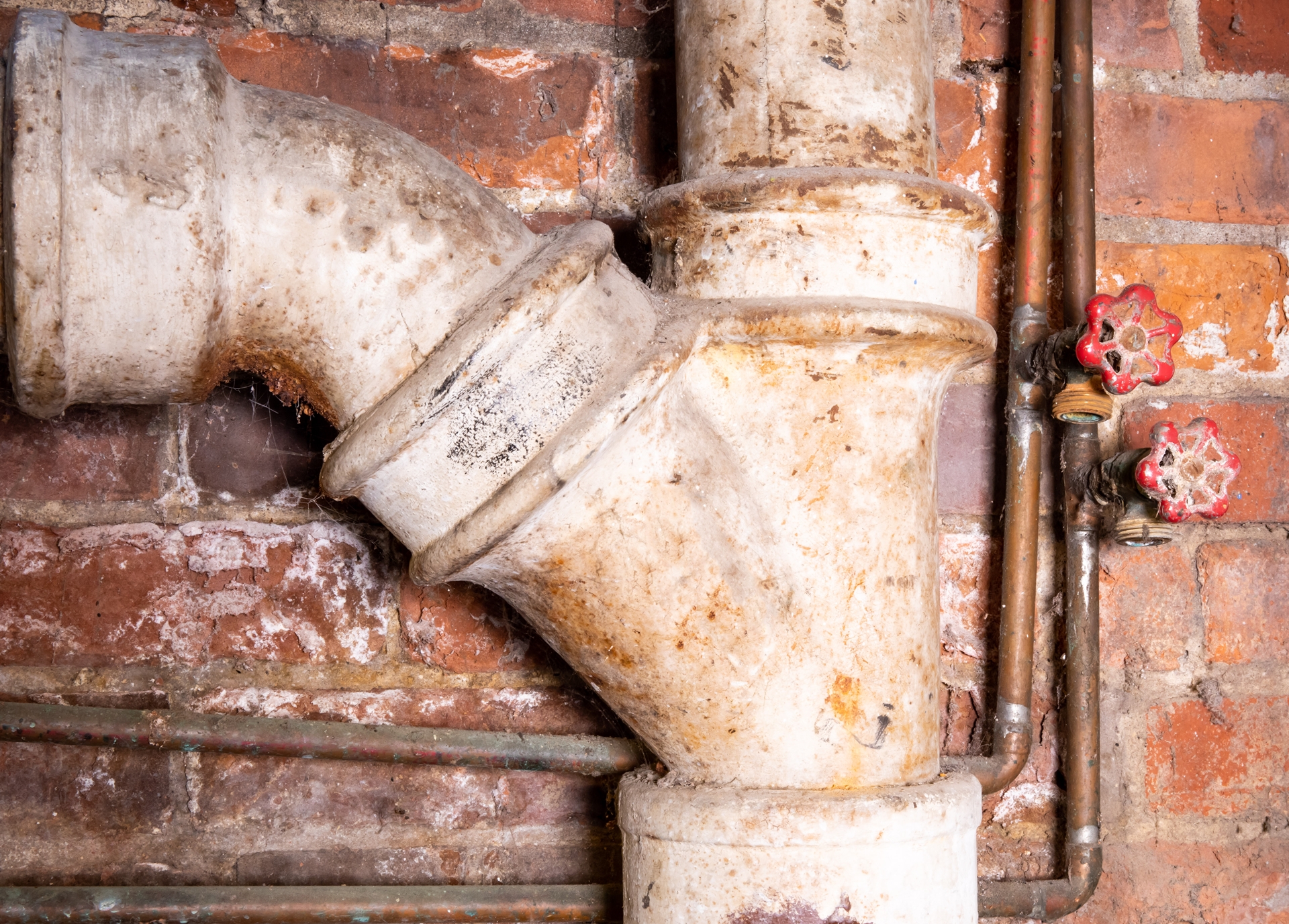
- Federal funding will support lead testing and reduction at schools and child care facilities.
- Seven Colorado River Basin states have combined allotments of $3.82 million.
- California has the largest allotment among the seven states at $2.271 million.
- Eligible work includes plumbing replacement and certified lead-reduction filters.
- Tribal funding allotments will be announced separately.
Friday, October 30, 2026 — A water test can identify lead in a school’s drinking water. Addressing the source of that lead takes additional work. A new round of federal funding will help states support both testing and repairs at schools and child care facilities.
On October 29, the U.S. Environmental Protection Agency announced roughly $26 million through its Reducing Lead Where Children Learn Grant Program. The agency’s accompanying memorandum lists the exact amount available as $26,197,000 for fiscal year 2026.
Lead is a toxic substance that harms the nervous system and is especially dangerous to children, according to the agency.
Funding Goes Beyond Water Testing.
The program supports voluntary efforts to test drinking water and reduce lead exposure where children learn and receive care.
Changes enacted through the Infrastructure Investment and Jobs Act in November 2021 expanded the program beyond testing. Eligible projects include replacing plumbing and installing filters certified to reduce lead at the point where water is used, such as a drinking water faucet.
The October 29 memorandum also identifies expanded eligibility for compliance monitoring, including monitoring required under the Lead and Copper Rule. The agency plans to provide states with additional guidance on those activities in fiscal year 2027.
Allocations for the Seven Basin States.
The memorandum lists the following statewide allotments for the seven Colorado River Basin states:
- Arizona: $505,000.
- California: $2,271,000.
- Colorado: $358,000.
- Nevada: $186,000.
- New Mexico: $185,000.
- Utah: $254,000.
- Wyoming: $61,000.
Together, the seven states have been allotted $3,820,000, or approximately 14.58 percent of the $26,197,000 available in this funding round. These are statewide allotments, rather than amounts designated specifically for facilities within the Colorado River watershed.
The announced allotments cover all 50 states, the District of Columbia and four territories. Funding designated for Tribal consortia serving schools and child care facilities will be addressed in a separate memorandum.
What Earlier Grants Have Supported.
According to the agency, the program has provided more than $300 million since 2018.
That funding has helped nearly 33,000 child care facilities and more than 18,000 schools test drinking water for lead. It has also advanced work addressing lead pipes or fixtures at more than 2,400 child care facilities and 4,200 schools.
The agency also offers its Training, Testing, and Taking Action program, which provides information and recommendations for developing voluntary lead-reduction programs.
States Must Apply for Their Allotments.
The listed amounts are funding allotments available to states. Grant recipients must work with the agency’s regional offices to carry out eligible projects.
The fiscal year 2026 allotments remain available through the end of the following fiscal year. Funds not awarded by that deadline will be redistributed to eligible states under the program’s allocation formula.