- Heavy rains in late October added measurable water to major reservoirs like Lake Powell.
- Some areas saw severe damage from flooded roads and communities last week.
- The extra water helps, but it does not fully solve the long-term drought.
- Experts note that these short-term gains do not change the big picture.
Friday, October 30, 2026 — Recent rainstorms brought heavy flooding to the American Southwest, dumping large amounts of water into the Colorado River basin. The floods added needed water to several major reservoirs, especially Lake Powell and Navajo Reservoir. However, the gains are uneven. While some lakes filled up a bit, others kept dropping. More importantly, this single weather event does not mean the Colorado River system is suddenly healthy again.
The heavy rains hit the Four Corners region between October 21 and October 23, 2026. A weather system pulled thick moisture into the area. This created sudden flash floods in small dry riverbeds and longer-lasting floods in the main rivers. The storm caused serious damage to local towns, while some of the region’s largest lakes remained mostly empty.
Where the Water Went.
To understand the storm, it is helpful to look at how much water ended up in the storage lakes. The agencies in charge measure water in “acre-feet,” which is a large volume of water roughly equal to what two or four households use in a year.
Between October 21 and October 28, 2026, Lake Powell gained 537,540 acre-feet of water. Navajo Reservoir gained 250,926 acre-feet. Lake Mead saw a much smaller bump of 81,000 acre-feet. Other lakes hardly benefited at all. Blue Mesa in Colorado gained a modest 12,256 acre-feet, while Flaming Gorge in Wyoming actually lost 16,312 acre-feet of water during the same period.
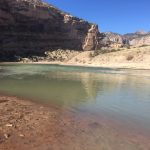
Lake Powell saw the most dramatic change. By October 29, the water level had risen nearly 10 feet. The lake was capturing a massive rush of incoming floodwater. However, even with this large boost, Lake Powell was still only a quarter full compared to its maximum capacity. In addition, some of the water flowing into Lake Powell came from upstream dams releasing water, not just fresh rain.
Lake Mead also rose slightly, but not simply because of the storms upstream. The dams above Lake Mead did not release extra water. Instead, the small rise came from local rain and reduced water releases out of Lake Mead itself. Meanwhile, smaller lakes further downstream, like Lake Mohave and Lake Havasu, actually lost water during the week.
Can These Floods Fix the River?
People naturally wonder if a big flood repairs the heavy strain on the Colorado River. The short answer is no. The storms improved the amount of stored water. However, keeping that water depends on future weather, evaporation, and how much water cities and farms pump out. Also, moving water from an upstream lake into Lake Powell does not magically create new water for the whole system.
The Bureau of Reclamation manages these water systems. The agency has not stated that this flooding repairs the strain on the river. In fact, on October 15, 2026, just before the storms hit, the Bureau of Reclamation issued a report projecting that Lake Powell will still need to operate under low-water rules in 2027. The agency expected to release between 6 million and 7 million acre-feet of water next year because of the ongoing shortage. The recent flood does not erase those long-term expectations.
The Damage Left Behind.
While the lakes caught some water, local communities caught the destruction. The human cost across the region was high.
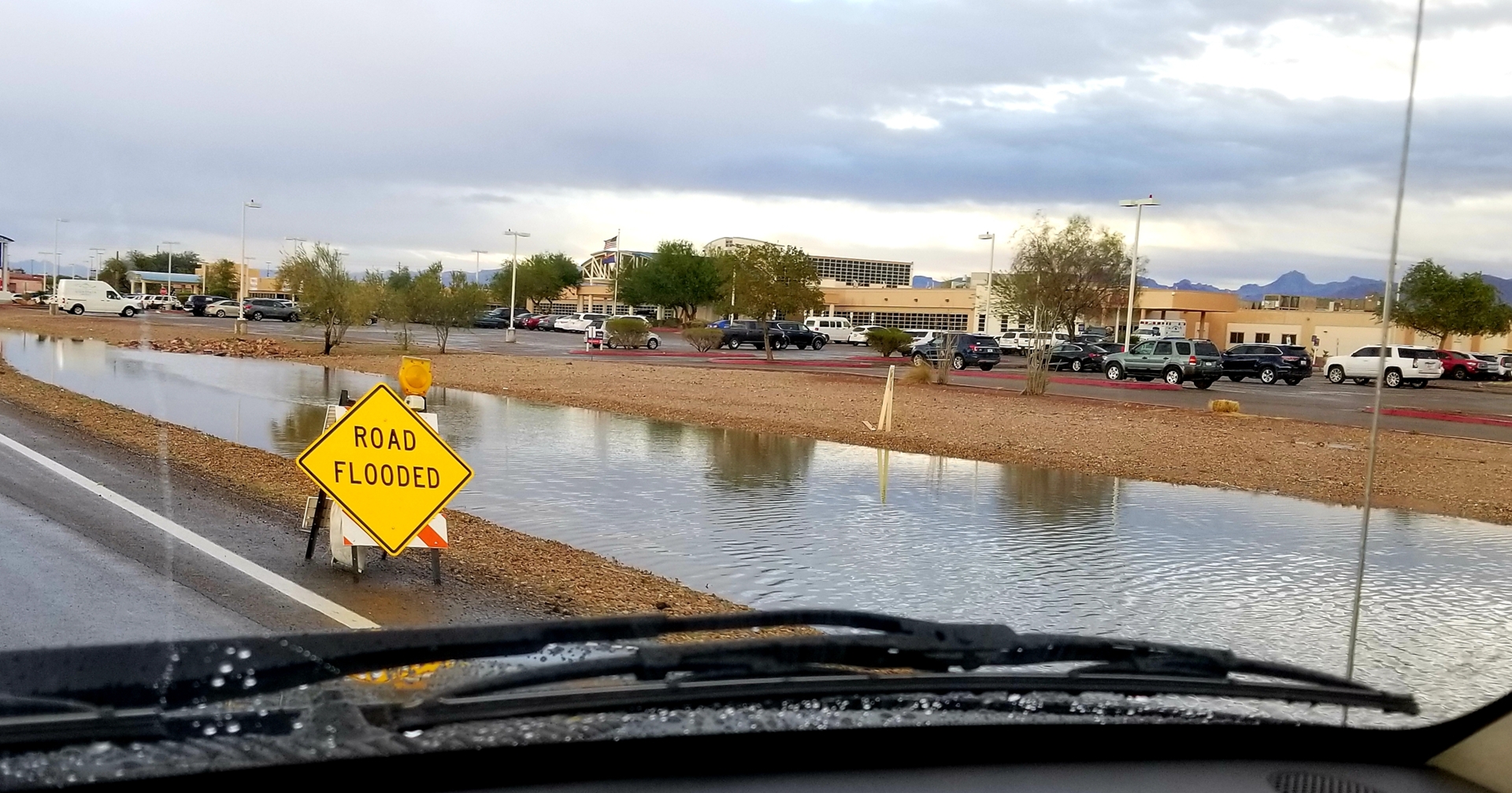
In Arizona, the storms washed out roads and forced families to leave their homes. On the Navajo Nation, families had to evacuate towns like Dennehotso. Power and water services failed in several communities. The muddy conditions made it hard for repair crews to reach broken equipment, leaving residents to organize their own rescue and supply efforts. Down in central Arizona, the heavy rain meant water managers had to shuffle water between the Horseshoe and Bartlett lakes, though this did not add new water to the main Colorado River supply.
Colorado also took a hard hit. On October 22, the state governor declared a disaster emergency for a dozen counties. The heavy rain, which reached seven inches in places like Pagosa Springs, washed out highways and destroyed culverts. The state estimated $65 million in damage to major roads alone, not counting the cost to private homes and businesses.
New Mexico faced major emergencies on its rivers. The San Juan River swelled to dangerous heights, causing hundreds of water rescues. The floodwater mixed with sewage when a water treatment plant in Bloomfield overflowed. The state governor requested federal help, estimating the total recovery cost could reach $300 million. Even though Navajo Reservoir captured a huge amount of water, it could not stop the flooding downstream.
In Utah, towns like Hurricane declared local emergencies after floodwaters damaged over 100 homes. People in RV parks had to flee as local creeks spilled over their banks. Mud and broken roads left some households completely trapped.
Wyoming largely missed the heavy storms. A water gauge near Green River, Wyoming, stayed far below flood levels, and Flaming Gorge Reservoir actually lost water last week. This proves that the storms did not blanket the entire western water system.
The weather remains a concern. Forecasts for late October warned that more rain could fall on ground that was already soaked. While the recent storms gave a quick drink to a thirsty river system, the western drought is far from over.
Citations
-
UC San Diego Center for Western Weather and Water Extremes: Event Summary 21–23 October 2026

-
Bureau of Reclamation: Individual Reservoir Tables and Lower Colorado Daily Reports
-
Bureau of Reclamation: Lower Colorado River Hourly Water Levels
-
Bureau of Reclamation: Glen Canyon Dam Operations Assessment
-
KNAU.org: Crews Work to Restore Power and Water in Dozens of Navajo Communities
-
State of Colorado: Governor’s Disaster Emergency Declaration
-
Colorado Department of Transportation: Federal Emergency Relief Request for SWCO Flood Damage
-
State of New Mexico: Feds Partially Grant Emergency Declaration for Northern NM Flooding
-
Texas Water Development Board: Elephant Butte Reservoir Storage Data
-
KSL.com: Hurricane Police Issue Evacuation Orders Due to Flooding
-
US Geological Survey: Water Data for the Nation (Green River, WY)
-
National Weather Service: Watches, Warnings or Advisories for Colorado and Utah