- Two organizations accuse California’s Department of Water Resources of violating state water laws.
- The lawsuit challenges water diversions from the Sacramento-San Joaquin Delta.
- Plaintiffs say the state promises more water than its system can reliably deliver.
- The complaint raises concerns about declining fish populations, farming, and water quality.
- The organizations want a court to require changes in how California manages water exports.
Friday, October 16, 2026 — California’s largest state-run water delivery system is facing a legal challenge over how much water it takes from the Sacramento-San Joaquin Delta and what those diversions mean for the people, farms, and wildlife that depend on it.
The California Water Impact Network and the Central Delta Water Agency announced the lawsuit  on October 9, 2026. Their complaint, filed in Alameda County Superior Court, accuses the California Department of Water Resources of violating the state Constitution and failing to protect waterways and natural resources held in trust for the public.
At the center of the dispute is a question that has troubled California water management for decades: How much water can be moved from Northern California to other parts of the state without causing unacceptable harm to the Delta?
The plaintiffs contend that the department has prioritized water deliveries over the Delta’s health, while encouraging demands for water it cannot reliably supply.
No court ruling has established the allegations.
Why the Sacramento-San Joaquin Delta Matters.
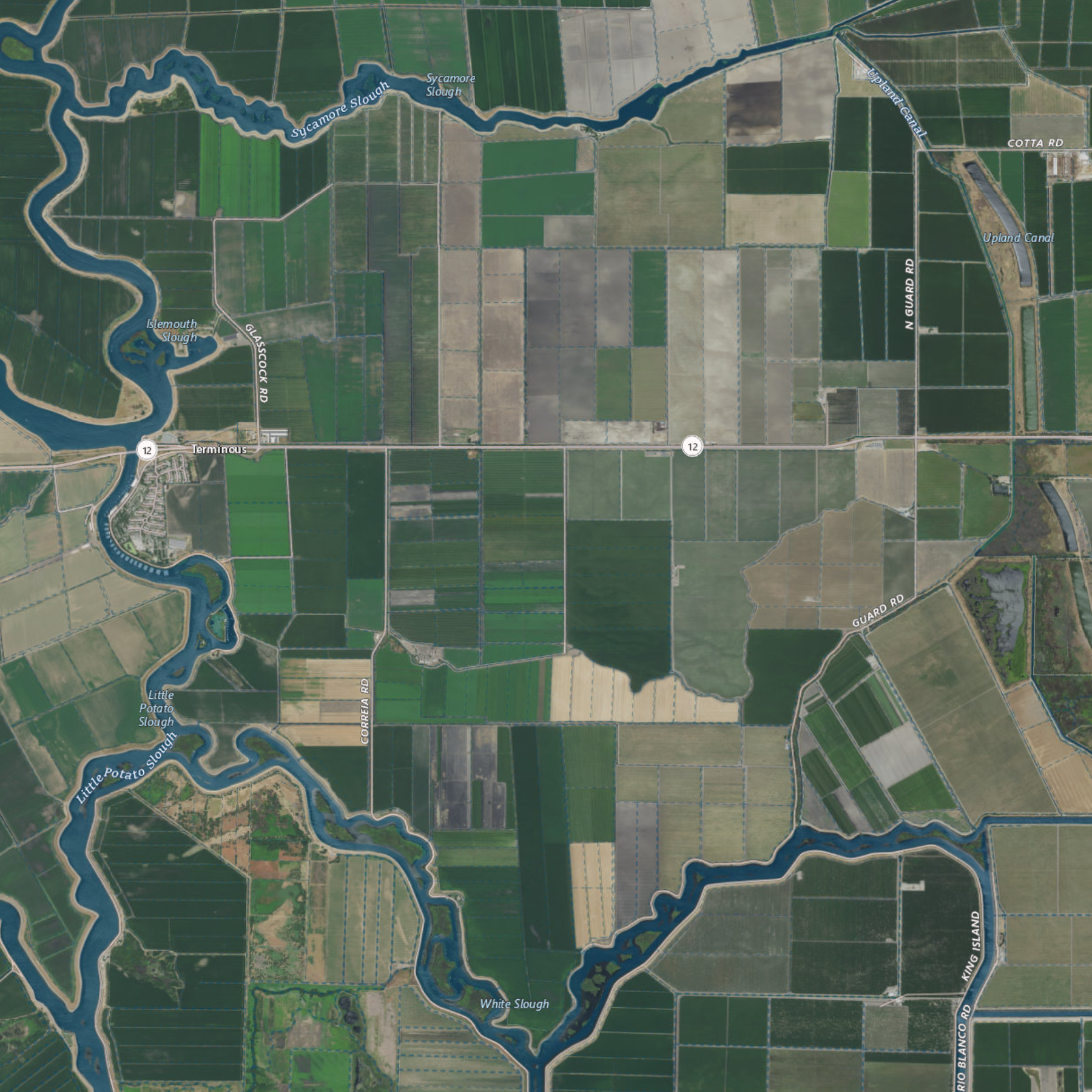
The Sacramento-San Joaquin Delta forms where California’s two largest rivers, the Sacramento and San Joaquin, meet.
Freshwater from these rivers flows through a network of waterways toward San Francisco Bay, where it mixes with saltwater from the Pacific Ocean.
The Delta supports farmland, communities, fishing, boating, recreation, and wildlife. It also plays a major role in California’s water supply.
Through the State Water Project, the Department of Water Resources captures water in Northern California and moves it through dams, pumping stations, canals, and other facilities.
Some of that water travels hundreds of miles to communities in Silicon Valley and Southern California, as well as agricultural operations in the San Joaquin Valley.
But the Delta is more than a place to collect water for delivery elsewhere.
Its freshwater flows help maintain water quality, limit the movement of salt water inland, and support fish and other wildlife.
The lawsuit argues that diverting too much of that water has damaged the Delta’s natural systems and the communities that rely on them.
Water Promises That Exceed Reliable Supplies.
One of the lawsuit’s central complaints concerns the difference between the amount of water California has contracted to deliver and the amount the State Water Project can dependably provide.
According to the plaintiffs, State Water Project contracts contain allocations totaling approximately 4.17 million acre-feet annually.
An acre-foot is enough water to cover one acre of land to a depth of one foot.
However, the complaint cites Department of Water Resources data showing the project can reliably deliver an average of about 2.24 million acre-feet annually.
That is about 54% of the amount listed in the contracts.
The lawsuit also points to severe shortages during dry years. In 1977, for example, the complaint reports that the project’s delivery capability fell to between 186,000 and 233,000 acre-feet.
The plaintiffs argue that this difference between contracted amounts and dependable supplies encourages agricultural and urban development that depends on water deliveries the system cannot consistently provide.
They particularly question the use of imported water to support permanent crops, including nut trees, in dry areas of California.
Unlike crops that can be planted or left unplanted each season, permanent orchards require continuing care and water to keep their trees alive.
The complaint also links unreliable surface water deliveries to increased groundwater pumping, which can contribute to land subsidence, or the gradual sinking of the ground.
These claims form part of the plaintiffs’ argument that the department’s water management practices are unreasonable under California law.
Two California Water Laws at the Center of the Case.
The lawsuit relies heavily on two legal principles: California’s constitutional prohibition against unreasonable water use and the Public Trust Doctrine.
California Constitution, Article X, Section 2:
California’s Constitution requires water to be used reasonably and for beneficial purposes.
It also prohibits wasteful or unreasonable methods of using or diverting water.
The plaintiffs argue that the Department of Water Resources violates this provision by diverting water in quantities that damage the Delta while supporting demands that cannot be reliably met.
The complaint also questions whether the department adequately tracks how exported water is ultimately used.
According to the lawsuit, the department does not sufficiently document where all delivered water goes, how much is used, or whether those uses meet the state’s legal requirements.
The Public Trust Doctrine:
The Public Trust Doctrine is a longstanding legal principle requiring California to protect certain natural resources for public benefit.
These resources include waterways, fisheries, wildlife habitat, and recreational opportunities.
Under this principle, state agencies have responsibilities that extend beyond supplying water to farms and cities.
The plaintiffs argue that the Department of Water Resources has failed to meet those responsibilities by allowing harm to the Delta ecosystem.
The complaint also cites California court decisions recognizing that water management decisions must consider protecting public resources.
Importantly, whether a particular water use is unreasonable depends on the circumstances. The lawsuit asks the court to apply those legal standards to the department’s operation of the State Water Project.
Concerns About Fish, Farming, and Water Quality.
The lawsuit describes serious concerns about the condition of the Delta ecosystem.
The complaint identifies winter-run and spring-run Chinook salmon, Delta smelt, longfin smelt, Central Valley steelhead, and two species of sturgeon.
The plaintiffs contend that reduced freshwater flows have contributed to the decline of these species.
Freshwater flows also help prevent salt water from moving farther inland, a process known as saltwater intrusion.
When less freshwater moves through the Delta, the complaint argues, water quality can suffer, affecting farms, communities, and wildlife.
Brett Baker, an attorney for the Central Delta Water Agency, said the department’s actions have harmed farming families, recreational users, fish, wildlife, and the people who come into contact with Delta waters.
The Central Delta Water Agency represents about 120,000 acres in San Joaquin County. Much of that land is agricultural, but it also includes marinas, recreation facilities, wildlife habitat, and residential development.
The lawsuit argues that these local interests have not received adequate consideration when the state decides how much water to export.
Environmental Groups Call for Accountability.
In announcing the lawsuit, California Water Impact Network Executive Director Carolee Krieger criticized the state’s record of enforcing its water laws.
“For far too long laws prohibiting wasteful and unreasonable use of water and mandating protection of our environment have been ignored,” Krieger said.
Max Gomberg, the organization’s senior policy advisor and board secretary, also criticized the department’s management of water exports.
“For decades DWR has operated the SWP to maximize diversions at the expense of Tribes, Delta communities, freshwater ecosystems and ratepayers,” Gomberg said.
The organizations argue that allowing more freshwater to remain in the Delta would help restore damaged habitats and improve conditions for local water users.
They also contend that California’s existing water policies have encouraged excessive dependence on water imported from the Delta.
The complaint points to the Sacramento-San Joaquin Delta Reform Act of 2009, which established a state policy of reducing reliance on the Delta through conservation, water recycling, improved regional supplies, and more efficient water use.
What the Lawsuit Asks the Court to Do.
The plaintiffs are seeking more than a ruling that the Department of Water Resources violated state law.
They want court orders that would change how the State Water Project operates.
Among their requests are:
-
Greater water accounting. The department would be required to publicly document water diversions, deliveries, storage, ultimate uses, and losses.
-
Limits on diversions. The court would establish an interim limit on the percentage of natural river flow that could be diverted while a longer-term plan is developed.
-
A long-term water export plan. The department would develop a plan addressing its legal duties to protect public resources and prevent unreasonable water use.
-
Review of unreliable supplies. The department would identify uses that cannot be reliably supplied during drought years and notify affected parties.
-
Continued court oversight. The court would retain authority to review compliance with its orders.
The complaint also requests a jury trial on questions involving reasonable water use and diversion.
These are remedies requested by the plaintiffs. The court has not determined whether to grant them.
A Dispute That Extends Beyond the Delta.
The lawsuit also addresses California’s proposed Delta tunnel, a separate project intended to change how water is moved through the region.
The plaintiffs argue that existing water diversions require legal remedies regardless of whether the tunnel proceeds.
Their complaint focuses on the operation of the State Water Project itself, rather than limiting the dispute to any single proposed facility.
The lawsuit raises questions about the department’s legal responsibilities, the reliability of contracted water supplies, and the protection of natural resources.
The Department of Water Resources’ response to the allegations was not included in the two source documents.
For now, the claims remain allegations presented by the California Water Impact Network and the Central Delta Water Agency. The court will determine whether the department violated its legal duties and whether changes to State Water Project operations are required.