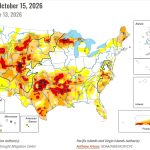
Saturday, November 14, 2026 — Record-setting autumn precipitation has delivered a substantial boost to reservoirs across portions of the Colorado River Basin, raising water levels at Lake Powell, Navajo Reservoir, Lake Mead and several smaller reservoirs. However, the gains have not eliminated the Basin’s long-term water shortages.
Unusually heavy rain and mountain snow beginning in October have produced significant runoff across the Southwest. Some reservoirs have gained water at rates rarely seen during the autumn months, while others remain far below normal levels or continue releasing stored water to support downstream operations.
With additional rain and snow occurring across portions of the region, the November 13 reservoir measurements represent a snapshot rather than the final results of the storm season.
Key findings:
-
Lake Powell climbed to 3,539.78 feet on November 13, gaining nearly 20 feet since October 15 and storing approximately 1.19 million additional acre-feet.
-
Navajo Reservoir rose nearly 49 feet between October 21 and November 12, with Reclamation reporting record precipitation and unusually high inflows.
-
Lake Mead rose above 1,040 feet, but remained only about 27 percent full.
-
Blue Mesa Reservoir gained water in Colorado, although storage remained near 22 percent of capacity.
-
Flaming Gorge Reservoir continued declining as additional water was released to support Lake Powell.
-
Additional precipitation and snow accumulation could influence reservoir conditions in the weeks and months ahead, depending on where it falls, runoff, releases and water-management decisions.
Lake Powell Gains More Than One Million Acre-Feet.
According to the U.S. Bureau of Reclamation, Lake Powell stood at an elevation of 3,519.79 feet on October 15, holding approximately 5.25 million acre-feet.
By November 13, its elevation had increased to 3,539.78 feet, with storage reaching 6.44 million acre-feet.
That represents an increase of approximately 1.19 million acre-feet, or nearly 20 feet in elevation, in less than a month.
The greatest increases followed late October and early November storms. On November 4, Reclamation reported approximately 53,324 cubic feet per second flowing into Lake Powell, compared with releases of about 6,664 cubic feet per second.
Inflow had declined to approximately 11,700 cubic feet per second by November 13, but continued exceeding releases of approximately 6,601 cubic feet per second.
Despite the improvement, Lake Powell remained only about 28 percent full.
Its November 13 elevation was approximately 50 feet above the 3,490-foot minimum power pool reference elevation, an important threshold for Glen Canyon Dam’s hydropower operations.
The recent gains provide additional water storage and operational flexibility, but they do not resolve the longer-term imbalance between Colorado River water supplies and demands.
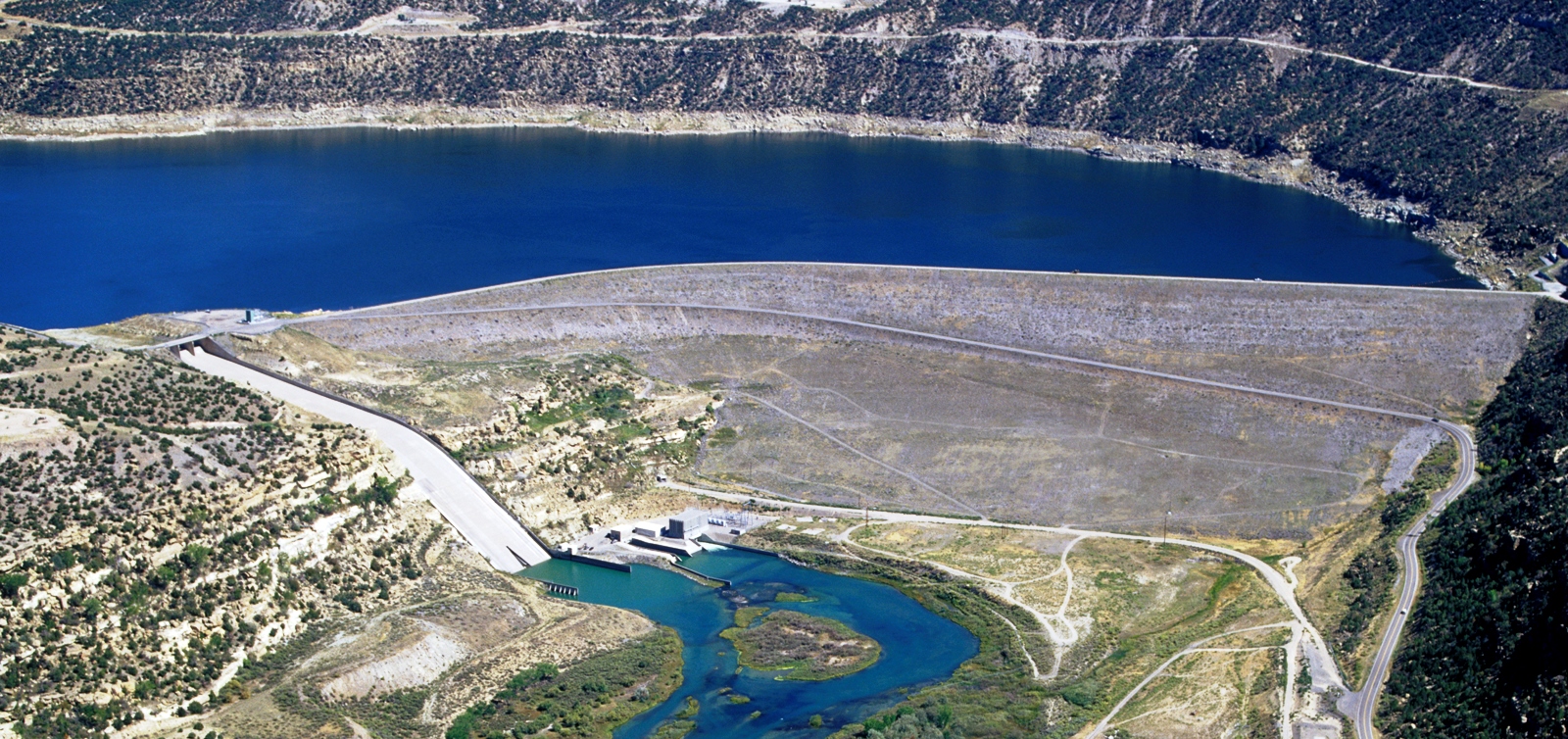
 – Bureau of Reclamation
Navajo Reservoir Rises Nearly 50 Feet.
Reclamation reported that the reservoir stood at 6,021.95 feet on October 21.
By November 13, its elevation had reached 6,071.55 feet, a gain of approximately 49.6 feet.
Storage reached approximately 1.45 million acre-feet, representing roughly 87 percent of live storage capacity.
Much of the increase occurred when storms generated unusually high runoff into the San Juan River system.
Reclamation reported that October’s modified unregulated inflow totaled approximately 418,000 acre-feet, or 1,088 percent of the month’s average.
The reservoir gained approximately 331,000 acre-feet in net storage during October alone.
Although inflows had begun to decline by November 12, approximately 2,970 cubic feet per second continued entering Navajo Reservoir, compared with releases of only 270 cubic feet per second.
Reclamation anticipated further increases, projecting a reservoir elevation near 6,072 feet during the week of November 15.
The increased storage benefits water management in the San Juan River Basin, including operations supporting irrigation, municipal water supplies, and endangered fish recovery programs.
However, releases remain constrained by downstream river conditions, and Reclamation reported that Navajo Dam releases were being maintained below normal baseline levels because of limited river channel capacity.
Blue Mesa Reservoir Improves but Remains Low.
Blue Mesa Reservoir, Colorado’s largest reservoir, also benefited from increased runoff.
On October 15, Reclamation recorded approximately 140,000 acre-feet of stored water.
By November 13, storage had increased to 179,095 acre-feet, with a water surface elevation of 7,422.46 feet.
That represents an increase of approximately 39,000 acre-feet, although the reservoir remained only about 22 percent full.
Reclamation reported that October inflows into Blue Mesa totaled approximately 54,000 acre-feet, or 147 percent of average.
Nevertheless, the Gunnison River Basin continues to face significant drought-related challenges.
In its November 5 operations update, Reclamation projected Blue Mesa would end water year 2027 with approximately 350,000 acre-feet of storage, or 42 percent of live capacity, under its current operating assumptions.
The agency also reported reducing baseflow targets at Whitewater to 500 cubic feet per second in coordination with the U.S. Fish and Wildlife Service. The adjustment was intended to conserve reservoir storage while maintaining downstream flows.
The additional autumn water improves the reservoir’s immediate position, but Blue Mesa remains substantially depleted.
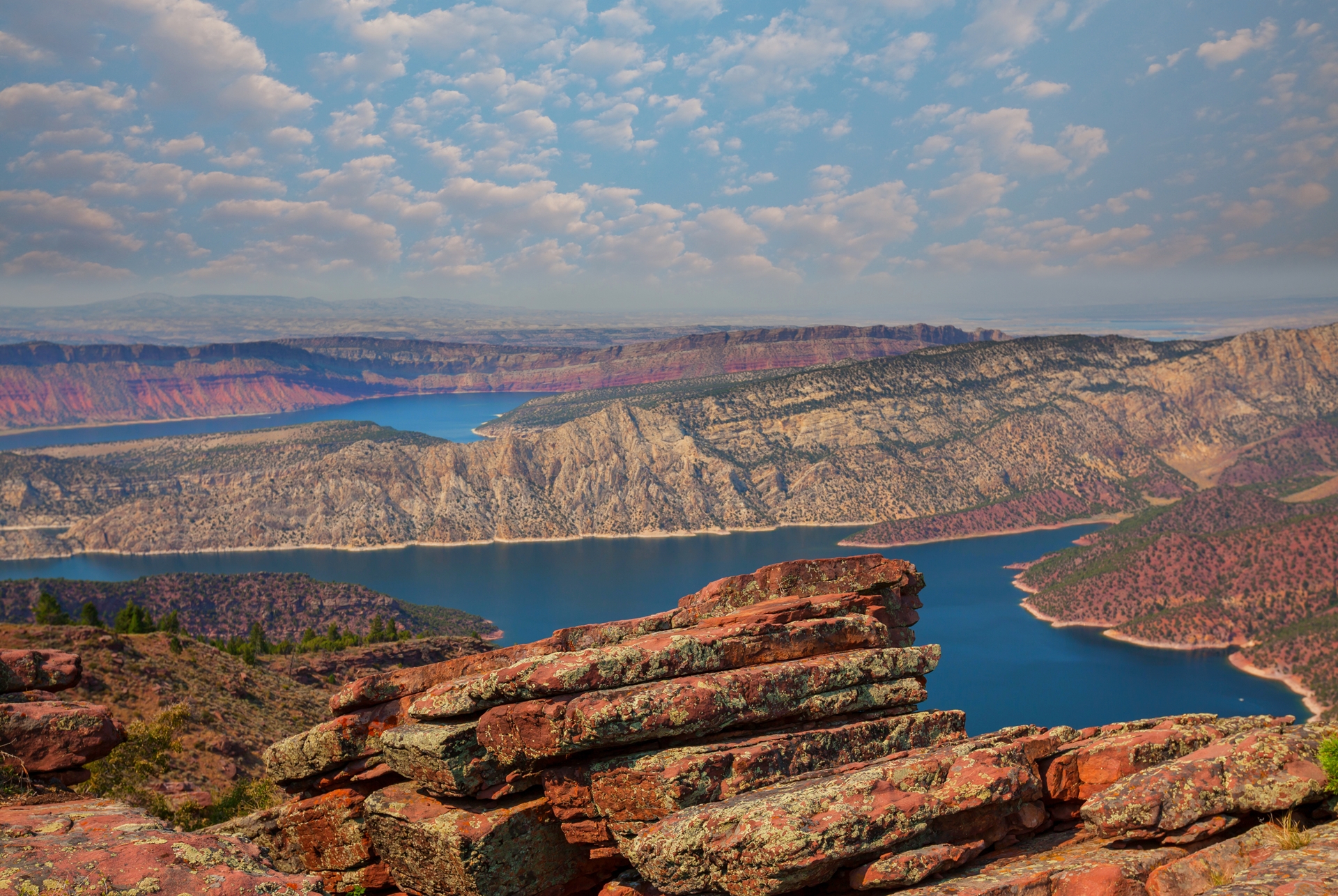
Flaming Gorge Continues Releasing Water.
Unlike several other large Upper Basin reservoirs, Flaming Gorge Reservoir in Wyoming and Utah has continued losing stored water.
On November 12, Flaming Gorge stood at 6,003.77 feet, holding approximately 2.39 million acre-feet.
The reservoir was approximately 64 to 65 percent full, depending on the storage-capacity measure used.
Its declining water level is connected to ongoing drought-response operations intended to help maintain Lake Powell above critical elevations.
Reclamation has planned between 660,000 and 1 million acre-feet of additional deliveries from Flaming Gorge to Lake Powell through April 2027.
When those supplemental releases began, Flaming Gorge held approximately 3.01 million acre-feet and was about 82 percent full, according to Reclamation.
On November 12, calculated inflows into Flaming Gorge averaged approximately 825 cubic feet per second, while releases averaged 2,186 cubic feet per second.
The difference illustrates why increased regional precipitation does not necessarily raise every reservoir simultaneously. Storage is also influenced by decisions about when and where water must be released.
Lake Mead Rises, but Shortage Conditions Persist.
On November 1, Lake Mead stood at 1,038.93 feet.
By November 13, Reclamation reported an elevation of 1,040.86 feet, an increase of approximately 1.9 feet in less than two weeks.
The reservoir held approximately 7 million acre-feet, or about 27 percent of capacity.
Although the rise provides some additional storage, Lake Mead remains below the 1,075-foot elevation associated with the first shortage tier and below the 1,050-foot threshold used in more severe shortage planning.
The reservoir’s increase must also be distinguished from Lake Powell’s rise.
Water entering Lake Powell does not immediately increase Lake Mead’s storage. It must first pass through Glen Canyon Dam, travel downstream and enter Lake Mead. Scheduled releases, local inflows, evaporation, withdrawals and releases from Hoover Dam all influence the reservoir’s water level.
The recent rise at Lake Mead therefore cannot be attributed entirely to the storms in the Upper Basin.
Even with its latest improvement, Lake Mead remains a central concern in Colorado River water management because it supports deliveries to Arizona, California, Nevada and Mexico.
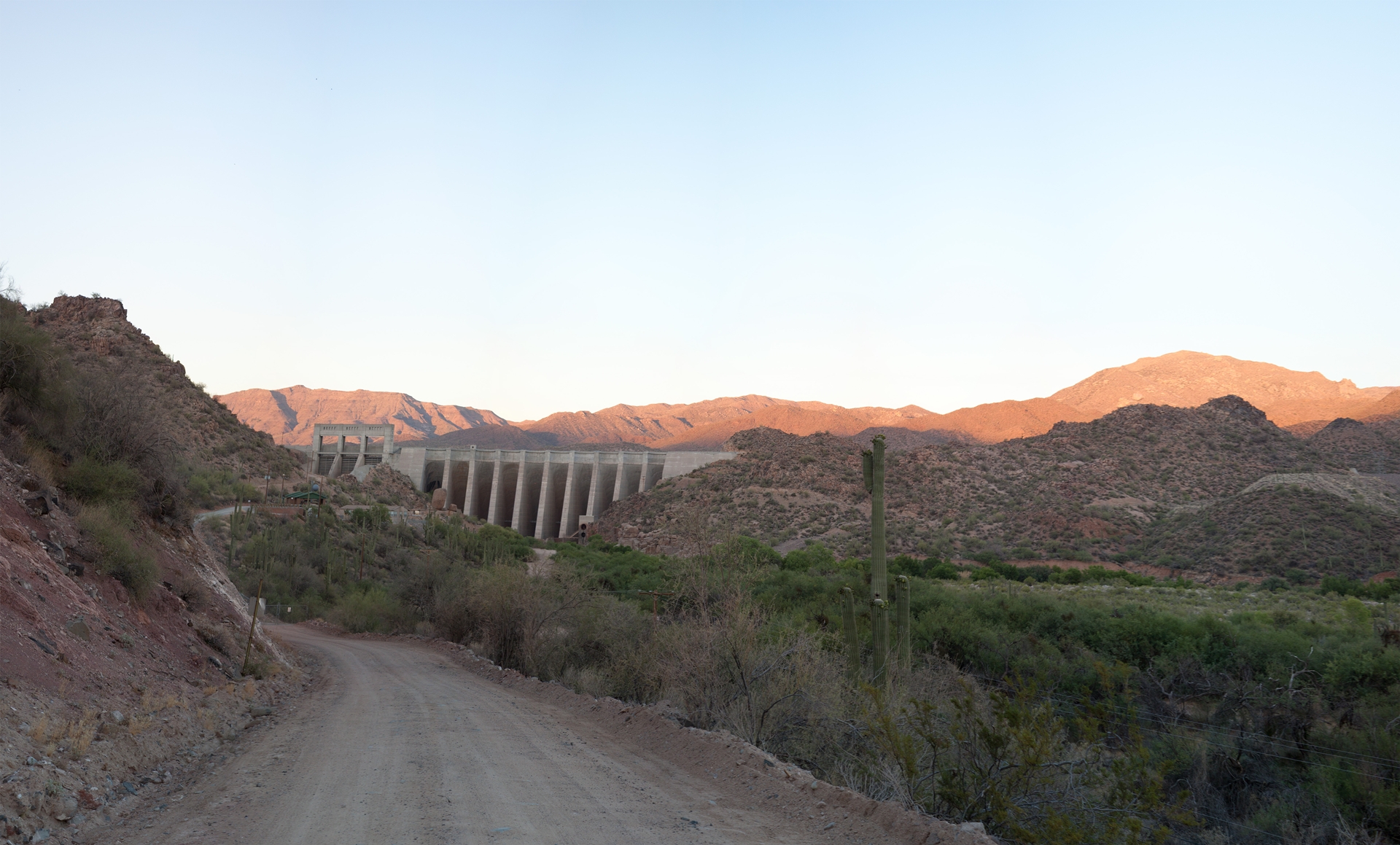
 is a concrete multiple-arch buttress dam on the Verde River, northeast of Phoenix, AZ. It was built between 1936 – 1939 and was upgraded between 1994 – 1996. Alan Stark, June 2021. Licensed under the Creative Commons Attribution-Share Alike 2.0 Generic license.
Arizona’s Salt and Verde Reservoirs Capture 120 Billion Gallons.
Salt River Project reported on November 6 that heavy storms had delivered approximately 370,000 acre-feet, or 120 billion gallons, of additional water to its Salt and Verde River reservoir system.
That raised combined reservoir storage from 53 percent full on November 1 to 70 percent full on November 6.
At the height of the runoff event, estimated inflows into the Verde River reached approximately 94,000 cubic feet per second.
Combined inflows into Roosevelt Lake peaked near 145,000 cubic feet per second.
Those flows followed several consecutive years of below-normal runoff and represented an unusually large autumn event.
A November 12 Arizona surface-water summary placed the Salt River reservoirs at 69 percent full and the Verde River reservoirs at 87 percent full, with the combined system at approximately 71 percent.
The increased storage provides an important improvement in surface-water supplies serving the Phoenix metropolitan area.
However, the Salt and Verde rivers are not tributaries of the Colorado River. Their reservoirs are part of Arizona’s separate central Arizona water-supply system and should not be included when calculating Colorado River Basin reservoir storage.
Smaller Reservoirs Also Benefit from Autumn Storms.
The storms’ effects extend beyond the large federal reservoirs.
In northern Arizona, Upper Lake Mary near Flagstaff experienced substantial gains during the late October and early November precipitation events. Earlier reporting placed the reservoir at 25.94 percent full on October 29.
Subsequent local reports described a rapid increase in storage, with some estimates suggesting several billion gallons of additional water.
However, a current, comparable official storage measurement was not available for independent confirmation in this review. Those estimates should not be treated as verified November 14 reservoir conditions.
Show Low Lake and other smaller reservoirs in eastern Arizona also received substantial runoff, according to reports reviewed during the November water-news coverage. Updated official storage measurements are needed before their gains can be quantified.
These smaller reservoirs have different purposes and operating requirements. Some supply municipal drinking water, while others support irrigation, recreation, fisheries or local water storage.
Their responses to storms can differ sharply from those of large federal reservoirs. A smaller reservoir may fill quickly or require releases, while a much larger reservoir in another watershed continues to struggle with low storage.
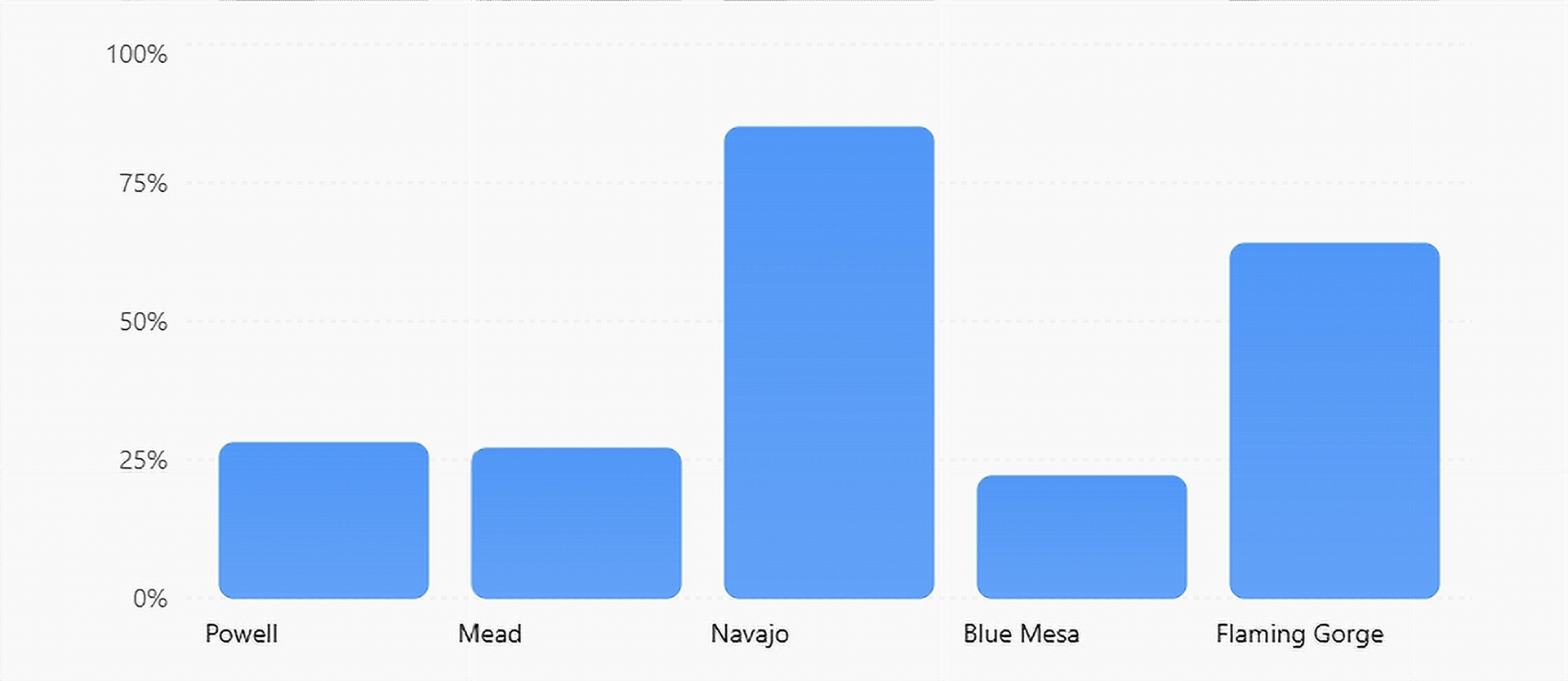
Current Reservoir Storage Across the Basin
The following figures summarize selected major federal reservoirs using the latest comparable information available for November 12–13, 2026.
| Reservoir | Storage | Approx. full | Observation date |
|---|---|---|---|
| Lake Powell | 6.44 million AF | 28% | Nov. 13 |
| Lake Mead | 7.05 million AF | 27% | Nov. 13 |
| Navajo | 1.45 million AF | 85% total / 87% live | Nov. 13 |
| Blue Mesa | 179,095 AF | 22% | Nov. 13 |
| Flaming Gorge | 2.39 million AF | 64–65% | Nov. 12 |
AF means acre-feet. Values are rounded where indicated. Percentages are not always calculated using identical definitions of reservoir capacity. Bureau of Reclamation daily measurements are provisional and subject to revision.
Rain and Snow Could Bring Additional Changes.
The arrival of additional rain and mountain snow adds another variable to the reservoir outlook.
Rain falling on saturated ground can move into streams and reservoirs relatively quickly. Snow accumulating in the mountains behaves differently, storing water that may not reach rivers until temperatures rise and snowmelt begins.
As a result, not all precipitation immediately increases reservoir storage.
Future storage changes will depend on several factors, including where precipitation occurs, how much falls as rain or snow, soil moisture, evaporation, downstream water demand, and reservoir release decisions.
The distinction is particularly important in the Upper Colorado River Basin, where winter mountain snowpack provides much of the runoff that ultimately reaches Lake Powell.
Early-season precipitation totals are encouraging, but they do not establish how much water will be available during the following spring and summer.
What the Reservoir Gains Mean for the Colorado River.
The autumn storms have produced measurable improvements in several major reservoirs, particularly Lake Powell and Navajo Reservoir.
They have also increased storage in Arizona reservoirs that serve communities outside the Colorado River’s main river system.
Nevertheless, the broader Colorado River shortage remains unresolved.
The California Colorado River Board’s November 12 meeting materials reported total Colorado River system storage of approximately 19.25 million acre-feet on November 1, or 33 percent of capacity. That was approximately 2.65 million acre-feet less than the amount stored at the same time in 2025.
Although several reservoirs have continued rising since November 1, those increases must be considered against the system’s much larger long-term storage deficits.
The autumn storms demonstrate how quickly reservoir conditions can change when substantial precipitation reaches the right watersheds. They also underscore the importance of distinguishing a short-term recovery from a sustained improvement in water supplies.
With additional rain and snow possible, reservoir levels may continue changing throughout November.
For now, the increase in stored water is significant, but the Colorado River Basin remains far from a full recovery.
Sources and Full Citation URLs:
The following sources were used in this article:
U.S. Bureau of Reclamation.
1. Lake Powell, daily elevation, storage, inflows and releases:
https://www.usbr.gov/rsvrWater/rsv40Day.html?siteid=919&reservoirtype=Reservoir
2. Navajo Reservoir, daily readings:
https://www.usbr.gov/rsvrWater/rsv40Day.html?siteid=920&reservoirtype=Reservoir
3. Navajo Reservoir, operating conditions and forecasts:
https://www.usbr.gov/uc/water/crsp/cs/nvd.html
4. Blue Mesa Reservoir, daily readings:
https://www.usbr.gov/rsvrWater/rsv40Day.html?siteid=913&reservoirtype=Reservoir
5. Aspinall Unit, Blue Mesa operations:
https://www.usbr.gov/uc/water/crsp/cs/asp.html
6. Flaming Gorge Reservoir, daily readings:
https://www.usbr.gov/rsvrWater/rsv40Day.html?siteid=917&reservoirtype=Reservoir
7. Flaming Gorge operations and drought-response releases:
https://www.usbr.gov/uc/water/crsp/cs/fgd.html
8. Lower Colorado River operations, Lake Mead, Lake Mohave and Lake Havasu:
https://www.usbr.gov/lc/region/g4000/hourly/levels.html
9. Colorado River weekly reservoir and water-supply report:
https://www.usbr.gov/lc/region/g4000/weekly.pdf
State agencies and water providers.
10. California Colorado River Board, November 12, 2026 meeting packet:
https://crb.ca.gov/wp-content/uploads/2026/11/20261112-board-packet.pdf
11. Arizona Department of Water Resources, Colorado River Dashboard:
https://www.azwater.gov/crm/dashboard
12. Salt River Project, November 6, 2026, historic runoff and reservoir storage announcement:
https://media.srpnet.com/srps-reservoir-system-captures-about-120-billion-gallons-of-water-during-historic-runoff-event/
Additional water-supply comparison,
13. Montgomery & Associates, November 12, 2026, Arizona Surface Water Status:
https://elmontgomery.com/az-surface-water-status/status-of-arizona-surface-water-supplies-november-2026/