- Central Arizona Project directors rejected a proposed cloud seeding funding agreement on November 5.
- The proposal covered precipitation enhancement programs in Colorado, Utah and Wyoming.
- Arizona could have contributed up to $525,000 during the 2027 water year.
- The failed motion called for an Arizona coalition to share costs, data, and analysis.
- A new cloud seeding study found measurable changes in precipitation inside winter clouds.
Friday, November 13, 2026 — The Central Arizona Project (CAP) governing board rejected a proposed agreement to help fund cloud seeding programs in the Upper Colorado River Basin during its November 5, 2026, meeting .
The motion failed on a weighted vote of 5.83 to 7.42, with six board members supporting the proposal and eight opposing it.
The agreement would have supported cloud seeding activities in Colorado, Utah and Wyoming, where winter storms provide opportunities to increase mountain snowpack.
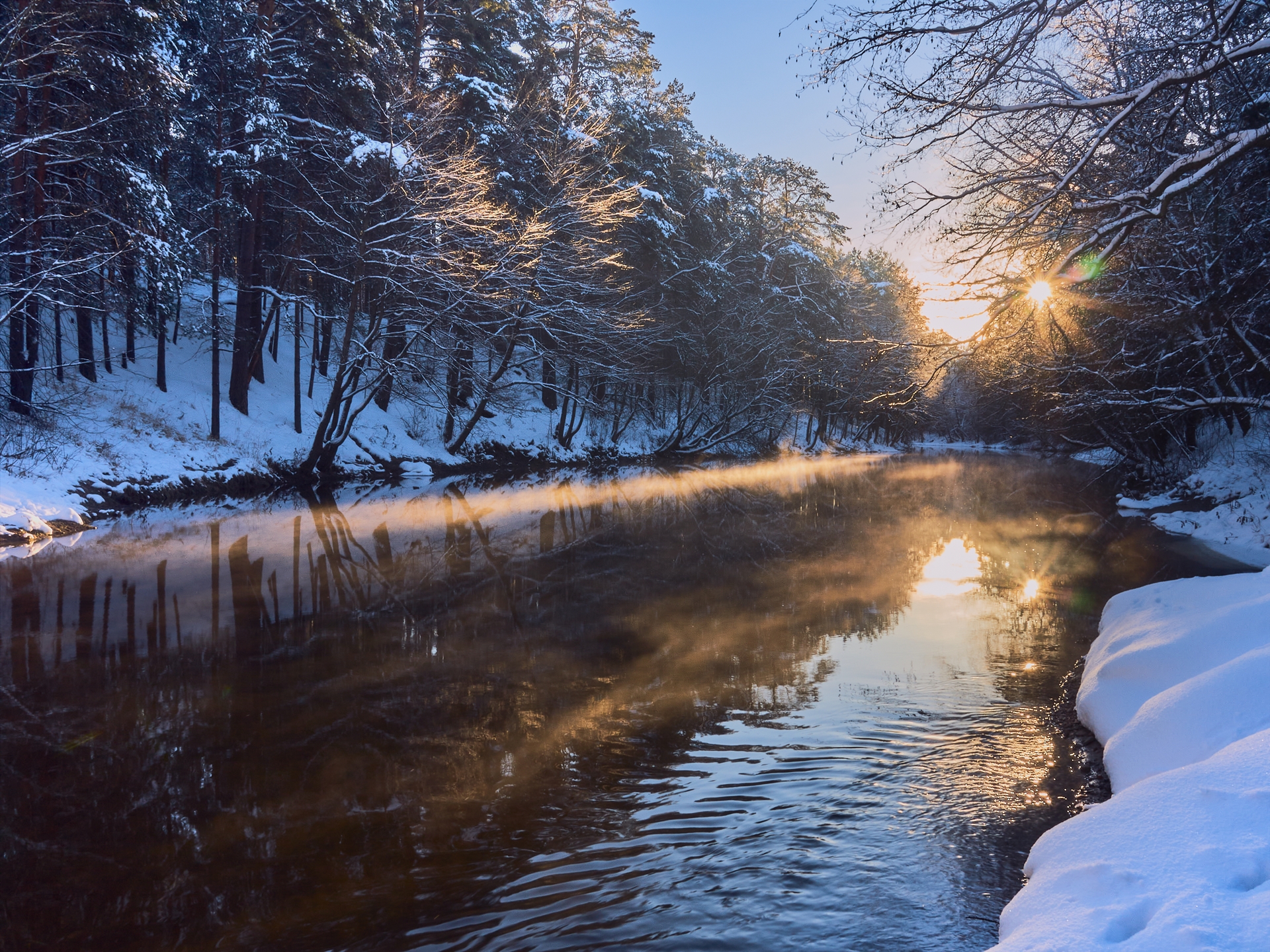
Cloud seeding involves releasing substances such as silver iodide into suitable clouds to encourage ice crystals to form and potentially produce additional snowfall.
What the Agreement Proposed.
The proposed ten-year agreement would have continued cooperative funding arrangements involving water agencies in Arizona, California and Nevada, along with Upper Basin states.
Under the proposal, each participating Lower Basin funding organization could contribute up to $525,000 in the 2027 water year. Annual maximum contributions would gradually increase to $750,000 by 2036.
The agreement generally called for costs to be shared equally between participating funding organizations and Upper Basin contributors.
Board Secretary Karen Cesare proposed making Arizona’s participation contingent upon forming an Arizona Precipitation Enhancement Coalition to share costs, data, and analysis.
The motion also required staff to report on precipitation enhancement activities in June 2028, when directors would consider continued participation beyond that year.
Neither the agreement nor those conditions received board approval.
New Research Shows Measurable Cloud Changes.
The CAP vote coincided with new research into cloud seeding effectiveness.
A November 5 study published in the scientific journal Atmosphere examined drone-based cloud seeding operations in Oregon, Idaho and Utah during the winter of 2025–2026.
Researchers identified 71 radar-detected precipitation patterns associated with cloud seeding.
The study estimated 430.44 acre-feet of water equivalent within those patterns.
However, researchers cautioned that the measurements did not establish how much additional snow or rain actually reached the ground.
The findings showed measurable changes in clouds but left questions about the amount of usable water produced.