
- The Bureau of Land Management has permanently scrapped a 2024 conservation rule that supporters said protected ecosystems and critics said strangled ranching and energy development.
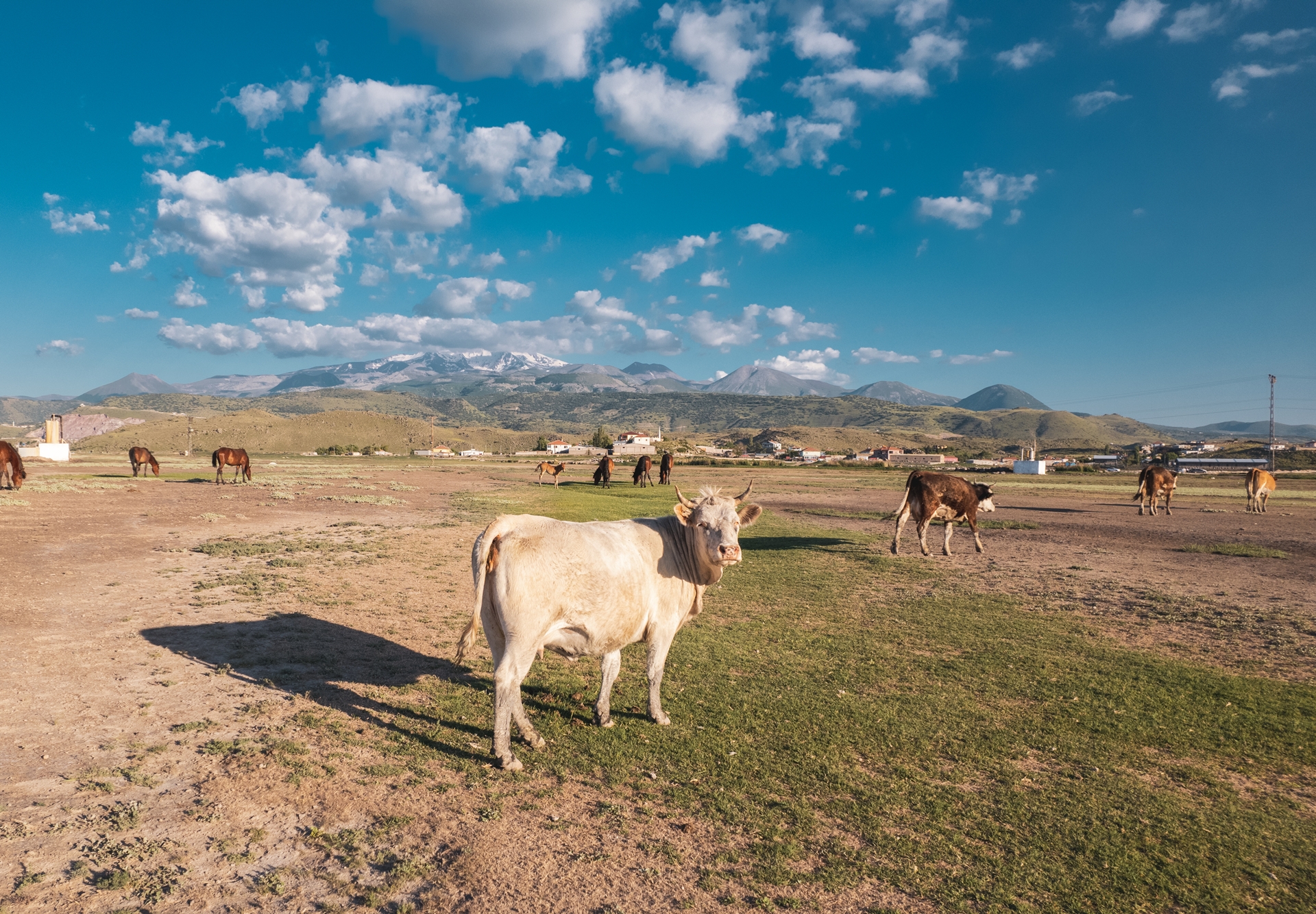
- A separate proposed rule would give ranchers more flexibility to manage livestock on federal public lands for the first time since 1995.
- More than 138,000 public comments poured in on the now-rescinded conservation rule, reflecting a deep and lasting divide over how the West’s public lands should be managed.
- The rescission of the 2024 rule took effect on June 11, 2026, the same day a public information session on the new proposed grazing rule is scheduled to be held.
- Ranchers, conservationists, tribal advocates, and small business owners all weighed in, and their competing concerns are shaping what comes next.
Wednesday, June 3, 2026 — Across the American West, roughly 245 million acres of public land are managed by the federal Bureau of Land Management. That is about one-tenth of the entire land area of the United States. For decades, the rules governing how those lands are grazed, mined, conserved, and used have been a source of tension among ranchers, environmentalists, tribal nations, and rural communities. In the span of just a few weeks in late May and early June 2026, two major regulatory moves have shifted that landscape considerably.
On May 12, 2026, the Bureau of Land Management published a final rule in the Federal Register that permanently eliminated what was known as the Conservation and Landscape Health Rule, a regulation that the previous administration had finalized in May 2024. Separately, on June 1, 2026, the Department of the Interior announced a proposed rule that would update how livestock grazing is managed on those same public lands, something that has not been done in any substantial way since 1995.
Together, the two actions represent the most significant reshaping of federal public land management in recent memory.
What Was the 2024 Conservation Rule?
To understand why the rescission matters, it helps to know what the 2024 rule actually did.
The Conservation and Landscape Health Rule, sometimes called the Public Lands Rule, was put in place by the Biden administration. It elevated conservation to the same level as other recognized uses of public land, such as grazing, mining, and recreation. Under that rule, outside organizations could apply for special leases to conduct restoration or mitigation work on public lands. It also introduced new standards for tracking the health of public land and set timelines for when the Bureau of Land Management had to act on those assessments.
Supporters of the 2024 rule argued it gave federal land managers better tools to protect watersheds, wildlife habitat, and culturally significant landscapes. They said it promoted transparency and helped address risks tied to drought, wildfire, and long-term environmental change.
Critics, including ranchers, energy developers, and many rural communities, argued that the rule placed too many procedural hurdles in the way of productive land use and gave conservationists an outsized advantage over those who relied on the land for their livelihoods. Several industry groups contended that it was not consistent with the Federal Land Policy and Management Act of 1976, the law that governs Bureau of Land Management operations.
Why the Rule Was Repealed.
The Bureau of Land Management, under the Trump administration’s direction, agreed with the critics. In the final rule published May 12, 2026, the agency concluded that the 2024 rule had introduced what it described as “unnecessary complexity” into the planning and permitting process. The agency also found that treating conservation as a standalone permitted “use” of public land was not consistent with the Federal Land Policy and Management Act, which calls for managing public lands under principles of “multiple use and sustained yield.”
Multiple use, in plain terms, means balancing all the different ways people rely on public land, including grazing, mining, recreation, wildlife habitat, and more. Sustained yield means managing those resources so they last for future generations. The Bureau of Land Management concluded that the 2024 rule had put its thumb on the scale in favor of conservation at the expense of other uses.
“For too long, ranchers and land managers have been forced to work under outdated rules that do not match today’s challenges,” said Secretary of the Interior Doug Burgum in the June 1 announcement. “President Trump has made it clear that we must cut red tape, support the people who feed our nation and ensure our public lands remain healthy for future generations.”
The final rescission rule took effect June 11, 2026.
A Record Number of Public Comments.
The road to repeal was not quiet. After the Bureau of Land Management proposed rescinding the 2024 rule in September 2025, the agency received 138,161 public comment submissions before the comment period closed in November 2025. Of those, 129,029 were duplicative form letters, while 9,132 were unique submissions.
The comments reflected a genuine divide.
Those who supported the repeal pointed to what they described as heavy procedural burdens, delays in decision-making, and economic harm to ranching, mining, and energy industries. Many argued that the 2024 rule’s restoration and mitigation leasing provisions could allow well-funded outside organizations to effectively take over portions of public land for conservation purposes, locking out other users.
Those who opposed the repeal worried about reduced protections for water quality, wildlife, cultural sites, and tribal interests. Some expressed concern that removing the rule would make it harder to respond to catastrophic wildfires, flooding, and the long-term effects of drought. Others argued that the restoration leasing program could have attracted private investment in land health while still allowing other uses to continue.
The Bureau of Land Management reviewed and responded to all substantive comments in the final rule document. The agency acknowledged the legitimacy of concerns on both sides but ultimately concluded that full rescission was the correct course of action.
What the Rescission Actually Changes.
It is worth being clear about what the repeal does and does not do.
The rescission rolls back regulations that governed how the Bureau of Land Management conducts its planning and permitting processes. It eliminates the restoration and mitigation leasing program. It restores the rules governing Areas of Critical Environmental Concern to the framework that had been in place since 1983. And it removes the expanded land health standards and monitoring timelines introduced in 2024.
What it does not do is prohibit the Bureau of Land Management from protecting land, conserving resources, or working with partners on restoration. The agency retains all its existing authority to manage public lands responsibly, and it continues to operate the Assessment, Inventory, and Monitoring program, which tracks resource conditions across the landscape over time.
The Bureau of Land Management also noted that future land management decisions, such as whether to approve a grazing permit, an energy project, or a recreation plan, will still be made on a case-by-case basis. The regulatory change does not automatically open any land to new uses. It simply removes the procedural framework the 2024 rule had put in place.
Tribal Concerns Acknowledged.
One issue that drew significant comment was the effect of the repeal on tribal engagement. The 2024 rule had included specific provisions for consulting with federally recognized Indian tribes and had defined the term “Indigenous Knowledge” within its regulatory framework.
Those provisions disappear with the rescission. The Bureau of Land Management stated, however, that this does not change its broader commitment to tribal consultation, which remains required under other laws and policies that exist independently of the 2024 rule. Federally recognized tribes retain the ability to request consultation on future planning and implementation decisions related to the subject matter of the rescinded rule.
Now, a New Grazing Rule.
While the repeal of the 2024 rule dominated headlines, the Department of the Interior simultaneously moved forward on June 1, 2026, with a proposal to modernize how grazing on public lands is regulated.
The current rules date to 1995. A 2006 attempt to update them was blocked in court, leaving ranchers and land managers working under a framework that is now more than 30 years old.
The proposed rule would streamline administrative processes, update definitions, and clarify regulatory language so that ranchers can respond more quickly to changing conditions on the land. It would also expand the use of rangeland health standards beyond grazing to cover all Bureau of Land Management programs, a shift that the agency says will give a more complete picture of overall land health.
The Bureau of Land Management describes the proposal as a way to reduce unnecessary regulatory burdens while also keeping rangelands healthy and productive. The agency has emphasized that strong rangelands and strong ranching communities go hand in hand.
How to Get Involved.
The public comment period on the proposed grazing rule runs through July 13, 2026. Before that deadline, the Bureau of Land Management will host a virtual information session on June 11, 2026, from 5 to 7 p.m. Mountain Time, using Microsoft Teams video conferencing. The session is open to the public and is intended to give interested parties a chance to ask questions and learn more about the proposal before submitting formal comments.
For those in the West who depend on public lands, whether for running cattle, hiking through canyon country, protecting a watershed, or simply passing land on to the next generation, the coming months may offer one of the more meaningful windows for public input that has come along in some time.