
- The Bureau of Reclamation adopted two new hydropower-related categorical exclusions on May 29, 2026.
- The changes apply to certain hydropower leasing, maintenance, rehabilitation, and equipment replacement activities.
- Federal officials say the revisions are intended to speed environmental reviews for projects with a history of minimal environmental impacts.
- Reclamation states that projects must still be reviewed for extraordinary circumstances before the exclusions can be used.
- The new procedures took effect immediately upon publication.
Monday, June 1, 2026 — The Bureau of Reclamation announced on Friday that it has adopted two new categorical exclusions under the National Environmental Policy Act, commonly known as NEPA. The move is part of the agency’s ongoing Hydropower Action Plan and is designed to streamline environmental reviews for certain hydropower activities that have historically shown no significant environmental impacts.
According to Reclamation, the new exclusions are intended to reduce review times for specific categories of work while allowing agency staff to focus more attention on projects that may have greater environmental consequences.
Assistant Secretary for Water and Science Andrea Travnicek said the changes are intended to reduce regulatory delays associated with hydropower maintenance and leasing activities. Acting Commissioner Scott Cameron described hydropower as an important source of reliable and affordable energy for western communities and said the streamlined reviews will help improve efficiency and support innovation.
What Activities Are Covered?
The new categorical exclusions cover two specific types of actions (Federal Register).
The first applies to the issuance of a lease of power privilege or similar authorization that allows non-federal hydropower development to supplement existing Reclamation facilities.
The second applies to maintenance, rehabilitation, and replacement of existing hydropower infrastructure and equipment. Covered equipment may include turbines, generators, transformers, pumps, gates, cranes, control systems, communication systems, and monitoring instruments. Minor changes in size, location, or operation may also be included.
In practical terms, the exclusions are aimed at projects that upgrade or maintain existing facilities rather than constructing entirely new federal dams or major water projects.
Why Categorical Exclusions Matter.
NEPA requires federal agencies to evaluate the environmental effects of proposed actions before making decisions. Depending on the expected impacts, that review can take the form of an Environmental Impact Statement, an Environmental Assessment, or a categorical exclusion.
A categorical exclusion is reserved for categories of actions that agencies have determined normally do not significantly affect the human environment. When a categorical exclusion applies, agencies can complete the review process more quickly than they would through a full environmental assessment or environmental impact statement.
Federal officials emphasized that the new exclusions do not eliminate environmental review altogether.
Before applying either exclusion, Reclamation must still determine whether extraordinary circumstances exist. If such circumstances are present and could result in significant environmental impacts, the agency must conduct additional analysis and prepare either an Environmental Assessment or an Environmental Impact Statement, as appropriate.
Reclamation’s Justification.
In supporting the new policy, Reclamation pointed to more than four decades of experience conducting environmental reviews and applying categorical exclusions. The agency stated that it reviewed ten Environmental Assessments that resulted in Findings of No Significant Impact and examined post-project information before determining that the covered activities generally do not produce significant environmental effects.
The Department of the Interior concluded that the two new categories of actions normally do not have significant environmental impacts when extraordinary circumstances are absent. The agency also noted that documentation will still be required whenever one of the new exclusions is used.
Hydropower’s Role in the West.
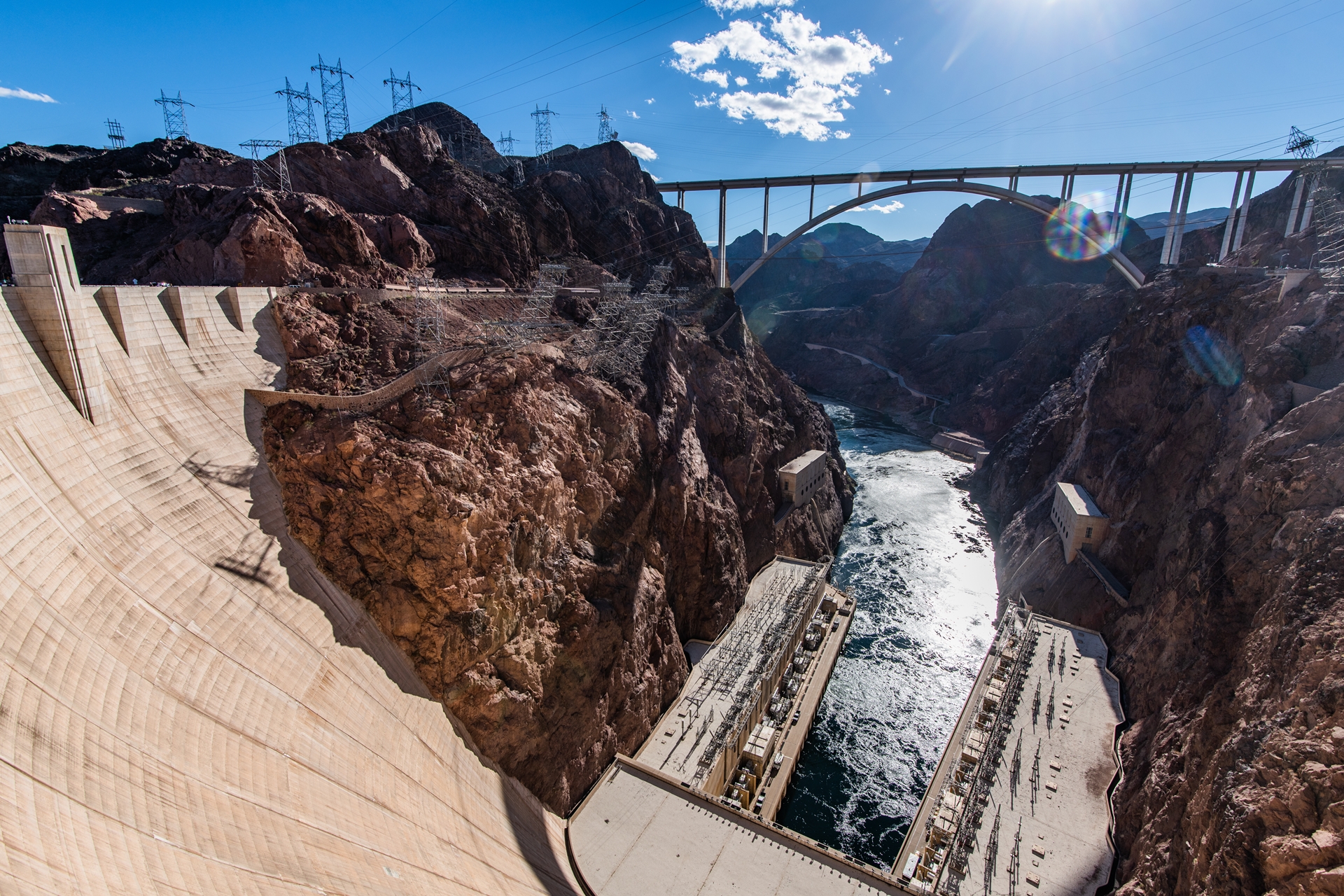
The Bureau of Reclamation has been involved in hydropower generation for more than a century. According to the agency, it owns 77 hydroelectric facilities and directly operates 53 of them. Together, those facilities provide more than 14,750 megawatts of generating capacity and produce an average of 37 million megawatt-hours of electricity annually, enough to meet the needs of more than 3.5 million homes.
The new categorical exclusions took effect immediately upon publication in the Federal Register on May 29, 2026, and are now available for use by Reclamation and other Interior Department offices when applicable.

 wpDiscuz