
- A central Arizona irrigation district signed a deal for up to 10,000 acre-feet per year of new water from a California desert aquifer.
- The agreement is the first of its kind between the Mojave Groundwater Bank and any Arizona water district.
- Water would reach Arizona through a federal exchange mechanism tied to the Colorado River system.
- The initial 50-year agreement would carry a base price of $850 per acre-foot, plus operating and power costs.
- Federal officials must still review and approve the interstate exchange before any water can actually flow.
Wednesday, July 8, 2026 — Deep beneath California’s eastern Mojave Desert, a massive underground reservoir holds water that Arizona farmers may soon be able to call their own. On July 2, 2026, two organizations took a formal step toward making that happen.
The Central Arizona Irrigation and Drainage District , which serves roughly 87,600 irrigated acres in Pinal County, and Cadiz, Inc., a California-based water and natural resources company, announced the signing of a Memorandum of Understanding. The agreement outlines a plan for the district to purchase up to 10,000 acre-feet of water per year from the Mojave Groundwater Bank, a large-scale water supply and storage project in San Bernardino County, California.
To put that volume in perspective, one acre-foot of water is roughly 326,000 gallons, enough to supply two to three average American households for a full year. Ten thousand acre-feet is a substantial shot of new supply for a region that has been running short.
Pinal County Has Felt the Pain First.
Pinal County agriculture did not arrive at this crossroads overnight. The region has been among the hardest hit by Colorado River shortages, absorbing cuts before many other users were asked to sacrifice.
“Pinal County agriculture has played an important role in Arizona’s history and economy,” said Arizona State Representative Chris Lopez, who represents Legislative District 16. “It has also been one of the hardest hit by reductions in the Colorado River, taking shortages long before many other water users. By entering into this strategic agreement with Cadiz, the Central Arizona Irrigation and Drainage District can bring vital water resources to this parched area and restore hope and prosperity for all who call it home.”
The district currently delivers Colorado River water through the Central Arizona Project, a massive canal system that moves river water across the state. But as the river’s reservoirs have declined due to prolonged drought and overuse, the supply coming through that system has grown increasingly unreliable for agricultural users.
Derek McEachern, General Manager of the Central Arizona Irrigation and Drainage District, put it plainly: “Arizona agriculture needs new supplies, not just deeper cuts to existing supplies. The Mojave Groundwater Bank gives the district a path to secure firm, drought-resilient water that can help protect farms, families and the rural economy in Pinal County.”
How the Exchange Would Work.
Here is where the plan gets a bit technical, but the basic idea is straightforward.
The Mojave Groundwater Bank sits in California. Arizona cannot simply run a pipe across state lines and start pumping water. Instead, the two parties are proposing an interstate exchange, a legal arrangement in which Cadiz would deliver water into the Colorado River system in California, and in return, Arizona would be credited with an equal amount of Colorado River water for use by the Central Arizona Irrigation and Drainage District.
Think of it like a bank deposit and withdrawal. Cadiz deposits Mojave groundwater into the river system on the California side. Arizona makes a matching withdrawal on its side. The river itself acts as the accounting ledger.
This kind of arrangement is not entirely new to Western water management, but applying it to non-Colorado River groundwater sources is a newer concept. The United States Bureau of Reclamation, the federal agency that manages the Colorado River, is expected to review the proposed exchange to identify the legal and operational requirements needed to make it work under what water lawyers call the “Law of the River,” the collection of treaties, court decisions, compacts and federal laws that govern how Colorado River water is divided and used.
Federal Interest and a Broader Pattern.
The Cadiz and Central Arizona Irrigation and Drainage District proposal fits into a broader trend that federal water managers have been paying attention to.
Earlier in 2026, the Bureau of Reclamation signed a similar memorandum of understanding with the San Diego County Water Authority and water agencies in California, Arizona and Nevada to evaluate interstate exchanges involving ocean water desalination, recycled water and other projects that add new water to the system rather than simply redistributing existing supplies.
The Central Arizona Irrigation and Drainage District deal is expected to be reviewed under a similar framework, through which water developed entirely outside the Colorado River could be made available to Arizona users through an exchange credit.
Cadiz had already signed its own memorandum with the Bureau of Reclamation in September 2025 to evaluate the Mojave Groundwater Bank as a potential new resource for the Lower Colorado River Basin, which includes Arizona, Nevada and Southern California.
The Price Tag and the Timeline.
Under the proposed terms of the memorandum, the Central Arizona Irrigation and Drainage District would have rights to purchase up to 10,000 acre-feet per year for an initial term of 50 years, with options to renew. The base price would start at $850 per acre-foot, stated in 2025 dollars, plus the costs of operating and maintaining the delivery system and the power needed to move the water to the Colorado River Aqueduct. There would also be a one-time, prorated capital charge for dedicated pipeline capacity.
The two parties said they plan to work with federal and state agencies to pursue available funding that could lower infrastructure costs and bring the final delivery price down.
Before any water can flow, the parties still need to finalize formal off-take and exchange agreements and complete construction of pipeline facilities. The memorandum of understanding signed last week is a commitment to work toward those goals, not a completed transaction.
A Project Built on Desert Geology.
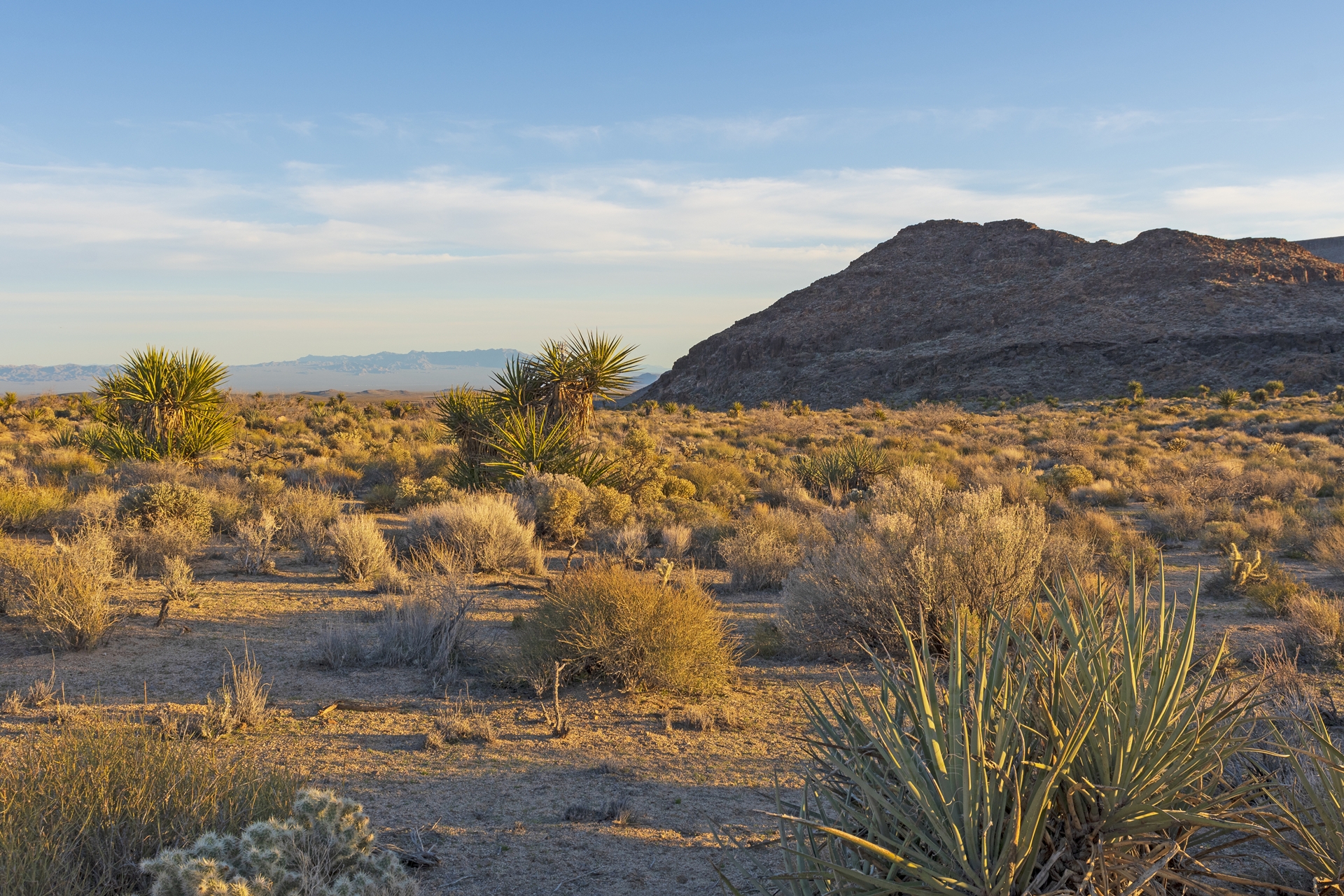
The Mojave Groundwater Bank draws from the Fenner Valley Aquifer System, a naturally recharged underground basin in California’s eastern Mojave Desert. Cadiz developed the project in partnership with the Lytton Rancheria of California, a federally recognized Native American tribe.
When fully developed, the project is expected to produce more than 2.5 million acre-feet of total supplemental water supply for the Lower Colorado River Basin, and to hold up to 1 million acre-feet of groundwater storage capacity. The project is currently permitted to deliver approximately 50,000 acre-feet per year, with about 30,000 acre-feet per year potentially available to Arizona-based customers through interstate exchanges.
Andy Mejia, Chairperson of the Lytton Rancheria, described the tribe’s commitment to the project in regional terms: “Lytton Rancheria has made a long-term commitment to supporting practical, durable solutions to some of the most pressing resource challenges facing California and the Southwest. As a Tribal government, we take a long-term view of the resources that sustain our communities. That includes supporting projects that strengthen water security, improve resilience in the face of drought, and bolster the stability of regions that are deeply connected to California’s broader water system.”
Political Support Across the Aisle
The announcement drew praise from several Arizona lawmakers who said the deal reflects the kind of supply-building approach the state needs.
Arizona House Speaker Steve Montenegro, who represents Legislative District 29, said the Mojave Groundwater Bank represents “the type of innovative solution that will be essential to enhancing Arizona’s long-term water supply,” adding that creating new infrastructure financing models “provides a model for what’s possible when we work together to address our most pressing water challenges.”
State Senator Tim Dunn, representing Legislative District 25 and Vice Chair of the Senate Natural Resources Committee, stated that “Arizona must look at every opportunity to bring new, non-Colorado River supplies into the regional water portfolio through interstate exchange.”
State Senator T.J. Shope, representing Legislative District 16 and serving as President Pro Tempore and Chair of the Senate Natural Resources Committee, said the agreement is “a practical step toward bringing new water resources to Arizona at a time when we need every tool available.”
State Representative Gail Griffin, representing Legislative District 19 and Chair of the House Natural Resources, Water and Energy Committee, called it “the type of win-win solutions Arizona needs,” while welcoming “locally driven solutions that will help Arizona manage its water resources while continuing to grow.”
Looking at the Bigger Picture.
Susan Kennedy, Chair and Chief Executive Officer of Cadiz, framed the project against the larger challenges facing the Colorado River Basin.
“The future of the Colorado River Basin depends on developing new water supplies, not simply managing scarcity,” Kennedy said. “The Central Arizona Irrigation and Drainage District is taking a leadership role by investing in new water supplies that will protect Arizona’s future, strengthen the State’s economy, and reduce pressure on the Colorado River for generations to come.”
The Mojave Groundwater Bank agreement is not a final solution to the region’s water woes. Significant legal, regulatory and engineering work remains before the first drop of Mojave groundwater reaches a Pinal County farm field. But for the farmers, families and rural communities who depend on that land, last week’s announcement marked at least the beginning of a different kind of conversation, one focused on finding new water rather than deciding who loses what remains.