- Water agencies from Arizona, California and Nevada signed a new agreement on June 3, 2026.
- The agreement focuses on exploring interstate water exchanges across the Colorado River Basin.
- Leaders say the effort could support desalination, water recycling and other new water projects.
- Existing water rights would not be changed under the framework being discussed.
- The talks come as Colorado River storage remains well below full capacity.
Thursday, June 4, 2026 — Water leaders from Arizona, California, Nevada and the federal government took a new step on June 3, 2026, toward exploring ways to stretch limited Colorado River supplies.
At a ceremony held at the Claude “Bud” Lewis Carlsbad Desalination Plant in California, the Bureau of Reclamation and six major water agencies signed a Memorandum of Understanding to begin discussions on a framework for interstate water exchanges .
.
The agreement does not create any new water-sharing deals. Instead, it establishes a process for exploring how states and water agencies could work together on future projects that increase water supplies.
The signatories include the Bureau of Reclamation, the San Diego County Water Authority, the Metropolitan Water District of Southern California, the Southern Nevada Water Authority, the Arizona Department of Water Resources, the Central Arizona Project and Salt River Project.
Looking Beyond State Borders.
The agencies said the discussions will focus on projects such as desalination, recycled water and other efforts that could create additional water supplies for communities across the Southwest.
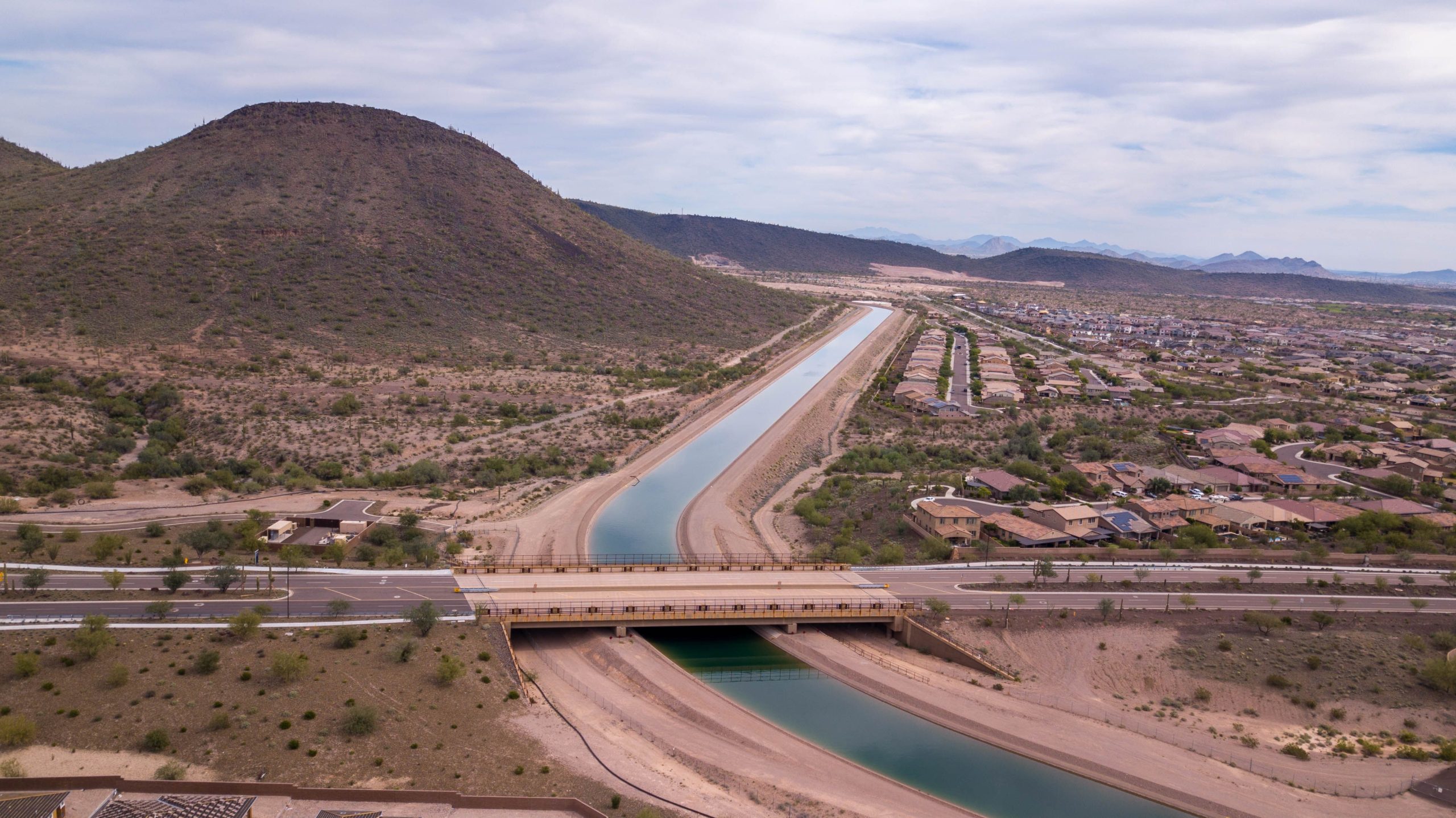
Under the concept being explored, agencies in different states could potentially help finance projects together and then receive water benefits through exchange arrangements. Leaders said such exchanges could make use of existing infrastructure and operational flexibility rather than requiring major new delivery systems.
According to the announcement, any future exchanges would not change existing water rights, reallocate water rights or obligate agencies to participate in projects.
Supporters say the idea could help water agencies respond more effectively to changing conditions across the Colorado River Basin, where water needs and local water availability often vary from place to place.
A River Under Pressure.
The discussions come as the Colorado River continues to face significant challenges.
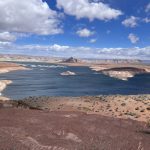
According to the agencies, long-term drought has reduced water storage in the Colorado River system to about 36% of total capacity. Officials also pointed to the lowest snowpack on record and record-breaking heat as factors that have intensified drought conditions.
The Colorado River supplies water to more than 43 million people across the Southwest. Reduced reservoir levels have increased concerns about the long-term reliability of both water and hydropower infrastructure throughout the basin.
What Water Leaders Are Saying.
Dan Denham, general manager of the San Diego County Water Authority, said regional cooperation will be important as water managers respond to increasingly variable climate conditions.
“Next-generation strategies in the face of climate volatility must include interstate partnerships that deliver water where it’s needed most,” Denham said. “New ideas are challenging to implement, but it’s in everyone’s best interest to make this work.”
Shivaji Deshmukh, general manager of the Metropolitan Water District of Southern California, said many water users across the basin are already developing projects that reduce reliance on the Colorado River, but large projects often require substantial investment.
“The MOU signed today demonstrates our commitment to discussing how to develop flexible partnerships across borders to pool funding, advance projects, and allow water to be shared when and where it is needed most,” Deshmukh said.
Southern Nevada Water Authority General Manager John Entsminger described regional partnerships as an important tool for maintaining reliable water supplies as river conditions become more difficult.
“This agreement allows us to explore forward-thinking, strategic investments that will strengthen water resilience in Southern Nevada and across the Lower Basin,” Entsminger said.
Arizona Department of Water Resources Director Tom Buschatzke said the agreement could help support efforts to add new supplies to the Colorado River system through exchanges that use existing infrastructure.
“It represents the kind of innovation that Arizona and its Lower Basin partners believe is needed from all the Colorado River states to help stabilize the system in the long term,” Buschatzke said.
Central Arizona Project General Manager Brenda Burman emphasized the value of cooperation among basin partners.
“When you have good partners, you can find collaborative opportunities that benefit all,” Burman said.
Leslie Meyers, associate general manager and chief water resources executive for Salt River Project, said the agreement reflects a commitment among Lower Basin states to explore options for supplementing water supplies during ongoing Colorado River shortages.
Early Stage Discussions.
The June 3 agreement marks the beginning of a discussion process rather than the creation of any specific project.
Water managers from the participating agencies will now explore whether a practical framework can be developed for future interstate exchanges involving desalination, water recycling and other water supply projects.
As the Colorado River Basin continues to face drought, shrinking reservoirs and growing demands, the participating agencies say the goal is to evaluate new options that could help improve long-term water management while working within existing water rights and infrastructure systems.