- The Bureau of Reclamation scheduled a public teleconference on July 21, 2026, to negotiate a contract extension for the Cachuma water project in Santa Barbara County.
- A separate quarterly public meeting on July 28, 2026, will update stakeholders on the long-term operation of two of California’s most important water delivery systems.
- Both meetings are open to the public and held virtually, giving anyone with an internet connection a seat at the table.
Monday, July 13, 2026 —The federal agency that delivers water to millions of farms, cities, and communities across the American West has put two important California water meetings on the calendar for late July 2026, and the public is invited to both.
The Bureau of Reclamation, which sits under the United States Department of the Interior and serves as the nation’s largest wholesale water supplier, announced the meetings separately in the first week of July. Though the two gatherings cover different topics, they share a common thread: both deal with how California’s water infrastructure will keep running in the years ahead.
What Is the Cachuma Project, and Why Does It Matter?
The first meeting concerns the Cachuma Project, a federal water storage and delivery system that serves Santa Barbara County on California’s Central Coast. Lake Cachuma, the project’s central reservoir, is the primary drinking water source for communities including Santa Barbara, Goleta, Carpinteria, and Montecito.
The Bureau of Reclamation announced on July 7, 2026, that it has scheduled a public teleconference negotiation session with the Cachuma Operation and Maintenance Board and what are called the Cachuma Member Units. These member units are the local water agencies that together receive water from the project.
The specific matter on the table is a proposed third amendment to an existing contract, originally signed on September 29, 2023, that governs the operation and maintenance of what federal officials call “transferred project works.” In plain terms, these are the canals, pipelines, pumping stations, and other pieces of infrastructure that the federal government originally built but has since handed over to local agencies to run day-to-day.
The proposed amendment would extend that contract by up to two years, allowing the Cachuma Operation and Maintenance Board to continue managing those facilities without interruption.
The teleconference is scheduled for Tuesday, July 21, 2026, at 10 a.m. Pacific Daylight Time. Members of the public who wish to attend can contact David E. Hyatt of the Bureau of Reclamation at dhyatt@usbr.gov or by calling 559-262-0334.
A Bigger Picture: California’s Two Giant Water Systems.
The second meeting takes a wider view. On Tuesday, July 28, 2026, from 1 p.m. to 3 p.m., the Bureau of Reclamation will hold its quarterly public meeting to update stakeholders on the long-term operation of two of California’s most consequential water delivery systems: the Central Valley Project and the State Water Project.
These are not small operations. The Central Valley Project is a federal system of dams, reservoirs, and canals stretching across much of California’s interior. It delivers water to farms and cities throughout the San Joaquin and Sacramento valleys. The State Water Project, run by the California Department of Water Resources, is the largest state-built water system in the country. Together, these two systems move water to tens of millions of Californians and irrigate some of the most productive agricultural land on earth.
The quarterly meeting is required under a federal law known as the Water Infrastructure Improvements for the Nation Act, a piece of legislation passed by Congress that, among other things, set rules for how the long-term operation of these two systems must be planned, reviewed, and reported to the public.
The July 28 meeting will be held virtually through Microsoft Teams. Previous meeting materials, along with the link to join the upcoming session, are available at the Bureau of Reclamation’s website at www.usbr.gov/mp/bdo.
Why Public Participation Matters.
Opening these negotiations and planning sessions to public observation is part of federal transparency requirements, giving residents, farmers, environmental groups, and other interested parties the chance to watch how decisions about shared water resources are made.
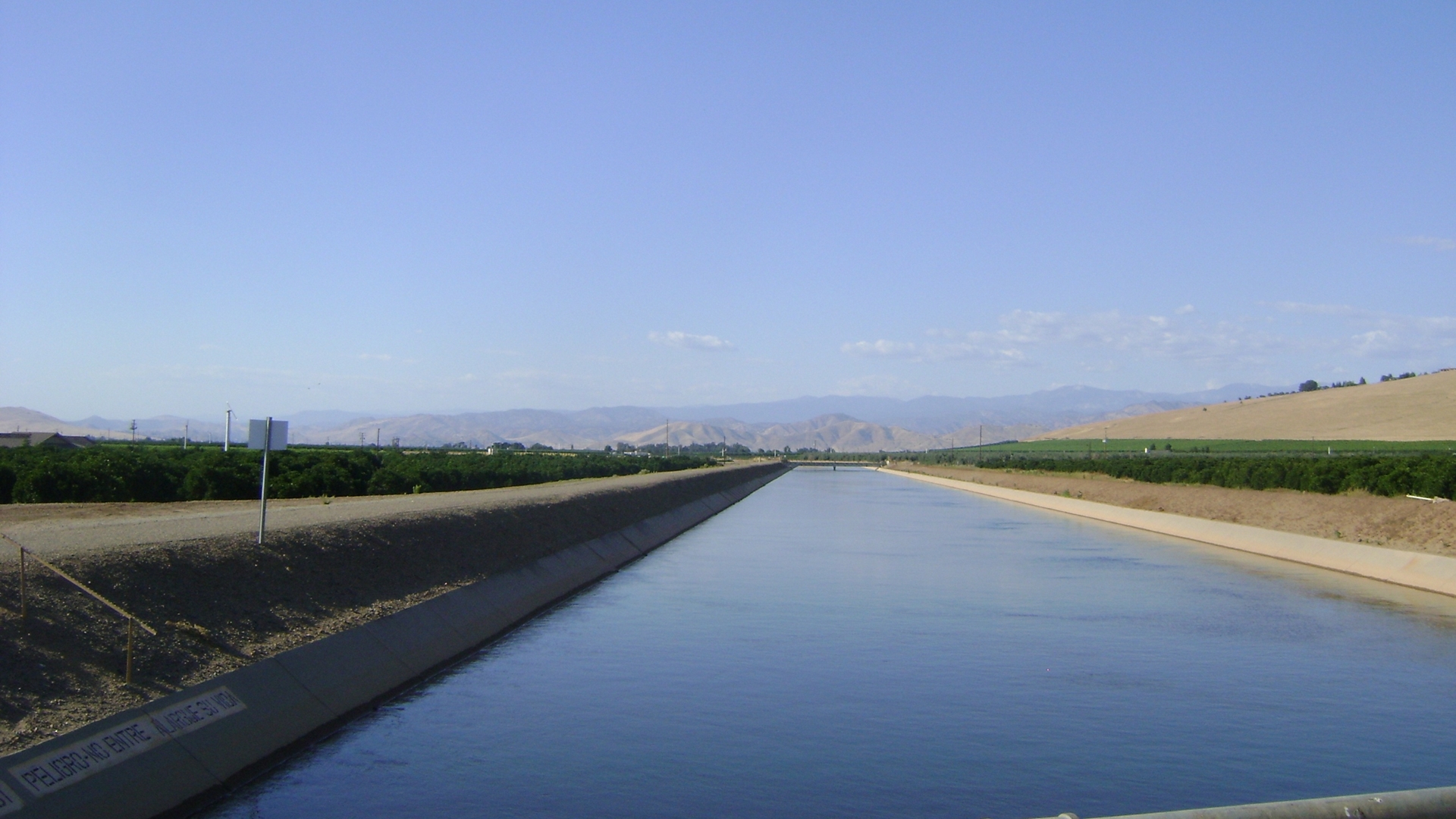
Pictured: Friant-Kern Canal.jpg "Opens in a new tab.") , part of the Central Valley Project. Attribution: VISALIA2010 at English Wikipedia. Licensed under the Creative Commons Attribution 3.0 Unported license.
, part of the Central Valley Project. Attribution: VISALIA2010 at English Wikipedia. Licensed under the Creative Commons Attribution 3.0 Unported license.