- On July 6, 2026, Arizona regulators approved a uranium mining company’s request to raise the acceptable level of arsenic in a monitoring well near the Grand Canyon.
- The Pinyon Plain Mine, located about six miles south of Grand Canyon National Park, sits atop an aquifer that is the sole water source for the Havasupai Tribe and feeds Havasu Creek.
- The mining company claims the rising arsenic is naturally occurring, but environmental experts say the company has not provided adequate proof of this claim.
- State officials raised the arsenic limit from 50 to 55 micrograms per liter, while critics worry this sets a dangerous precedent for water quality standards in the region.
Friday, July 10, 2026 — Last week, the Arizona Department of Environmental Quality (ADEQ) quietly approved a controversial permit change that will allow a uranium mine to operate with higher levels of arsenic in its groundwater monitoring systems. The decision caps months of heated debate between a mining company, state regulators, environmental organizations, and an American Indian tribe that depends on the area’s groundwater for survival.
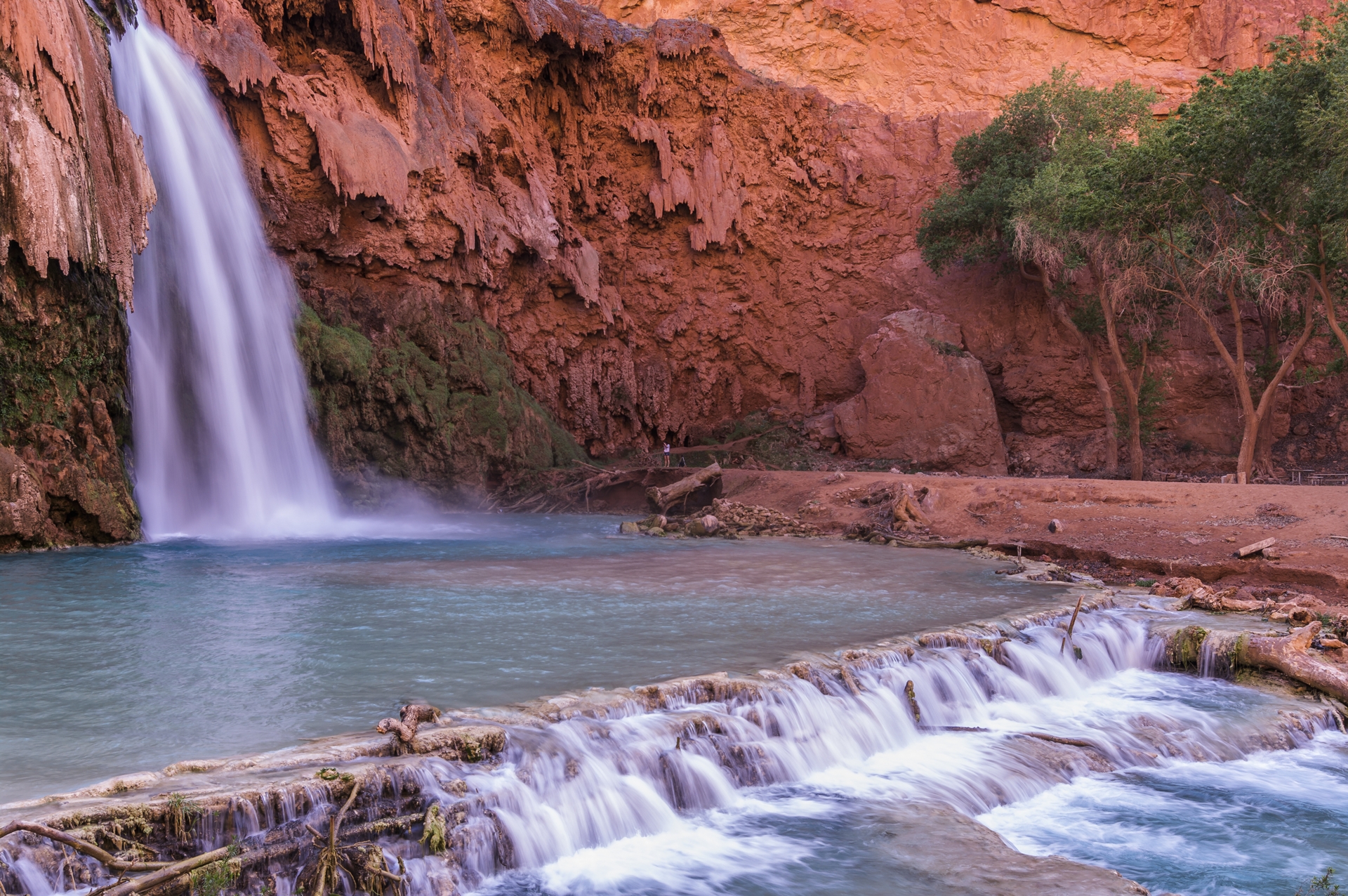
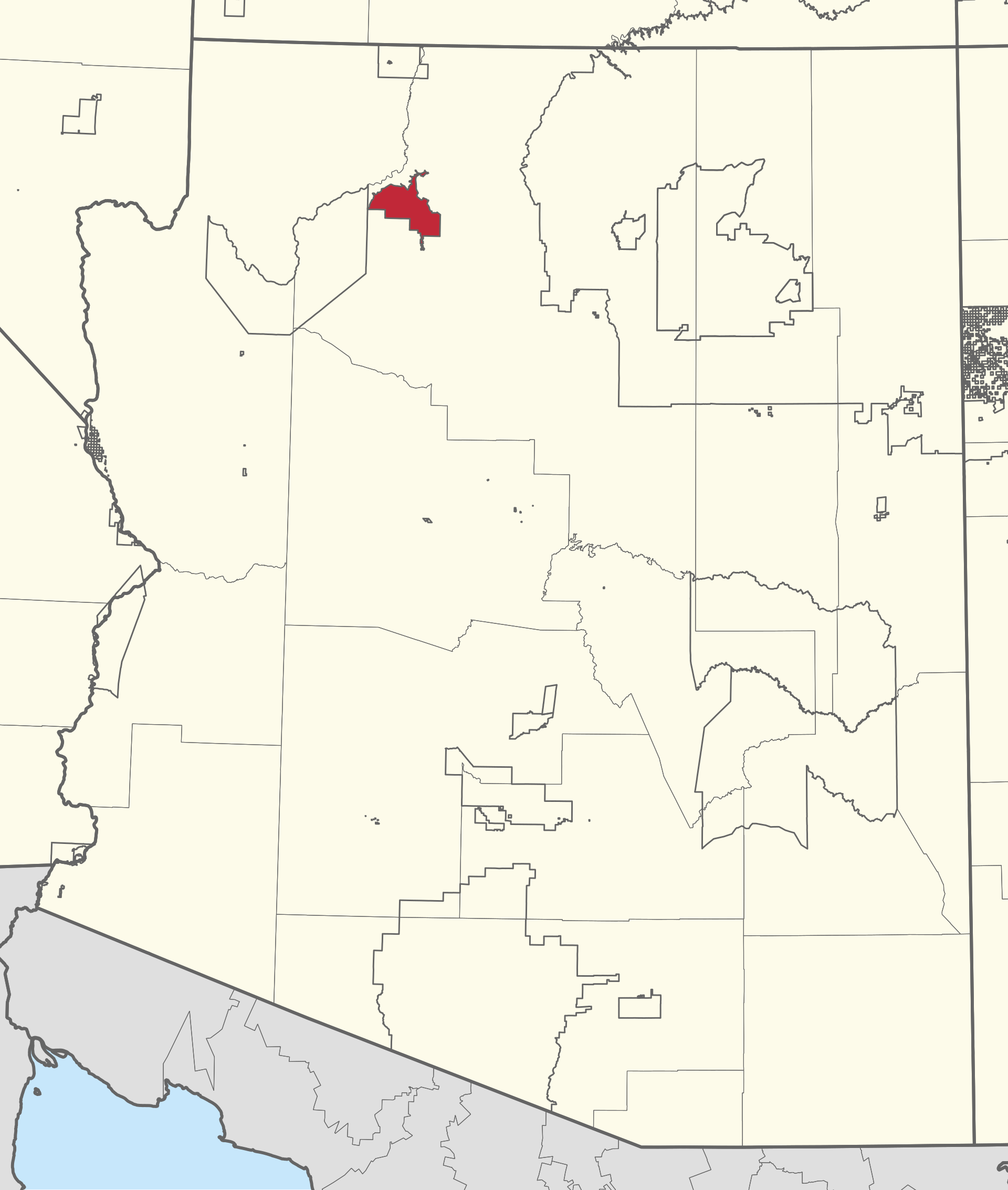
The Pinyon Plain Mine, formerly known as Canyon Mine, was constructed during the 1980s and spans 17 acres, roughly six miles south of Grand Canyon National Park. The mine descends nearly 1,500 feet underground and sits directly above the Redwall-Muav aquifer, a critical water source. This aquifer is not just any water supply. It serves as the sole drinking water source for the Havasupai Tribe and feeds Havasu Creek, a tributary of the Grand Canyon famous for its stunning turquoise waterfalls. The falls attract approximately 40,000 tourists annually.
The Arsenic Question.
Beginning in November 2025, Energy Fuels Resources applied to change its operating permit. The mining company asked state regulators to raise the arsenic limit at one monitoring well, labeled well number two, from 50 to 55 micrograms per liter. The company also raised the associated alert level from 40 to 50 micrograms per liter. These alert levels function as early warning systems that signal when something may be wrong with water quality.
The reason for this request? Arsenic levels have been rising.
Here is where the central debate begins. The mining company contends that these arsenic increases are completely natural, stemming from geology rather than mining operations. According to Caroline Oppleman, a spokesperson for ADEQ, the state believes the evidence supports this view. In a statement to Outside Online, she explained: “Over four-and-a-half years of rigorous, site-specific data confirm that the mine is not adding arsenic to the groundwater. Rather, the physical structure of the mineshaft has created a hydraulic sink that draws existing, naturally-occurring geological arsenic from the surrounding area toward the perimeter wells. Adjusting these limits simply reflects this natural geological reality.”
Environmental groups and the Havasupai Tribe vehemently disagree with this conclusion. They argue that Energy Fuels Resources has not conducted adequate scientific analysis to prove that the arsenic increases are indeed natural. These experts believe that the mine itself may have mobilized arsenic by altering the natural flow of groundwater, even if the company did not directly discharge the toxic metal.
The Context That Matters.
To understand why this matters, consider what Amber Reimondo, energy director for the Grand Canyon Trust, told Outside Online. “These monitoring wells are the canaries in the coal mine,” she said. “The original maximum allowed level was already five times the drinking water standard.”
The United States Environmental Protection Agency sets drinking water standards for arsenic at 10 micrograms per liter because the substance has been linked to various cancers, including bladder, lung, skin, kidney, liver, and prostate cancer. The original monitoring limit at the Pinyon Plain Mine was 50 micrograms per liter, already five times higher than the EPA’s safe drinking water standard. The new limit of 55 micrograms raises it even further.
Environmental groups worry that raising these monitoring limits creates a false sense of security. If the threshold goes up without corresponding scientific investigation, regulators and the public lose their early warning system. The mine becomes easier to keep in compliance with environmental regulations, not because water quality improves, but simply because the acceptable standard has been loosened.
Complex Hydrology and Hidden Dangers.
The Grand Canyon’s water systems are far from simple. Amber Reimondo explained to Outside Online that “it’s difficult to know, if water is contaminated at a given point, where it can go. It can travel vast distances horizontally and vertically. Mining in the region has the potential to cause contamination to the springs both inside the Grand Canyon and the groundwater.”
This complexity makes the monitoring well changes especially troubling to environmental advocates. If arsenic enters deep groundwater pathways, it could spread through the aquifer and permanently contaminate the springs the Havasupai Tribe depends on and that feed into the Grand Canyon itself.
The implications extend beyond the tribe. Arsenic poses a genuine health risk to backcountry hikers as well. Standard backpacking water filters remove bacteria but cannot remove dissolved heavy metals like arsenic.
The Tribal Response.
Melinda Yaiva, chairwoman of the Havasupai Tribal Council, forcefully expressed the tribe’s opposition. She called the decision “a profound attack on the Tribe’s inherent responsibility to guard and protect the waters of the Grand Canyon.” She also noted that ADEQ “ignored the voices of the Havasupai Tribe, other Tribal Nations, elected officials, scientists, conservation organizations, and countless members of the public who urged ADEQ to place the protection of Arizona’s groundwater above the interests of a foreign mining company.”
The Grand Canyon Trust has launched an online message campaign calling on the public to support stronger protections. Environmental organizations, including the Sierra Club, have joined the Havasupai Tribe in expressing serious concerns that the decision jeopardizes both the aquifer and public health throughout the region.
Looking Forward.
The core question remains unresolved: Are the increases in arsenic truly natural, or has the mine altered conditions in ways that mobilized existing arsenic? The mining company presents four and a half years of data as proof of natural causes. Critics counter that this data alone is insufficient to reach that conclusion and that the company should conduct a more thorough independent analysis before raising limits.
This decision highlights a fundamental tension in environmental regulation. When monitoring wells show concerning trends, should regulators investigate intensively to understand the cause, or should they adjust the acceptable standards when explanations seem plausible? The Havasupai Tribe and environmental advocates believe the answer is clear: thorough investigation must come first. Raising limits without understanding the underlying cause, they argue, puts precious water resources and public health at unnecessary risk.
The Pinyon Plain Mine continues to operate under its new permit terms, and the nation’s water future in this region depends on decisions about protecting one of America’s most iconic landscapes and the water that sustains it.