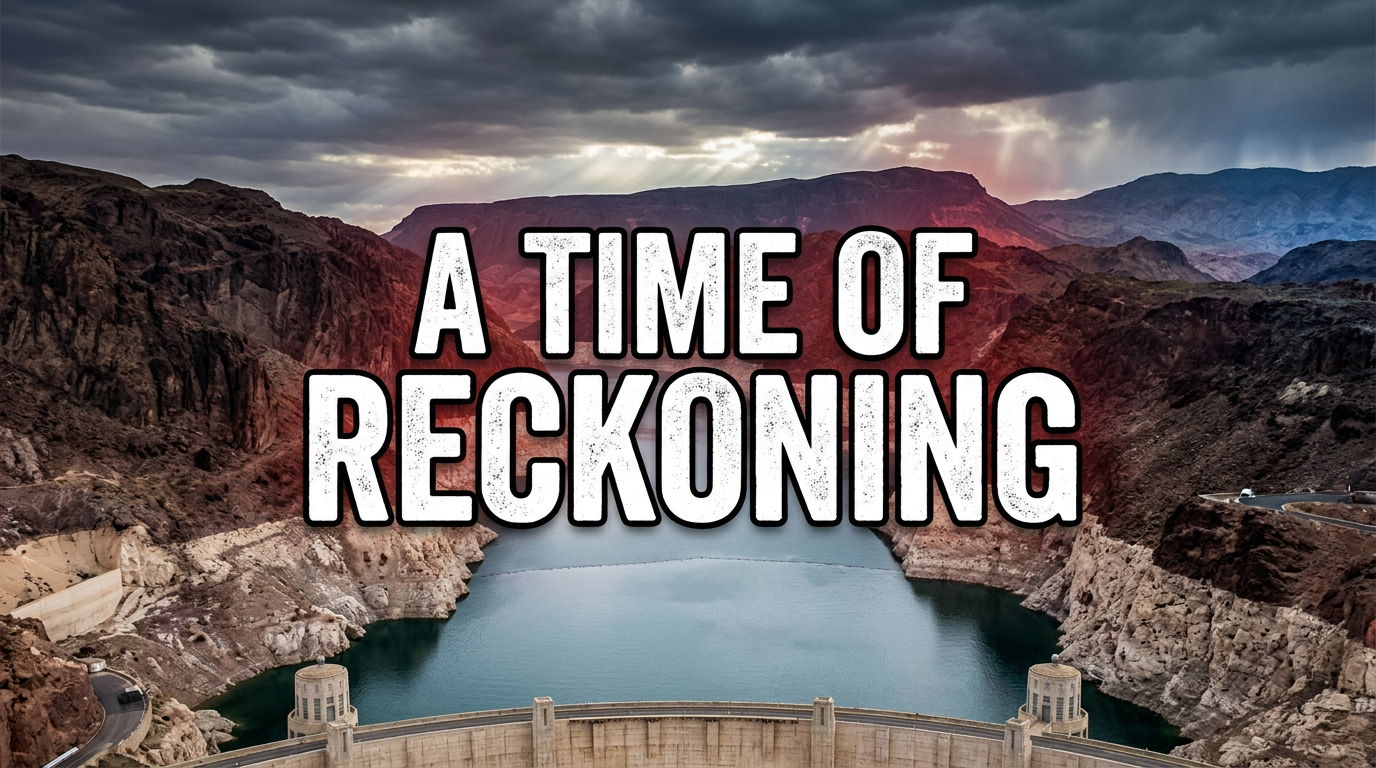
For years, officials warned that the Colorado River was reaching a breaking point. Now, the federal government has released its long-awaited plan for operating Lake Powell and Lake Mead through 2036—and the details matter far more than the headlines. In this episode of Western Water Weekly, we go beyond the clickbait to explain what the Bureau of Reclamation’s Final Environmental Impact Statement actually proposes, why Arizona could face the largest reductions, how the Upper and Lower Basin states are responding, and what the plan means for the future of the Colorado River. Rather than speculation, we walk through the framework itself in plain language, using the government’s own data and statements. We also cover historically low reservoir levels at Lake Powell, Lake Mead, and Elephant Butte Reservoir, the collapse of the Cibola Bridge into the Colorado River, Utah’s draft State Water Plan, new federal funding for rural water systems, industrial water reuse initiatives, cyberattacks targeting drinking water utilities, and an important California groundwater court ruling.
Video: Colorado River reckoning? Inside the federal plan