- The Church of Jesus Christ of Latter-day Saints has pledged $3 million to help protect Great Salt Lake wetlands.
- The funding will help Utah remove invasive reeds that consume large amounts of water.
- The reeds can grow 15 feet tall and crowd out native plants and wildlife.
- State officials say removing the reeds will help protect migratory birds and improve water flows into the lake.
- Several Utah agencies will coordinate the removal and restoration work.
Monday, November 2, 2026 — A troublesome plant growing along the Great Salt Lake’s shoreline is getting some new attention, along with $3 million to help bring it under control.
On October 29, 2026, Utah Gov. Spencer Cox announced that The Church of Jesus Christ of Latter-day Saints had committed $3 million to support the removal of invasive reeds known as phragmites.
The donation will go to the Office of the Great Salt Lake Commissioner, which coordinates efforts to protect and restore the lake.
State officials say the money will help preserve shoreline wetlands, improve wildlife habitat, and reduce water losses caused by the fast-growing plants.
The Tall Reeds That Drink Too Much Water
Phragmites may look like ordinary tall grass, but the invasive plant has become a serious problem around the Great Salt Lake.
The non-native reeds can grow as tall as 15 feet, forming thick stands that crowd out other plants.
According to Utah officials, invasive phragmites consume twice as much water as native plants. Across the affected areas, the reeds use several thousand acre-feet of water each year.
The plants also interfere with water reaching the lake.
But water consumption is only part of the problem.
The dense reeds damage wetlands that provide important habitat for millions of migratory birds. They also create a significant wildfire risk.
Removing the plants is part of Utah’s broader effort to protect the lake and the surrounding wetlands.
Protecting Water and Wildlife
The $3 million donation will allow Utah to continue treating areas affected by phragmites while expanding shoreline restoration work.
Great Salt Lake Commissioner Hannah Freeze said the funding will help crews schedule treatments around seasonal environmental conditions.
“Phragmites has a significant impact on the hydrology of Great Salt Lake,” Freeze said.
Hydrology refers to how water moves through an area. In this case, the invasive reeds affect the water that would otherwise move through shoreline wetlands toward the lake.
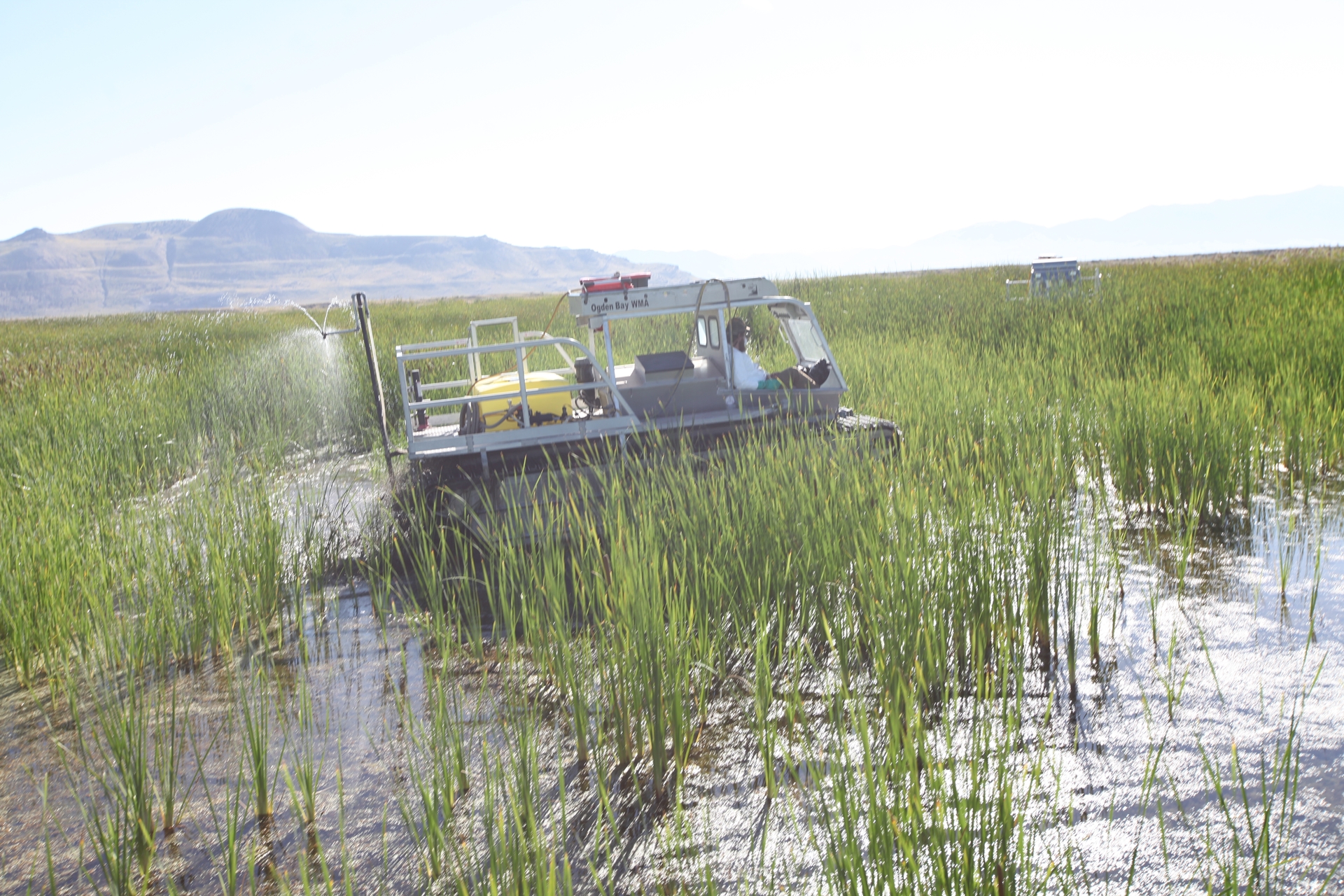
The restoration effort will involve several steps, including repeated plant treatments, mechanical clearing, and longer-term wetland restoration.
The timing of those activities matters because treatment work must also account for seasonal changes in the wetland environment.
A Coordinated State Effort
The Office of the Great Salt Lake Commissioner will oversee the project, working with several divisions of Utah’s Department of Natural Resources.
Those divisions include Forestry, Fire and State Lands; Wildlife Resources; Water Rights; and Water Resources.
Local waterfowl management organizations and conservation groups will also participate.
The Utah Legislature created the commissioner’s office in 2023 to help coordinate the many agencies and organizations involved in protecting the Great Salt Lake.
Gov. Cox described the new contribution as an example of the cooperation needed to protect one of Utah’s most important natural resources.
“The Great Salt Lake is fundamental to Utah’s environment, economy and quality of life, and protecting it will take all of us working together – individuals, institutions and industry, alike,” Cox said.
The governor also thanked the Church for supporting the state’s efforts to remove the invasive plants and restore habitat for migratory birds.
The October 29 announcement did not provide a specific acreage target, a timetable for completing the expanded removal work, or an estimate of how much additional water would reach the lake.
For now, the $3 million commitment provides additional funding for Utah’s ongoing efforts to control phragmites and protect the Great Salt Lake’s shoreline wetlands.
Image from the Phragmites and Phragmites Treatment B-roll provided with Governor Cox’ press release.