- Utah reservoirs fell 13 percent from May to July, far steeper than the usual 1 percent drop.
- Statewide reservoir storage stood at 57 percent full, below normal and below last year.
- Monsoon rain eased water demand but also brought deadly flooding to parts of the state.
- Burn scars left by past fires raise the danger of sudden flash floods and debris flows.
- Utah has recorded 690 wildfires this year, with 364 started by people.
- River flows differ sharply by basin, with some running near 2021 drought levels.
Monday, August 10, 2026 — Utah moved into the final days of July with a mixed picture of water and weather, according to a drought update released July 30, 2026, by the Utah Division of Water Resources . Summer monsoon storms delivered rain to parts of the state and eased the strain on water supplies. The same storms turned deadly in places, damaging property and taking lives. State officials urged residents to stay alert and put safety first through the rest of the summer.
Reservoirs Fall Faster Than Normal.
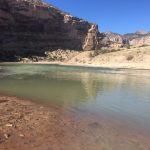
Reservoirs across Utah usually keep filling into late June or July. This year they began dropping in early May. The typical decline between May and July runs about 1 percent. This year it reached 13 percent.
“While the rains have arrived, our reservoirs have seen a significant decline,” said Laura Haskell, drought coordinator for the Utah Division of Water Resources. “The median drop between May and July is typically 1%, but this year it reached 13%. This is due to the low snowpack resulting in low runoff.”
Statewide, reservoir storage averaged 57 percent full as of the July 30 report. That level sat 17 percent below normal for late July and 22 percent below the same point last year. Low water has already forced changes at some sites. The boat ramp at Escalante Petrified Forest State Park was closed as of the report, and officials noted that low levels can push some parks to shut boat launches to protect visitors and their property.
Because harmful algal blooms, which are mats of toxic algae that can sicken people and pets, may be appearing earlier than usual, the state asked residents to learn how to spot them and check current advisories. Low water tied to construction projects and the ongoing drought also led the Utah Division of Wildlife Resources to raise daily fishing limits at seven bodies of water.
Danger Near Burn Scars.
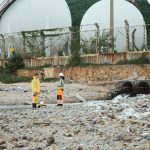
Areas burned by past wildfires, known as burn scars, stay unstable for years. Rain that would pass harmlessly over normal ground can race across scorched soil and set off flash floods and debris flows, even during small storms. Officials said the flooding threat stays high in these places as monsoon storms continue.
The division encouraged residents to watch local forecasts, avoid burn scar areas during rain, and follow the instructions of local emergency officials. Anyone under an evacuation order should leave, and no one should try to cross flooded roads or drainages. Moving water can be deadly, and flooding can strike with little warning.
Wildfire Activity Climbs.
Fire has kept crews busy across Utah this year. The state reported 690 wildfires, including 364 that people caused. Containment improved on the largest fires. Recent lightning from monsoon storms then sparked more fire starts. Higher humidity and scattered rain lowered fire danger in some areas, while other areas stayed dry. Officials asked residents to keep practicing Fire Sense by preventing human-caused ignitions, tracking local fire conditions, and reporting any new fire right away.
Rivers Tell Different Stories.
As the irrigation season reached its peak, streamflows kept falling across much of the state after an early runoff and below-average snowpack. Conditions varied from one river basin to the next. Some rivers gained from stronger snowpack, reservoir releases, and summer storms. Others looked much like the drought year of 2021. Water commissioners continued to regulate junior water rights where needed so that senior water rights, meaning the older and higher-priority claims, received their lawful share.
A look around the state showed the split clearly:
- Bear River stood well above many other basins and resembled the above-average 2019 water year. Better snowpack, summer thunderstorms, and reservoir releases helped keep flows up and supported deliveries.
- Upper Provo River mostly reflected drought conditions. Recent monsoon rain gave flows a short boost that is expected to fade as runoff keeps dropping.
- Upper Duchesne River looked similar to the 2021 drought. Reduced natural flows and priority regulation limited deliveries, and flows fell steadily after the fast spring runoff.
- Upper Sevier River ran below average but stayed above 2021 levels. Reservoir releases supplemented flows and improved deliveries compared with the severe shortages of 2021.
The Division of Water Rights and water commissioners will keep monitoring streamflows and administering water rights through the season. Conditions are expected to shift as summer continues, shaped by remaining reservoir operations, local rain, and irrigation demand.
Programs for Drier Years.
The state pointed to two efforts meant to help Utah handle dry stretches. The Agricultural Water Optimization Program supports farmers, and the Slow the Flow campaign offers guidance to residents. Both work to teach and reward water-saving habits so households and growers can better prepare for future drought. Indoor water-saving tips are available through the Slow the Flow campaign.