- A San Bernardino County Superior Court confirmed the appointment of a receiver to oversee Havasu Water Company on October 7, 2026.
- The California Public Utilities Commission has investigated the company over water service, safety and regulatory compliance problems.
- Federal environmental regulators have issued drinking water violations and emergency orders involving the small water system.
- The Chemehuevi Indian Tribe is pursuing a separate federal court case involving the company’s use of Tribal trust land.
- A customer billing and meter dispute is also pending before state utility regulators.
Friday, October 23, 2026 — A California court has placed Havasu Water Company under outside management following years of concerns about drinking water safety, service reliability and regulatory compliance.
On October 7, 2026, the San Bernardino County Superior Court confirmed Scott Sackett as receiver for the privately owned utility. The court had initially appointed him on September 4.
A receiver is an independent person appointed by a court to take control of certain business operations or property. In this case, the appointment is intended to address problems with the water system while the legal proceedings continue.
Havasu Water Company serves a small community in the Havasu Lake area of San Bernardino County, California, near the Colorado River and the Chemehuevi Indian Reservation.
The court’s ruling followed a request by the California Public Utilities Commission, which regulates privately owned water utilities in the state.
The company and its owner, Jennifer Hodges, along with JH Family Limited Partnership, opposed the receivership.
The court nevertheless determined that outside management was warranted because of concerns involving the safety and reliability of water service.
The receivership does not end the company’s other legal and regulatory proceedings. Several disputes remain separate from the court’s decision to appoint a receiver.
State Regulators Investigate Water Service.
The California Public Utilities Commission has conducted a formal investigation into Havasu Water Company’s operations.
In a February 13, 2026, presiding officer’s decision, the commission examined whether the company had complied with federal, state and county requirements governing its water system.
The proceeding addressed drinking water safety, system operations, fire protection and information provided to regulators.
Among the issues was the company’s handling of approximately 20 fire hydrants. The decision included a $20,000 penalty related to misleading information concerning fire hydrants, along with other findings and penalties.
The investigation reflects the broad responsibilities of a regulated water utility. Even a small system must maintain safe drinking water, provide reliable service, comply with operating requirements and give regulators accurate information.
The February decision is part of the regulatory record. Its procedural status and any subsequent appeals or modifications must be distinguished from the separate court order appointing a receiver.
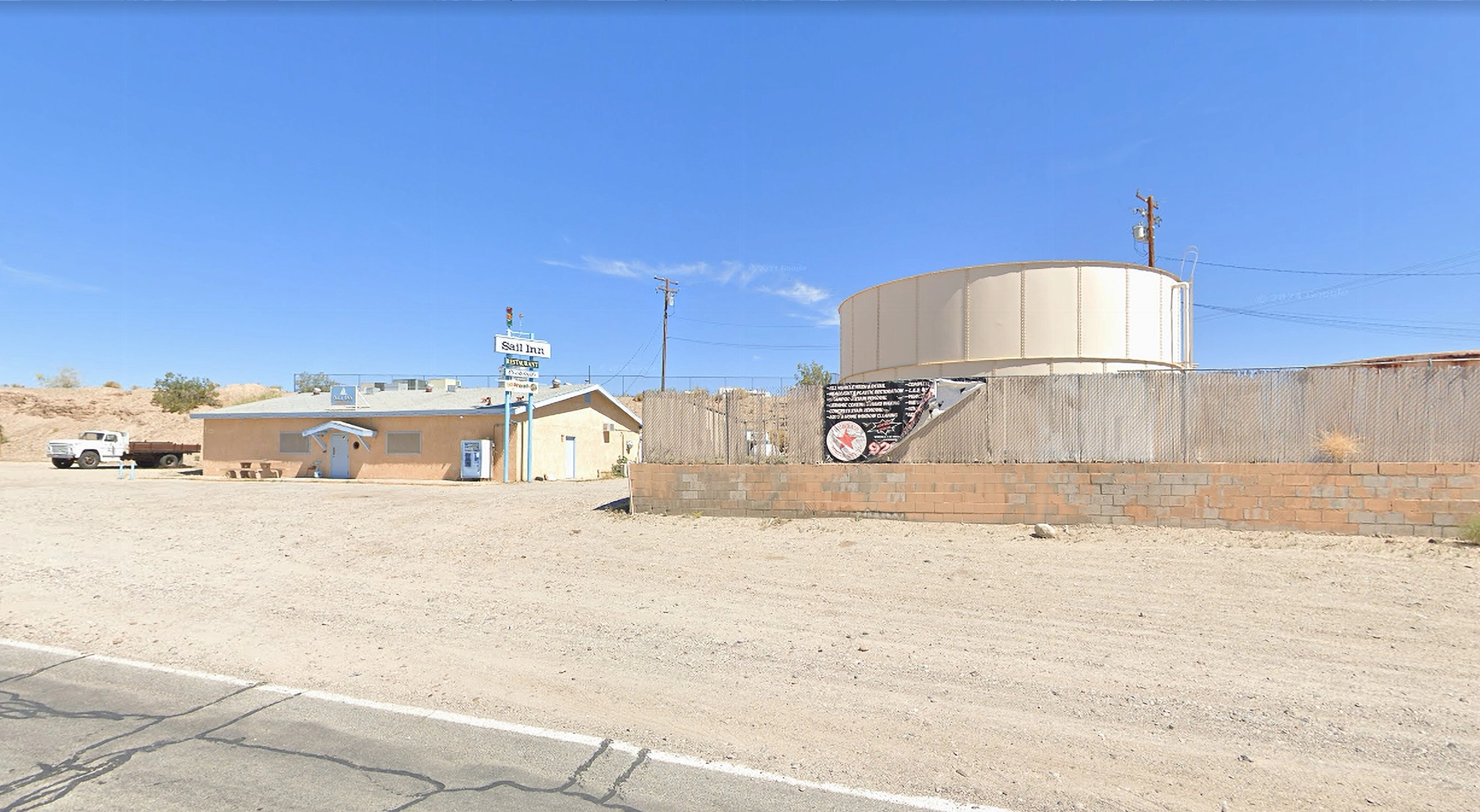 image of Havasu Water Company
Federal Regulators Address Drinking Water Problems.
Havasu Water Company’s difficulties have also drawn attention from the U.S. Environmental Protection Agency.
The federal agency assumed primary oversight of the system under the Safe Drinking Water Act on January 1, 2024, because of the system’s location and facilities associated with the Chemehuevi Indian Reservation.
According to the EPA, the water system serves approximately 360 people. A separate California regulatory record identifies approximately 226 year-round residents.
In February 2024, federal regulators issued notices concerning the need to boil drinking water.
Additional violations identified in May 2024 included problems involving total trihalomethanes, a group of chemicals that can form when disinfectants react with organic material in water, and requirements involving certified water system operators.
In November 2024, the EPA issued an emergency order following repeated water outages and concerns about the system’s ability to provide safe drinking water.
Further regulatory notices continued into 2026.
The EPA reported that a boil water notice was lifted on May 1, 2026. That development was important for customers, but it did not resolve all of the utility’s operational, regulatory or legal problems.
For residents, these proceedings concern a basic service that most households depend on every day.
Tribal Land Dispute Continues in Federal Court.
Another major legal dispute involves the Chemehuevi Indian Tribe and the company’s use of Tribal trust land.
In Chemehuevi Indian Tribe v. Havasu Water Company, the Tribe has pursued federal court orders concerning the company’s continued occupation or use of land without authorization.
On September 2, 2026, the U.S. District Court for the Central District of California found Havasu Water Company in civil contempt for failing to comply with an earlier ejectment order.
The court imposed a $100 daily sanction beginning August 27, 2026, for continued noncompliance.
The Ninth Circuit Court of Appeals had declined to stay the ejectment order while an appeal proceeded.
This dispute raises questions that are separate from drinking water quality and the state receivership. It concerns the Tribe’s legal rights over its trust land and the company’s authority to maintain facilities or operations there.
The appointment of a receiver does not, by itself, satisfy the federal court’s land-related orders.
That distinction matters because the receiver must address the company’s operations within the limits of other applicable court rulings and legal obligations.
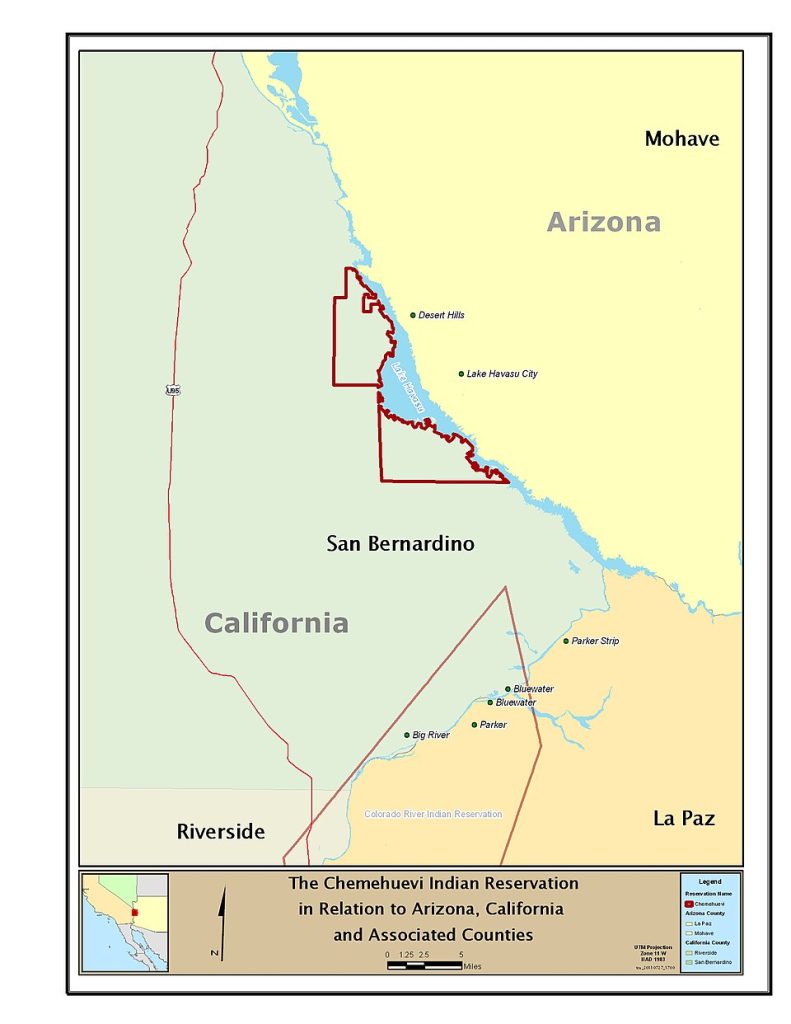
 in Relation to Arizona, California and Associated Counties – Public Domain
Customers Challenge Meter and Billing Practices.
Havasu Water Company is also involved in a complaint brought by customers Louie and Vicky Osuna.
The complaint, filed in December 2023, raised issues involving water service interruptions in March 2022, water quality, meter removal and billing practices.
An October 2026 proposed decision by the California Public Utilities Commission addresses several of those disputes.
Under the proposed decision, the company would be required to eliminate a $250 deposit and certain late fees associated with the complaint.
The proposal would allow the use of a three-quarter-inch meter but would limit the applicable charge to the approved five-eighths-inch meter tariff, including an annual service charge of $92.42.
The October decision is proposed, not a final ruling. Its requirements should not be described as binding unless the commission formally adopts them.
Although this complaint involves individual customers, it illustrates how problems with a small utility can extend beyond drinking water safety to everyday questions about bills, meters and service.
What Happens Next?
The receivership places a court-appointed manager in a position to address Havasu Water Company’s operations while other proceedings continue.
The receiver must contend with a complicated situation involving state utility regulation, federal drinking water requirements, Tribal land rights and customer complaints.
Each proceeding addresses different legal responsibilities, and the outcome of one does not automatically resolve the others.
For customers, the central concern remains whether the system can provide safe, dependable drinking water.
The case also demonstrates the challenges that can arise when a small community depends on a utility facing multiple regulatory and legal disputes at the same time.
A receivership may provide a way to stabilize operations, but the court appointment alone does not establish that the underlying problems have been resolved.
The October 7 order referenced a receivership status conference scheduled for October 16, 2026. The outcome of that conference was not established by the records reviewed for this article.
Sources:
- San Bernardino County Superior Court. California Public Utilities Commission v. Havasu Water Company
 , Case No. CIVSB2625211. Ruling on Motion to Appoint Receiver and Injunctive Orders, October 7, 2026. 2 pages.
- California Public Utilities Commission. Presiding Officer’s Decision Resolving Order Instituting Investigation of Havasu Water Company and Order to Show Cause, Investigation I.25-08-007, February 13, 2026. 75 pages.
- California Public Utilities Commission. Proposed Decision in Osuna v. Havasu Water Company, Case 23-12-002, October 2026. 19 pages.
- U.S. District Court, Central District of California. Chemehuevi Indian Tribe v. Havasu Water Company, Case No. 5:20-cv-00471-GW-KK. Order dated September 2, 2026. 6 pages.
- U.S. Environmental Protection Agency. Regulatory Oversight of Havasu Water Company Public Water System, Needles, California. Federal drinking water enforcement and compliance information.
Editorial note: The October 7 court ruling confirms the receiver’s appointment, but the supplied documents do not establish the outcome of the October 16 status conference or whether the October proposed Osuna decision was subsequently adopted. Those developments have therefore not been presented as completed actions.
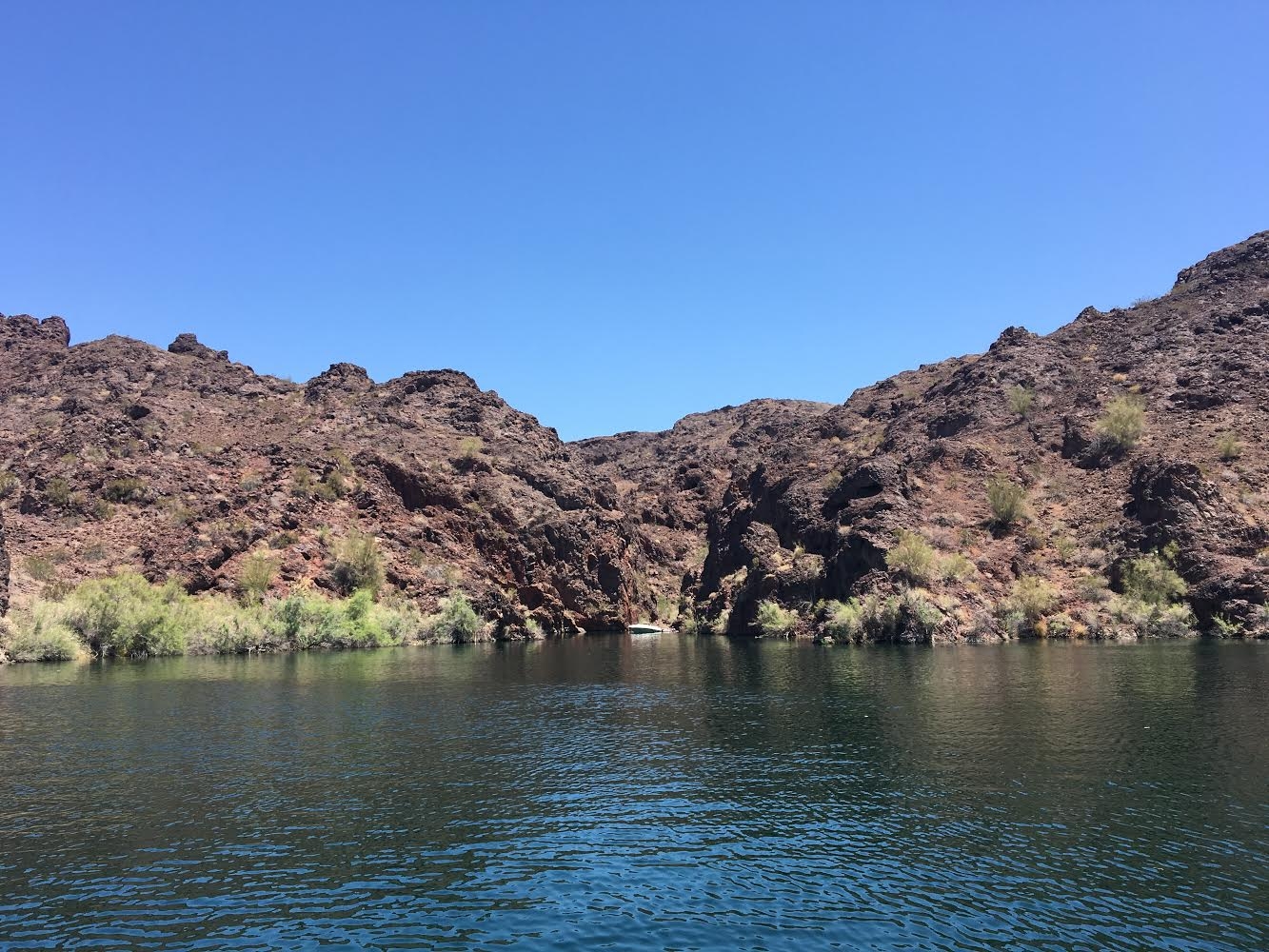
Top Image: Lake Havasu Special Recreation Management Area encompasses the shoreline of Lake Havasu and surrounding areas. This area includes unique opportunities for recreation, from mountain biking and hiking to water sports. Bureau of Land Management, March 2026.