- The bill would transfer the project’s electric lines and related assets.
- Coolidge Dam and its power facilities would remain federal property.
- The irrigation project would continue operating water facilities and about 200 wells.
- The bill preserves Interior Department responsibilities under the Arizona Water Settlements Act.
- The proposal was introduced in the U.S. House on October 22.
Tuesday, October 27, 2026 — A new bill in Congress would separate the San Carlos Irrigation Project’s aging electric system from its water operations.
U.S. Rep. Eli Crane, an Arizona Republican, introduced H.R. 10864, the San Carlos Irrigation Project Divestiture Act of 2026 , on October 22. The bill directs the Secretary of the Interior to transfer the project’s electric transmission and distribution system and related assets to new operators under a plan developed with federal, state, Tribal, local and private representatives.
The proposal does not transfer Coolidge Dam, its powerhouse, or its generating facilities. It also does not remove the Interior Department’s existing responsibilities for the San Carlos Irrigation Project under the Arizona Water Settlements Act.
A project built around irrigation water.
Congress authorized Coolidge Dam and San Carlos Reservoir on the Gila River in 1924. The project was created first to provide irrigation water for allotted land on the Gila River Reservation, and then for other lands that could be served without reducing water available for Indian lands.
According to the bill, the San Carlos Irrigation Project operates Coolidge Dam and about 200 irrigation wells. Those facilities provide water to project lands on the Gila River Reservation and to lands within the San Carlos Irrigation and Drainage District outside the reservation.
A hydroelectric system was later added at Coolidge Dam. Its main purpose was to power irrigation pumps, Bureau of Indian Affairs facilities and schools, and irrigation pumping on the San Carlos Apache Reservation.
But the bill says low and erratic Gila River flows have limited power generation at the dam for decades. It states that no power has been generated there since an October 1988 flood damaged the dam’s switchyard.
Power system serves five Arizona counties.
The electric system now serves parts of Pinal, Pima, Maricopa, Graham and Gila counties across about 2,400 square miles. It provides power to homes and businesses both on and beyond irrigation project lands.
The legislation says the system serves about 10,000 residential customers. It relies on short-term contracts and the day-ahead power market because federal procedures make long-term power arrangements difficult.
The bill also says some facilities are more than 80 years old and need modernization. Because the project cannot raise money for new infrastructure through bonds, the proposal says customers have faced increased rates.
Congress authorized an earlier transfer of the electric system in 1991, but the related agreements later expired. The bill says the problems that prompted that earlier effort have continued.
What the new bill would do.
H.R. 10864 would direct the Interior Secretary to prepare a transfer plan with affected governments, Tribes, utilities and other entities. The recipient or recipients would cover the administrative costs of the transfer unless the Secretary determines federal funding is needed and submits supporting information to Congress.
The bill also removes a reversion provision from the 1991 law that would otherwise apply to this transfer.
Its stated purpose is to support safe, reliable, and cost-effective electric service while protecting the rights and interests of current customers and employees. It also directs the transfer process to consider principles developed by a group that includes the Gila River Indian Community Utility Authority, electric cooperatives, irrigation districts and electrical districts.
In an October 23 statement, Crane said the proposal would move the system to operators better equipped to invest in it and serve its customers.
“While it won’t fix everything overnight, it’s a critical step toward delivering the dependable electricity these communities need,” Crane said.
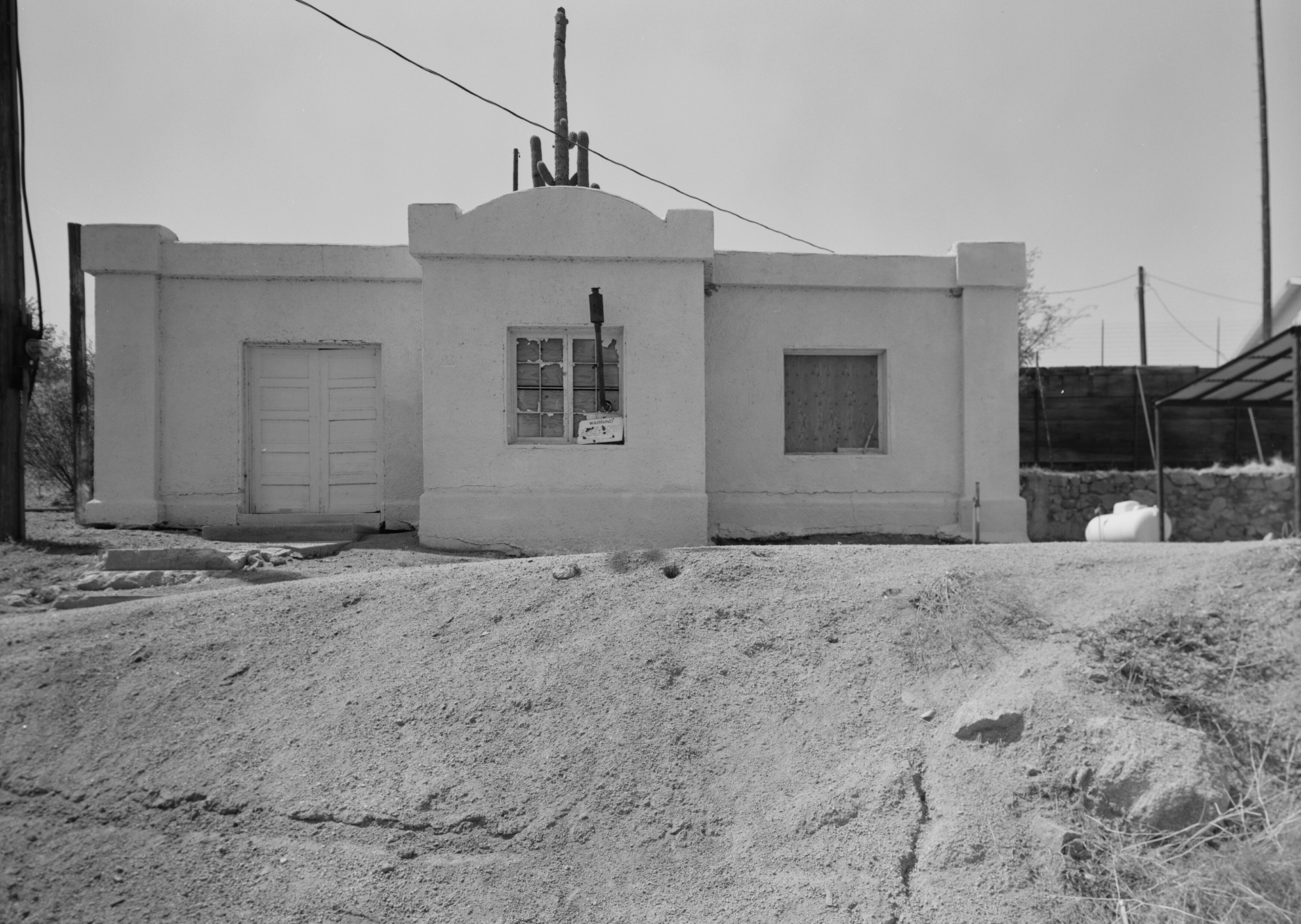
Image: FRONT (NORTH SIDE) OF POWER HOUSE – San Carlos Irrigation Project, Ashurst-Hayden Dam, Power House, Gila River, T4S R11E S7, Coolidge, Pinal County, AZ (Public Domain – Bob Knotts, 1995. Library of Congress Prints and Photographs Division Washington, D.C.)