- Most groundwater wells in the Middle Rio Grande must be metered by March 1, 2028.
- All new wells, including household and livestock wells, must have meters.
- Certain existing household and livestock wells qualify for exceptions.
- A new Water Master District will oversee water use across portions of five New Mexico counties.
- Failure to comply could result in civil penalties and restrictions on groundwater pumping.
- Well owners will be responsible for meter installation, maintenance, repairs and reporting.
Wednesday, November 25, 2026 — New Mexico residents who depend on groundwater for their homes, farms and businesses face new requirements governing how their water use is measured and reported.
On November 13, 2026, New Mexico State Engineer Elizabeth K. Anderson signed two orders establishing a new water management district in the Middle Rio Grande and requiring the installation of water meters on most groundwater wells within its boundaries.
Although the orders became effective immediately, affected well owners have until March 1, 2028, to have approved water meters installed and operational.
The requirements are part of a long-term effort to manage dwindling water supplies , protect existing water rights and help New Mexico meet its legal obligations under the Rio Grande Compact.
Years of severe drought, declining snowpack, rising temperatures and increased water demand have made meeting those obligations more difficult. Scientific projections cited in the state’s metering order indicate that 25 percent less water could be available in the Rio Grande in the future.
Where Do the New Requirements Apply?
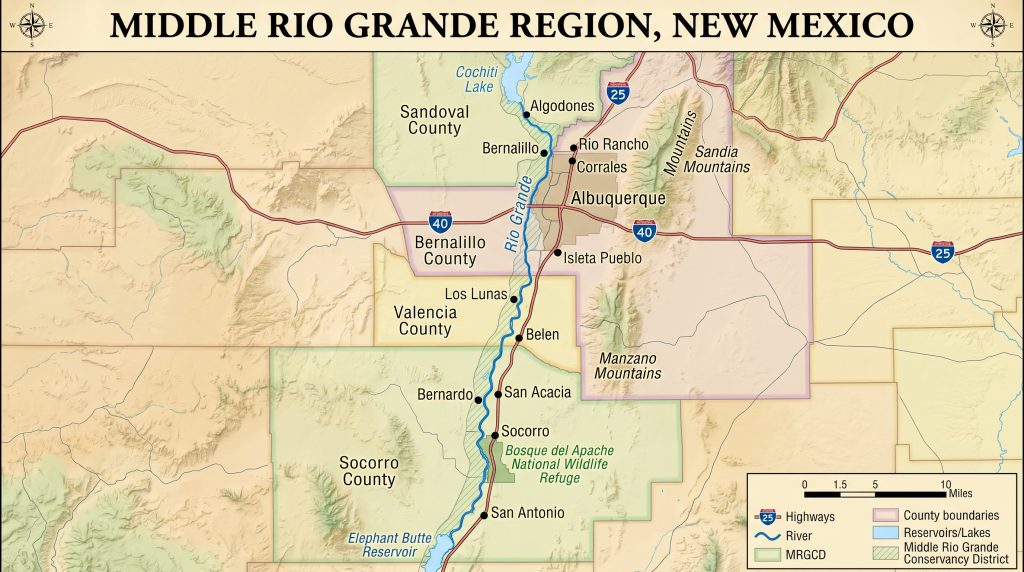
State Engineer Order No. 200 establishes the Middle Rio Grande Water Master District, which encompasses portions of five New Mexico counties:
-
Sandoval County.
-
Bernalillo County.
-
Valencia County.
-
Socorro County.
-
Sierra County.
The district primarily includes the irrigated Rio Grande Valley and surrounding areas between Cochiti Reservoir and Truth or Consequences.
The official district boundaries are described in Order No. 200 and shown on a map attached to that order. The district includes lands within the Middle Rio Grande Conservancy District but excludes lands of Indigenous Pueblos, Tribes and Nations.
The orders also exclude the water rights and claims of those Indigenous communities.
Which Wells Must Have Water Meters?
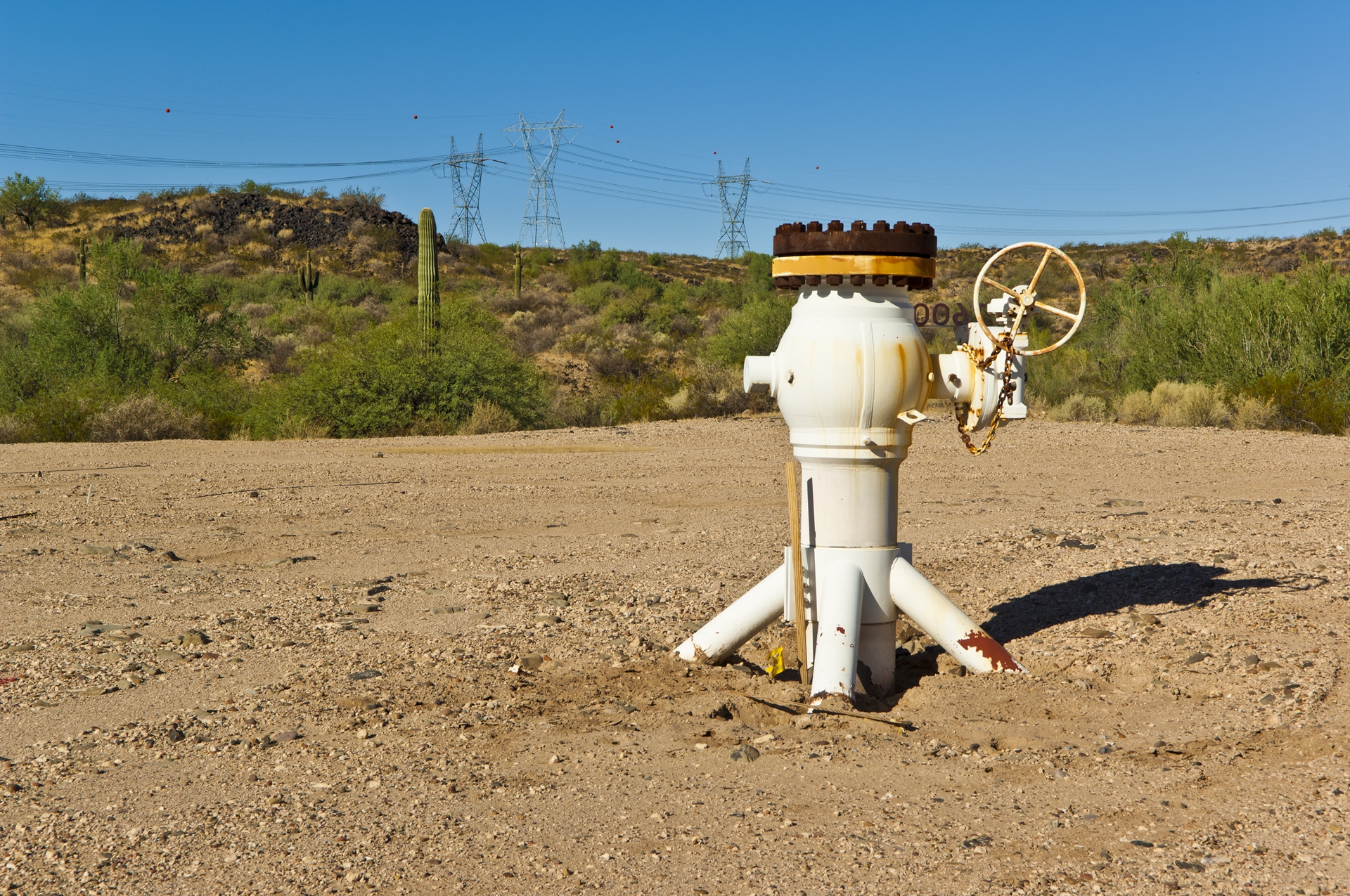
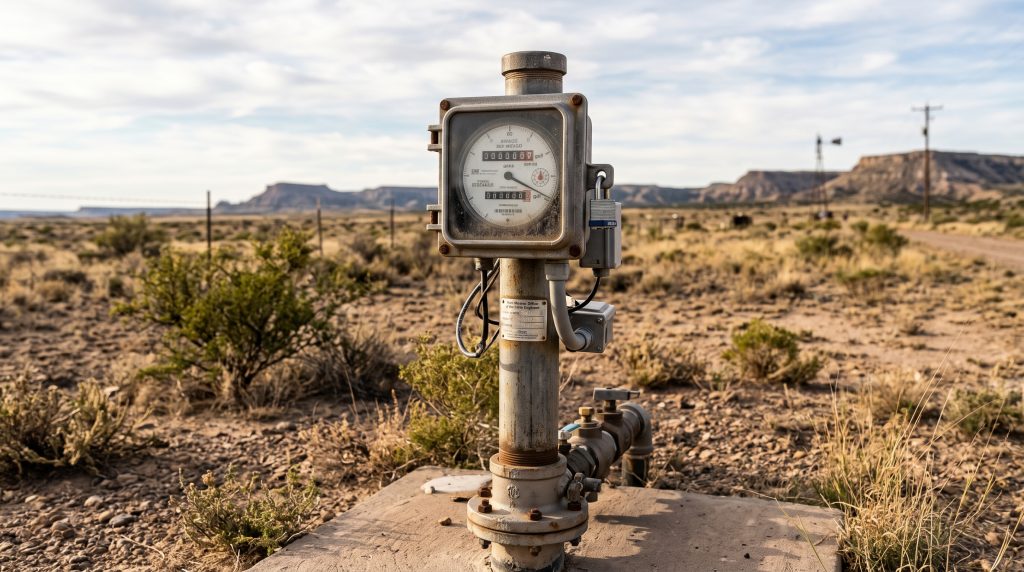
Under State Engineer Order No. 201, most existing groundwater wells and all new groundwater wells within the district must be equipped with an approved totalizing flow meter.
A totalizing flow meter keeps a running record of how much water is pumped from a well. Its purpose is to measure water use, not to generate a water bill.
The requirements apply to agricultural, commercial, industrial and municipal wells, as well as shared household wells and new domestic and livestock wells.
According to the State Engineer, all municipal wells in the Middle Rio Grande are already metered. However, many of the region’s largest groundwater wells are not measured or their water use is not reported.
Which Existing Wells Are Exempt?
The metering order provides two primary exceptions:
-
An existing single well on a parcel that serves only the domestic needs of one household, including irrigation of one acre or less of noncommercial trees, lawns or gardens.
-
An existing well used exclusively to water livestock in a grazing operation.
These exceptions do not extend to newly constructed domestic or livestock wells.
Even existing wells that otherwise qualify for an exception could be required to have meters under certain circumstances.
The Water Master will require metering when activities on a property indicate that a well is likely to be pumping more water than legally authorized. Examples include irrigation exceeding one acre, a pond of any size or other activities that could result in excessive groundwater withdrawals.
The State Engineer also retains the authority to require metering of currently exempt water uses in the future, including surface water diversions.
Important Deadlines for New Mexico Well Owners.
Affected well owners should pay particular attention to the following deadlines established by Order No. 201.
| Deadline | Requirement |
|---|---|
| March 1, 2028 | Required meters must be installed and operational. |
| Within 10 days of installation | Submit the required meter installation form and photograph. |
| January 10 annually | Submit meter readings for domestic wells subject to metering. |
| January 10, April 10, July 10 and October 10 | Submit quarterly readings for nondomestic wells. |
| At least once every three years | Calibrate meters according to industry standards. |
| Within 30 days of meter failure | Repair broken or malfunctioning meters. |
| Within 30 days of receiving a Notice of Violation | Contact the Water Master with evidence of good-faith compliance. |
| Within 30 days of receiving a Compliance Order | Submit a written request for an administrative hearing, if desired. |
Existing water permits, licenses or other State Engineer documents requiring more frequent reporting will take precedence over the general reporting schedule.
The State Engineer’s public information handout also instructs well owners to submit their meter information and an initial reading by March 1, 2028.
After March 1, 2028, groundwater pumping from wells subject to the order is prohibited unless the wells are properly metered.
An Important Difference in Reporting Instructions.
Well owners should be aware of a discrepancy between the signed metering order and the state’s explanatory fact sheet.
The fact sheet indicates that new domestic and livestock wells must report meter readings annually by December 31 or another date established by the State Engineer. However, the signed order establishes a January 10 annual reporting deadline for domestic wells and does not specifically provide an annual reporting exception for livestock wells.
Owners of affected wells should confirm their reporting deadlines with the Office of the State Engineer, particularly those with livestock wells or permits containing specific reporting conditions.
Purchasing and Installing a Water Meter.
Not every water meter will satisfy the state’s requirements. Well owners must select a make and model acceptable to the State Engineer.
Order No. 201 establishes several minimum requirements:
-
Meters must have a rated accuracy within 2 percent of actual water flow.
-
Installed meters and associated recording equipment must measure water flow within 10 percent of actual flow.
-
Meters must be calibrated upon installation and at least once every three years thereafter.
-
Meters must record the total volume of water pumped and either display or allow calculation of the flow rate.
-
Meter displays must be non-resettable and have waterproof and tamperproof seals.
-
Measurement units and any necessary multipliers must be clearly identified.
A list of approved meters will be available through the Office of the State Engineer’s District 1 office and website.
Well owners are responsible for installing, inspecting, maintaining, and repairing their meters. Installation must follow the manufacturer’s specifications, and no water may be diverted between the wellhead and the meter.
Owners must also provide state representatives with access to meters for reading, inspection and testing.
What Happens After a Meter Is Installed?
Within 10 days of installing a meter, the well owner must submit two items to the Office of the State Engineer:
-
A completed Well Completion and Meter Installation Form.
-
A clear photograph of the meter cover and face showing all identifying details.
The required form is available through the State Engineer’s website or District 1 office in Albuquerque.
Well owners must also notify the District 1 office in writing whenever a meter is serviced, repaired or replaced. Meter readings taken before and after the work must accompany the notification.
If a meter or its recording register is replaced, a new Well Completion and Meter Installation Form must be submitted.
Three Ways to Report Water Use.
The State Engineer provides three options for submitting required meter readings.
Online: The state’s preferred method is its Meter Reading Web Application, also known as MRWeb.
Email: Meter readings may be submitted to the District 1 office’s designated meter reporting email address: dist1.meterreadings@ose.nm.gov.
Written reports: Well owners may submit written reports to the District 1 office using an acceptable form.
Written reports must include the State Engineer’s file number for the well, the dates of the readings, the meter’s serial number, the number of moving meter dials, measurement units and any applicable multiplier.
What Happens if a Water Meter Breaks?
A broken water meter could temporarily prevent a well owner from legally pumping groundwater.
Under Order No. 201, well owners must immediately notify the Office of the State Engineer when a meter breaks or fails to operate properly.
Groundwater pumping must stop unless an acceptable alternative method of estimating water use is available.
For example, operating-hour meters or electrical meters associated with the well pump may be used to estimate groundwater withdrawals if the State Engineer accepts the method. Estimates based on operating hours must account for the pump’s listed capacity.
Broken or malfunctioning meters must be repaired within 30 days of the date they stopped working properly.
Failure to Comply Could Result in Daily Penalties.
The metering order establishes a five-step enforcement process for wells and meters that do not comply with the new requirements.
Step 1: Field inspection. The Water Master or other state representatives may inspect wells and meters. Equipment that does not comply will be tagged, and violations will be documented with photographs.
Step 2: Notice of Violation. The Water Master will notify the well owner by certified mail. The notice will explain the violations and what must be done to correct them. Following issuance of the notice, the state may assess civil penalties for each day a violation continues.
Step 3: Owner response. The well owner has 30 days from receipt of the notice to contact the Water Master and provide evidence of a good-faith effort to comply. The Water Master may temporarily suspend further enforcement and establish a new compliance deadline.
Step 4: Compliance Order. If the owner fails to respond or demonstrate a good-faith effort to comply, the matter will be referred to the State Engineer’s Administrative Litigation Unit for issuance of a formal Compliance Order.
Step 5: Opportunity for a hearing. The owner has 30 days from receipt of the Compliance Order to request an administrative hearing in writing. Otherwise, the order becomes final and enforceable.
The state’s informational handout also explains that groundwater pumped beyond an authorized amount must be compensated for through reduced water use or water rights transfers.
Can Well Owners Request an Exception?
The metering order recognizes that complying with certain requirements may be impractical or create unreasonable hardship in some circumstances.
Well owners may submit written requests for individual exceptions, known as variances, to the Water Master.
The Water Master has discretion to approve a variance if the circumstances justify it.
Alternative devices or methods of measuring groundwater withdrawals are not permitted in place of totalizing flow meters without written authorization from the Water Master or State Engineer.
What Is a Water Master, and What Authority Will One Have?
The companion order, State Engineer Order No. 200, creates the Middle Rio Grande Water Master District on a permanent basis.
In the coming months, the Office of the State Engineer plans to appoint a Water Master and supporting team to oversee water use throughout the district.
The Water Master’s responsibilities extend beyond installing meters and collecting groundwater data. They include:
-
Stopping illegal water diversions, including pumping without a water right or exceeding authorized amounts.
-
Measuring and reporting water use throughout the district.
-
Enforcing State Engineer orders.
-
Administering agreements among water right owners.
-
Restricting water diversions that are determined by the State Engineer to be harming older, higher-priority water rights.
-
Coordinating water management with the United States Bureau of Reclamation and the Middle Rio Grande Conservancy District.
The Water Master will be an employee of the Office of the State Engineer. The state will pay the Water Master’s compensation and expenses.
The State Engineer may also establish smaller administrative districts and appoint additional water masters if necessary.
Order No. 200 does not change the existing authority or responsibilities of the Middle Rio Grande Conservancy District, including its responsibility for distributing and allocating water within the conservancy district.
Why Groundwater Pumping Affects the Rio Grande.
Although groundwater is hidden beneath the Earth’s surface, it is closely connected to the Rio Grande.
Pumping groundwater in the Middle Rio Grande can reduce the amount of water flowing through the river. That reduction affects water deliveries downstream, including how much water reaches Elephant Butte Reservoir.
Under the Rio Grande Compact, New Mexico receives water from Colorado and must meet legally required water delivery obligations at Elephant Butte Reservoir. Water from the reservoir serves downstream users in both New Mexico and Texas.
Managing groundwater and surface water together is known as conjunctive management. The practice recognizes that pumping water from underground can affect the availability of surface water.
The state already requires water rights to offset reductions in river flows caused by groundwater pumping under applicable water management requirements.
However, incomplete information about groundwater withdrawals makes it difficult for the State Engineer to accurately calculate those impacts, evaluate water rights applications, protect existing water rights and prepare for drought.
The new metering requirements are intended to improve the information available to water managers.
The Rio Grande’s Water Is Already Legally Spoken For.
The Rio Grande is considered fully appropriated. In simple terms, the river’s available water supply has already been legally allocated.
The State Engineer explains that new water uses in the fully appropriated system must come from transfers of existing, valid water rights through the state’s permitting process.
New Mexico administers water rights under the legal principle of prior appropriation, commonly described as “first in time, first in right.”
Under this principle, older water rights generally have priority over newer water rights.
However, many water rights in the Middle Rio Grande have not yet been fully examined and confirmed through a court proceeding known as a water rights adjudication. Consequently, the precise quantities and priorities of many water rights have not been judicially determined.
Metering Is Not a Temporary Drought Measure.
The Middle Rio Grande is not the first region of New Mexico to operate under this type of water management system.
The Lower Rio Grande has operated under similar water master district and metering orders since 2004.
The Office of the State Engineer describes increased water administration in the Middle Rio Grande as a lasting response to water scarcity, rather than a temporary emergency measure.
The agency identifies three central principles behind its approach:
Predictability: Consistent administration can help reduce unexpected disruptions to water users while ensuring compliance with state law and interstate agreements.
Fairness: Water management requirements should be applied consistently across different types of water users.
Measurement: Accurate records of water withdrawals provide information needed to manage limited water supplies.
Nearly all surface water diversions in the Middle Rio Grande are already measured, according to the State Engineer. The new groundwater metering requirements address remaining gaps in the region’s water use records.
A Practical Checklist for Middle Rio Grande Well Owners.
With the March 1, 2028, deadline approaching, well owners can begin preparing for the requirements by addressing the following items:
-
Determine whether the well is located within the new Water Master District.
-
Determine whether the well qualifies for an existing domestic or livestock well exception.
-
Review existing water permits, licenses and authorized pumping amounts.
-
Check whether existing meters satisfy the new technical requirements.
-
Obtain the state’s list of approved water meters.
-
Arrange for proper installation and calibration, if necessary.
-
Obtain the required meter installation and reporting forms.
-
Establish a schedule for submitting meter readings.
-
Maintain records of meter readings, repairs and calibration.
-
Contact the Office of the State Engineer about unusual circumstances, reporting discrepancies or potential hardship exceptions.
Where New Mexico Well Owners Can Get Help.
The New Mexico Office of the State Engineer has established an online information center dedicated to water management in the Middle Rio Grande.
Available resources include:
-
State Engineer Order No. 200 establishing the Water Master District.
-
State Engineer Order No. 201 establishing groundwater metering requirements.
-
Metering and Water Master Order Overview.
-
Information about groundwater metering and shared wells.
-
Lists of approved meters and licensed well drillers.
-
Meter installation, maintenance and reporting guides.
-
Middle Rio Grande local administration information in English and Spanish.
-
Rio Grande Compact fact sheets in English and Spanish.
-
Texas v. New Mexico settlement information in English and Spanish.
-
Regional water planning materials.
Office of the State Engineer, District 1
Address:
5550 San Antonio Drive NE
Albuquerque, New Mexico 87109
Telephone: (505) 383-4000
Fax: (505) 383-4030
Meter reading email: dist1.meterreadings@ose.nm.gov
Middle Rio Grande information center:
https://ose.nm.gov/MRG/index.php
District 1 website:
https://www.ose.nm.gov/DO/district_1.php