
- Utah reservoirs are averaging 68% full, sitting 7% below normal and 18% below last year’s levels at this time.
- More than 230 wildfires have already burned across Utah this year, with most sparked by human activity.
- Lake Powell stands at just 24% of its storage capacity, among the lowest June levels ever recorded.
- Fire officials report wildfire behavior is escalating a couple of weeks earlier than typical for this time of year.
- The Great Salt Lake sits about 3.5 feet above its record low, but officials are watching closely as another hot, dry summer unfolds.
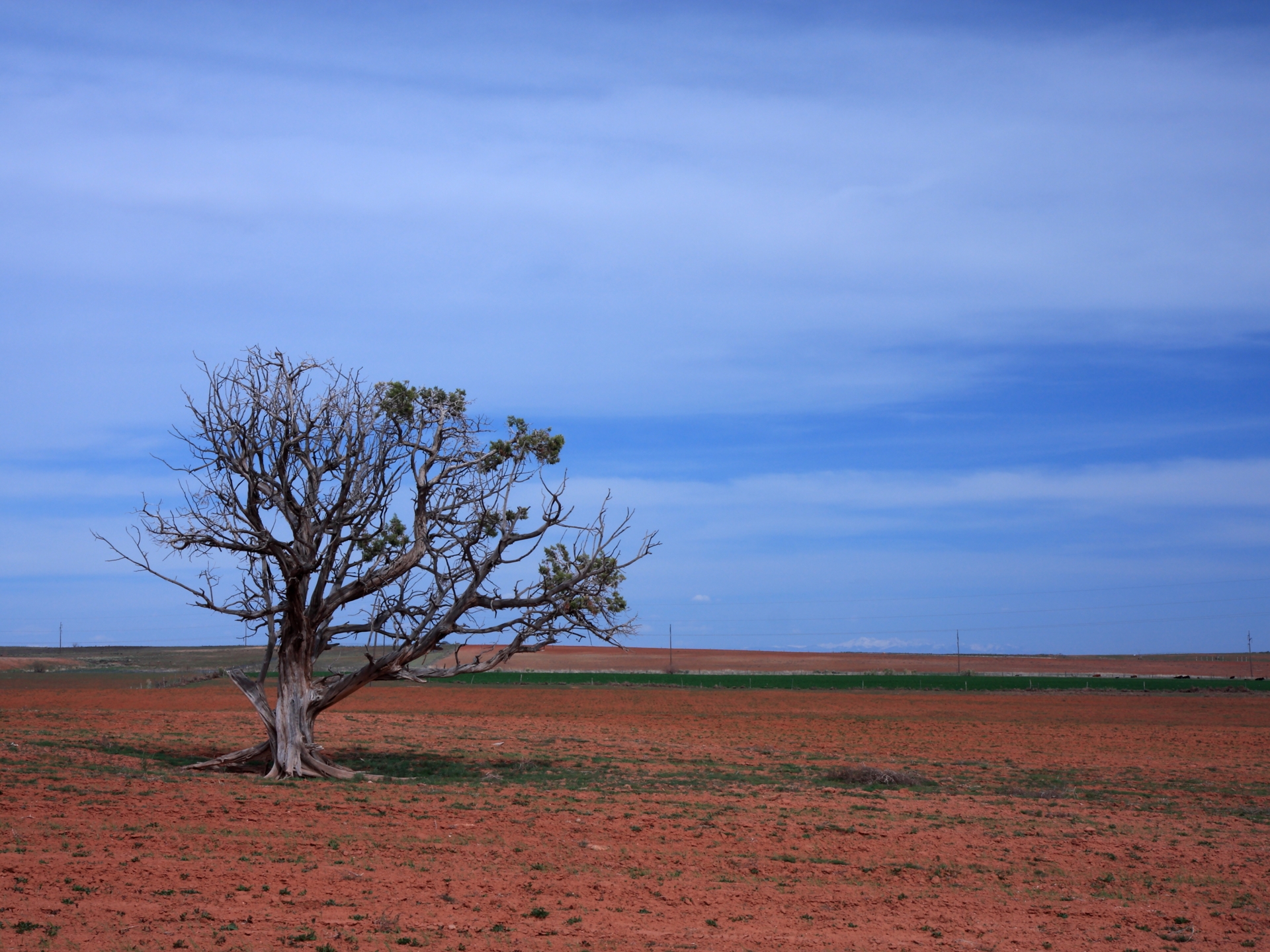
Tuesday, June 16, 2026 — Utah is running low on water, burning earlier than usual, and bracing for a long, difficult summer.
State officials released a drought update on June 11, 2026, painting a picture of a state under growing pressure from heat, dry soils, and shrinking water supplies. The numbers are striking — and the warnings from water managers, fire officials, and wildlife experts are hard to miss.
Reservoirs Are Running Short.
Across Utah, reservoirs are sitting at an average of 68% of their total storage capacity. That sounds decent on the surface. But that figure is 7 percentage points below normal for this time of year, and 18 points below where things stood at this same moment in 2025.
The shortfall is hitting Utah state parks hard. Water levels at many recreational lakes have dropped so low that some parks have been forced to close their boat launch ramps to protect visitors and their equipment.
Lake Powell, the massive Colorado River reservoir straddling Utah and Arizona, is particularly striking. As of June 1, 2026, it held only 24% of its total capacity. According to the Natural Resources Conservation Service’s June 1 Water Supply Outlook Report for Utah, the only years on record when Lake Powell sat lower on June 1 were in the mid-to-late 1960s, when the reservoir was first being filled.
Water Is Moving Fast — and Disappearing Even Faster.
Part of the problem is timing. Warmer spring temperatures pushed snowmelt to run off earlier than usual, meaning river systems got their peak flows ahead of schedule. Now, as summer heat arrives and water demand climbs, many of those same systems are already tapering off.
“Cooler temperatures have helped slow runoff in recent weeks, but we still anticipate significant water right regulation and delivery reductions throughout June as available water supplies continue to tighten across many river systems,” said Everett Taylor, the Field Services Assistant State Engineer for the Utah Division of Water Rights.
Around the state, conditions vary by basin, but the trend is consistent:
- In the Bear River watershed, streamflows remain higher than they were during the same period in the drought year of 2021, but much of that water arrived earlier than normal.
- In the Upper Provo River area, flows also ran above 2021 levels through late May because of accelerated snowmelt, but nearby systems have already seen water-rights regulation kick in significantly earlier than usual.
- Along the Upper Duchesne River, conditions are running comparable to, and in some cases worse than, those seen during the 2021 drought.
- And along the Upper Sevier River, current water deliveries remain above 2021 levels, but officials expect reductions as summer demand increases.
“This drought will test our resiliency,” said Joel Ferry, executive director of the Utah Department of Natural Resources. “We have seen our peak stream flows well before our peak demand. We must do as much as we can to hold onto our stored water.”
Wildfire Season Arrived Early.
By June 11, 2026, more than 230 fires had already burned somewhere in Utah this year. Most of them, officials said, were caused by people.
Karl Hunt, public information officer for the Utah Division of Forestry, Fire and State Lands, tied the surge in fire activity directly to drought conditions. “With the extreme drought conditions that the state is experiencing, we are seeing an increase in wildfire activity,” Hunt said. “We encourage everyone to be vigilant and use your Fire Sense. The best way for us to fight a wildfire is to prevent one from starting. While recreating, we ask everyone not to target shoot around rocks and dry grass, don’t leave a campfire unattended and make sure your vehicle is properly maintained and trailer chains securely fastened.”
Over the week prior to the June 11 update, two separate fires burned more than 1,000 acres each. Fire managers pointed to low fuel moisture levels in grasses and sagebrush, combined with strong, dry “red flag” winds as the key factors. Officials noted that fire behavior is intensifying about two weeks earlier than is typical for this point in the summer.
Fire restrictions are already in place across parts of southern Utah. As of June 5, 2026, Stage 1 fire restrictions took effect in Beaver, Garfield, Iron, Kane, and Washington counties.
A Warning for the Great Salt Lake.
The Great Salt Lake is getting extra scrutiny this summer. The lake’s water level naturally drops during the hot months due to evaporation, losing an average of about two feet of elevation each summer. Given the drought conditions, officials are watching closely.
The good news, for now, is that the lake is sitting approximately 3.5 feet above the record low it reached in the summer of 2022.
“With what’s looking like another hot and dry summer we expect impacts to Great Salt Lake,” said Hannah Freeze, deputy director of the Great Salt Lake Commissioner’s Office. “We don’t expect the lake to hit new record lows this year, however, as it is currently sitting close to 3.5 feet above its record low in the summer of 2022. We continue to urge all Utahns to incorporate all conservation measures as we face extreme drought across the state.”
Algae, Wildlife, and Gardens.
Drought does not just affect reservoirs and rivers. It ripples into everyday life in ways that can catch people off guard.
State officials are warning that Harmful Algal Blooms, sometimes called blue-green algae, may be appearing earlier than normal on Utah lakes and reservoirs this year due to warm water temperatures. These blooms can be dangerous to people and pets. Current water advisories are tracked through the state’s dedicated monitoring site.
Wildlife is also feeling the pressure. As natural food and water sources dry up, deer and other animals are venturing into neighborhoods and yards in search of both. State wildlife officials strongly discourage residents from feeding wildlife, noting that it can create public safety risks, spread disease, and cause animals to lose their natural wariness of people. The most effective way to keep deer out of a garden, officials said, is an eight-foot fence. Motion-activated sprinklers and plants that deer find unpalatable are other options.
Farmers Facing Tough Choices.
Agricultural producers across Utah are dealing with tightening seasonal water supplies. The Utah Department of Agriculture and Food is urging farmers to sharpen their water-use efficiency by optimizing irrigation schedules, monitoring soil moisture closely, and considering precision agriculture technologies that stretch every drop of water as far as possible.
The Bigger Picture.
Laura Haskell, drought coordinator for the Utah Division of Water Resources, put the moment in perspective. “Increasing drought impacts across the state remind us how connected we are with nature,” Haskell said. “Recently, we have seen some relief in parts of the state, but summer temperatures will worsen the situation for water, wildlife and wildfire risk.”
With the bulk of the summer still ahead, state officials say they will continue monitoring conditions, administering water rights, and working with water users to navigate what is shaping up to be a difficult season.

 wpDiscuz