
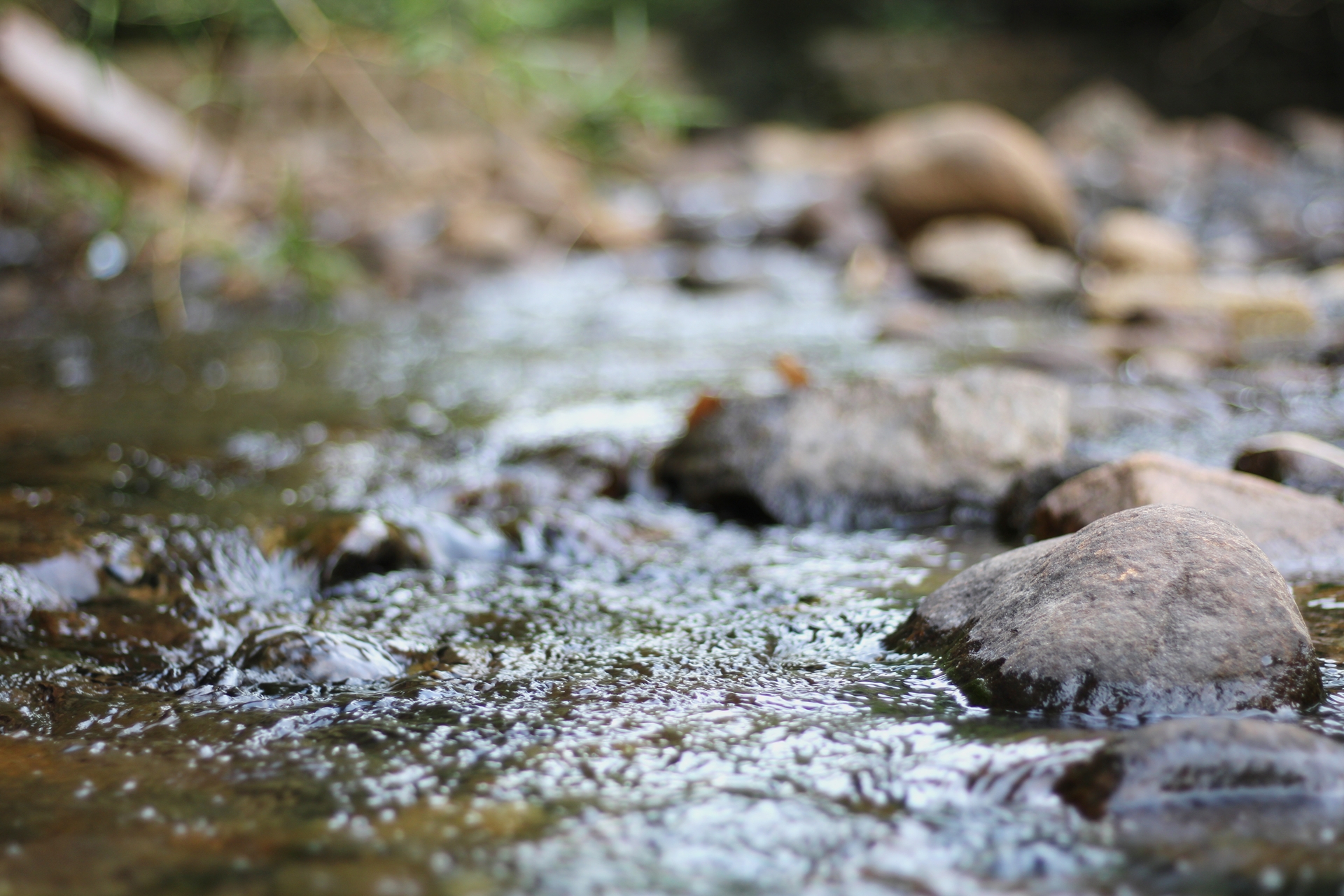
- Federal agencies are considering more options for defining federally regulated waters.
- The definition affects when certain Clean Water Act permits are required.
- The agencies received more than 220,000 comments on their earlier proposal.
- A new 30-day comment period will open after the supplemental proposal is published.
- The final rule is intended to reflect the U.S. Supreme Court’s 2023 Sackett decision.
Friday, September 4, 2026 — The federal government is asking the public for another round of input on one of the most important and often disputed questions under the Clean Water Act: Which waters are covered by federal law?
The U.S. Environmental Protection Agency and Department of the Army announced today that they are preparing to consider additional regulatory language for defining “waters of the United States.” The term is often shortened to WOTUS. In practical terms, the definition helps determine where federal Clean Water Act requirements apply and when federal permits may be required for certain activities.
The new supplemental proposal will be considered alongside a rule proposed in 2025.
Why the Definition Matters.
The definition of “waters of the United States” establishes the reach of federal regulatory programs under the Clean Water Act.
That can matter to landowners, farmers, ranchers, developers, energy producers, technology companies and other businesses because the definition helps determine when certain activities require federal permits.
Not every body of water is necessarily subject to federal jurisdiction.
Waters that fall outside the federal definition may still be regulated under state, Tribal or local laws.
Agencies Consider More Options.
The Environmental Protection Agency and Army said the supplemental proposal will allow them to consider a wider range of regulatory options before adopting a final rule.
The agencies said they are working toward a definition that complies with the U.S. Supreme Court’s 2023 decision in Sackett v. EPA.
“The EPA’s goal is a durable WOTUS definition that follows the law and ends burdensome regulatory uncertainty,” Environmental Protection Agency Administrator Lee Zeldin said in announcing the proposal.
The agencies said the new proposal does not eliminate options contained in the original 2025 proposal and does not predetermine what the final rule will say.
More Than 220,000 Comments Already Received.
The latest announcement follows an extensive public participation process.
Before issuing the 2025 proposed rule, the agencies opened a public recommendations docket, held listening sessions and consulted with Tribes, states, local governments and associations representing those governments.
The agencies later held three public meetings and opened a 45-day comment period on the proposed rule.
That comment period closed on January 5 and generated more than 220,000 comments from stakeholders.
The supplemental proposal will provide another opportunity for public participation, but this round will focus on a limited number of additional regulatory alternatives.
Another 30-Day Comment Period Coming.
The new comment period has not yet begun.
Once the supplemental proposal is published in the Federal Register, the Environmental Protection Agency and Army will accept public comments for 30 days.
The agencies will consider those comments together with the options and public input already received as they continue work on the final definition.
The final rule will determine the scope of waters covered by federal Clean Water Act regulatory programs while leaving waters outside federal jurisdiction subject to applicable state, Tribal and local laws.

 wpDiscuz