- The Tenth Circuit reversed a lower-court ruling that had blocked Denver Water from enlarging and filling Gross Reservoir.
- The September 15 ruling found the Army Corps of Engineers adequately considered project purpose, costs and climate change.
- The Court vacated the permanent injunction and ordered judgment against the environmental groups.
- The expanded reservoir can hold an additional 77,000 acre-feet of water.
- The ruling reverses a major legal setback for a project that Denver Water has pursued for more than two decades.
Wednesday, September 16, 2026 — A federal appeals court has reversed a lower-court ruling that stopped Denver Water from enlarging and filling Gross Reservoir , clearing a major legal obstacle for the long-running water project northwest of Boulder.
In a decision filed September 15, 2026, the United States Court of Appeals for the Tenth Circuit ruled that the U.S. Army Corps of Engineers did not violate the Clean Water Act or National Environmental Policy Act when it approved a federal permit for the project.
The three-judge panel reversed the district court and vacated the permanent injunction that had prevented Denver Water from filling the reservoir. The appeals court sent the case back with instructions to enter judgment against the environmental groups that challenged the project.
The ruling marks a dramatic turn in litigation that had left the future of the reservoir expansion uncertain.
A Project More Than Two Decades in the Making.
Denver Water began pursuing the Moffat System Collection Project after a 2002 water-management study predicted that customer demand would eventually exceed available supplies.
The project involved raising Gross Dam by 131 feet, allowing Gross Reservoir to hold another 77,000 acre-feet of water. The additional water would come in part from the Fraser and Williams Fork rivers on the Western Slope, within the Colorado River Basin.
Because construction would place fill in South Boulder Creek at the base of the dam, Denver Water needed a federal Clean Water Act permit from the Army Corps of Engineers.
The Corps began reviewing the application in 2003. A draft environmental impact statement followed in 2009, the final environmental impact statement was issued in 2014, and the Corps granted the permit in 2017.
The appeals court described an extensive federal review. The final environmental impact statement alone filled 10 volumes, while the complete administrative record approached 200,000 pages.
Construction began in 2022. Major construction was completed in 2026, according to the appellate decision. The court said the project cost about $600 million based on the record, although attorneys for the environmental groups told the court during oral arguments that the cost had exceeded $800 million.
The enlarged reservoir has not yet been filled.
Environmental Groups Challenged the Permit.
Save the Colorado, The Environmental Group, WildEarth Guardians, Living Rivers, Waterkeeper Alliance and Sierra Club sued the Army Corps of Engineers in 2018.
Their case focused largely on how the Corps evaluated alternatives before granting the permit.
The environmental groups argued that the Corps defined the project’s purpose too narrowly, used an inadequate method for comparing costs and failed to sufficiently evaluate how climate change could affect future streamflows and the project’s ability to provide water.
Those arguments prevailed in federal district court.
In 2024, Senior U.S. District Judge Christine M. Arguello found violations of the Clean Water Act and National Environmental Policy Act.
The legal consequences became much more significant in April 2025. The district court vacated the federal permit and imposed a permanent injunction against enlargement of the reservoir, including tree removal, water diversion and impacts to wildlife. The court initially stopped additional dam construction, although it later allowed construction needed for public safety and structural integrity.
Denver Water and the federal government appealed.
Appeals Court Disagrees With Lower Court.
The Tenth Circuit reached a different conclusion.
One major dispute concerned how the Army Corps defined the project’s purpose.
Denver Water was trying to accomplish more than simply adding water. Its North System, also called the Moffat Collection System, and its much larger South System are not connected. According to the court, the North System serves about 10 percent of Denver Water’s customers and the South System serves about 90 percent.
The Corps therefore evaluated the project based on related goals, including increasing the water supply and reducing Denver Water’s heavy reliance on its South System.
Environmental groups argued that defining the project that way improperly eliminated alternatives.
The appeals court rejected that argument. It found that federal regulations allow the Corps to consider several related purposes when deciding whether alternatives are practical.
The court also noted that 34 alternatives survived the Corps’ first round of screening, and only 10 of those required expansion of Gross Reservoir.
Court Upholds Cost Analysis.
The appeals court also disagreed with the district court over the Corps’ method for comparing project costs.
The Corps estimated capital costs for the alternatives and then added 50 percent to account for additional expenses. Denver Water proposed the methodology, but the appeals court found that the Corps independently reviewed it with a third-party consultant.
That consultant cautioned that the method should not be used to establish an actual construction budget because final costs could differ substantially. But the consultant also concluded that the method provided a useful estimate for comparing alternatives.
The appeals court found that the Corps’ choice of cost methodology was not arbitrary or capricious.
Climate Change Was a Central Question.
Climate change presented another important dispute.
During the environmental review, the Corps recognized that warmer temperatures could change the timing and amount of mountain streamflow.
Earlier runoff could create problems because water might be available at times when Denver Water could not divert it under its water rights. Lower streamflow could also reduce the amount of water available for diversion.
Comments submitted during the federal review challenged the Corps’ decision not to quantitatively model those effects. One model cited by commenters projected that firm water yield could decline between 7 and 14 percent with temperature increases of 2 to 5 degrees Fahrenheit.
The Corps nevertheless concluded that available climate and hydrology models contained too much uncertainty to reliably translate rising temperatures into specific changes in streamflow or reservoir levels.
The Tenth Circuit did not decide whether one scientific position was better than another. Instead, it considered whether the Corps had examined the issue and reasonably explained its decision.
The appeals court concluded that it had.
The court said the record showed that the Corps considered whether climate change could reduce streamflow and affect the project’s ability to produce its planned water supply. The Corps also relied on decades of water data and its own independent analysis in determining that the project could provide the planned firm yield.
The court ultimately found that the Corps had a rational basis for declining to quantitatively model climate change impacts and that courts should defer to the agency’s technical judgment when the record reasonably supports it.
What the September 15 Ruling Does.
The decision reverses the district court’s findings that the Army Corps violated the Clean Water Act and National Environmental Policy Act.
It also eliminates the permanent injunction that had prevented Denver Water from using the newly created reservoir capacity.
The expanded Gross Reservoir now stands ready to hold an additional 77,000 acre-feet of water after a project that raised the dam 131 feet.
The September 15 decision does not erase the environmental concerns that produced years of litigation. Instead, it resolves the legal question before the appeals court differently from the district court. The Tenth Circuit found that the Army Corps’ decisions on project purpose, cost, and climate change were sufficiently explained and supported by the administrative record.
For Denver Water, that ruling removes the federal court injunction that had prevented the expanded reservoir from being filled.
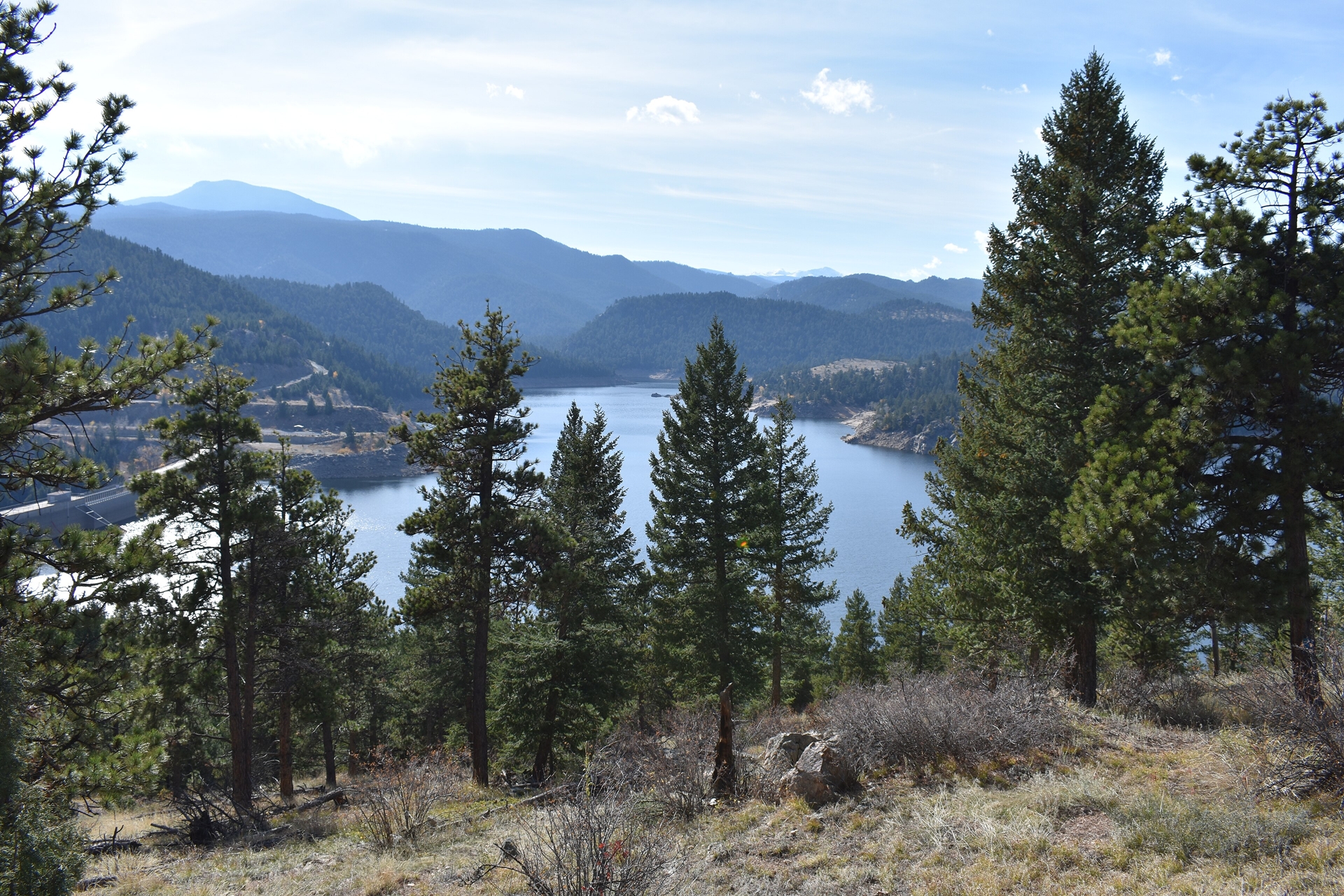
Pictured: Gross Reservoir , SOTMUS, October 2017. Licensed under the Creative Commons Attribution-Share Alike 4.0 International license.