- EPA scientists will screen drinking water for more than 1,000 potential contaminants.
- The study will look for pharmaceuticals, forever chemicals and other pollutants.
- A newer testing approach can detect substances researchers did not specifically set out to find.
- The research goes beyond conventional methods that test for a limited number of known chemicals.
- Results could help EPA decide which contaminants need additional research or future action.
Thursday, September 10, 2026 — The U.S. Environmental Protection Agency is launching a broad new study to find out what may be hiding in the nation’s drinking water.
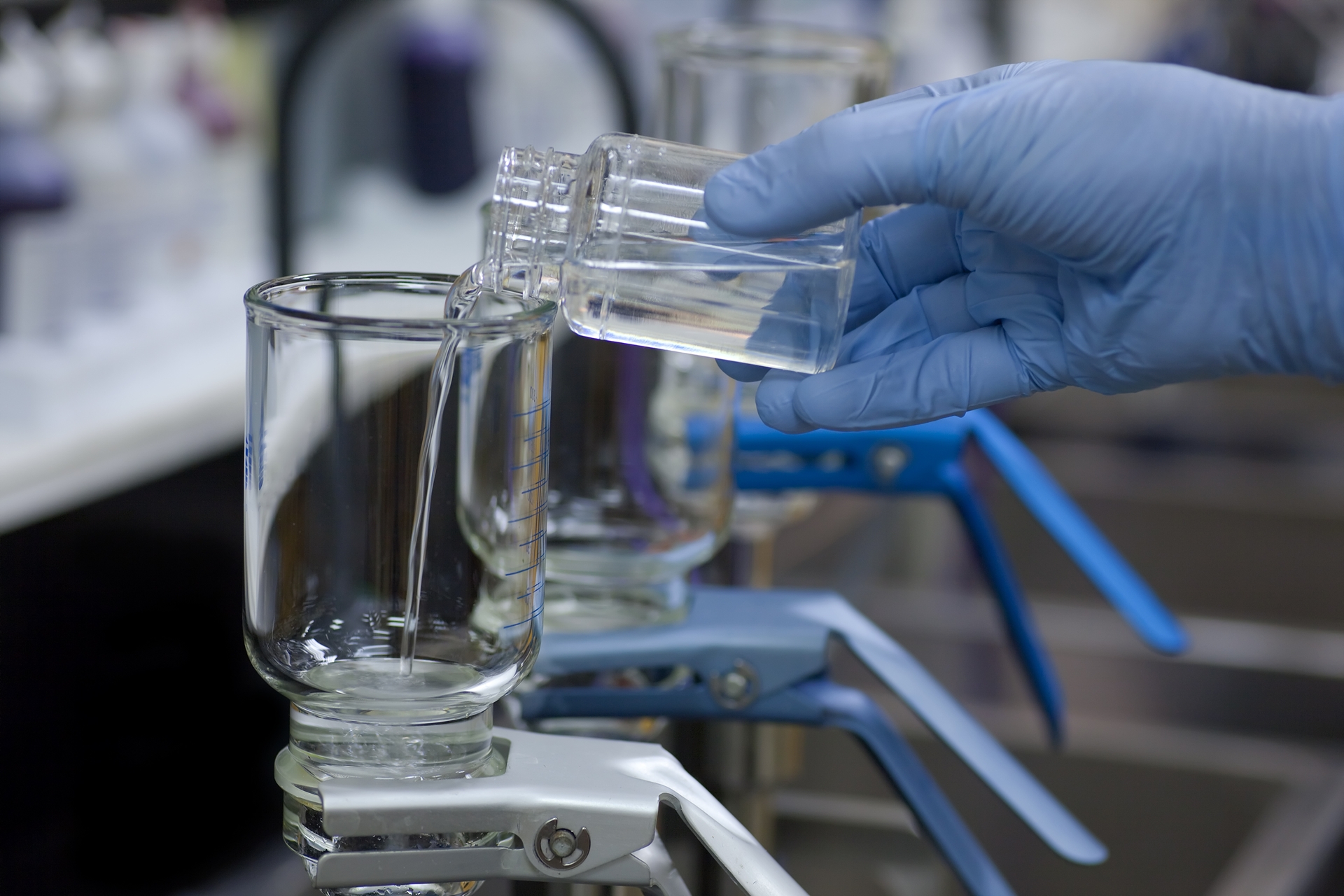
The agency announced the research on September 9 , saying scientists will use advanced testing methods to screen drinking water for pharmaceuticals, forever chemicals and more than 1,000 other potential contaminants.
This approach differs from traditional water testing. Instead of looking only for a short list of specific chemicals, researchers can cast a much wider net.
Looking Beyond the Usual List.
Conventional laboratory testing generally starts with a question: Is a particular chemical in this water?
Scientists then use a testing method designed to look for that substance.
The new EPA study will also use what is called “non-targeted analysis.” Rather than searching only for predetermined chemicals, the method allows researchers to scan a water sample for thousands of potential substances.
That could reveal chemicals that might otherwise go unnoticed because researchers were not specifically looking for them.
EPA said the technique can help identify unknown pollutants present in drinking water samples.
The study does not mean those substances have been found in drinking water or that any detected substance necessarily poses a health risk. Instead, the research is intended to give scientists a broader picture of what may be present and help EPA determine where additional research or action may be warranted.
Pharmaceuticals and Forever Chemicals Included.
Among the substances EPA plans to investigate are pharmaceuticals and per- and polyfluoroalkyl substances, commonly referred to as PFAS or, more generally, as forever chemicals.
EPA Administrator Lee Zeldin said concerns about substances that may not be detected through conventional testing helped prompt the study.
“We have heard loud and clear that Americans are concerned about potential unknown pollutants lurking in their drinking water,” Zeldin said.
He said the findings would complement work already being conducted under the federal Safe Drinking Water Act.
U.S. Department of Health and Human Services Secretary Robert F. Kennedy Jr. also pointed to the broader scope of the testing.
“Americans have a right to know what is in the water they drink,” Kennedy said.
Part of a Larger Look at Unregulated Contaminants.
The new research is separate from, but related to, other EPA programs examining substances that are not currently regulated in drinking water.
Earlier in 2026, EPA released a draft of its Sixth Contaminant Candidate List. That process helps the agency identify unregulated contaminants that may require additional research, information gathering or consideration for future regulation.
For the first time, the draft list identifies microplastics and pharmaceuticals as priority contaminant groups.
In June, EPA also proposed its Sixth Unregulated Contaminant Monitoring Rule. If finalized as proposed, that rule would require monitoring for 30 unregulated contaminants using existing approved testing methods.
The new non-targeted analysis study takes a different approach. Because researchers can scan samples for a much broader range of substances, EPA said the work could help fill gaps left by programs that focus on predetermined contaminants.
What Happens After Scientists Find Something?
Finding a chemical in a water sample is only one part of the scientific process.
EPA said the information gathered through the study will help the agency decide where to prioritize future research and other actions.
The September 9 announcement did not provide a timetable for completing the study or releasing its findings.
For now, the research represents a wider search for what may be present in drinking water, including substances that traditional testing may not have been designed to find.




 wpDiscuz