- All of Utah remains in some level of drought.
- Reservoirs average 50% full, excluding Lake Powell and Flaming Gorge.
- August monsoon storms improved mountain soil moisture across much of the state.
- Several Utah rivers continue to carry sharply reduced natural flows.
- Utah’s new water year begins Oct. 1.
Saturday, September 19, 2026 — Utah is approaching the end of its water year with drought covering the entire state, reservoirs below normal and some rivers carrying only a fraction of the water needed to satisfy direct flow rights.
But one encouraging sign is emerging heading into winter.
August monsoon storms improved mountain soil moisture across much of Utah. That moisture could become important when the snow begins to melt next spring.
The Utah Division of Water Resources reported the conditions Sept. 17 , as the state prepared for the beginning of a new water year on Oct. 1.
Reservoirs Sit Below Normal.
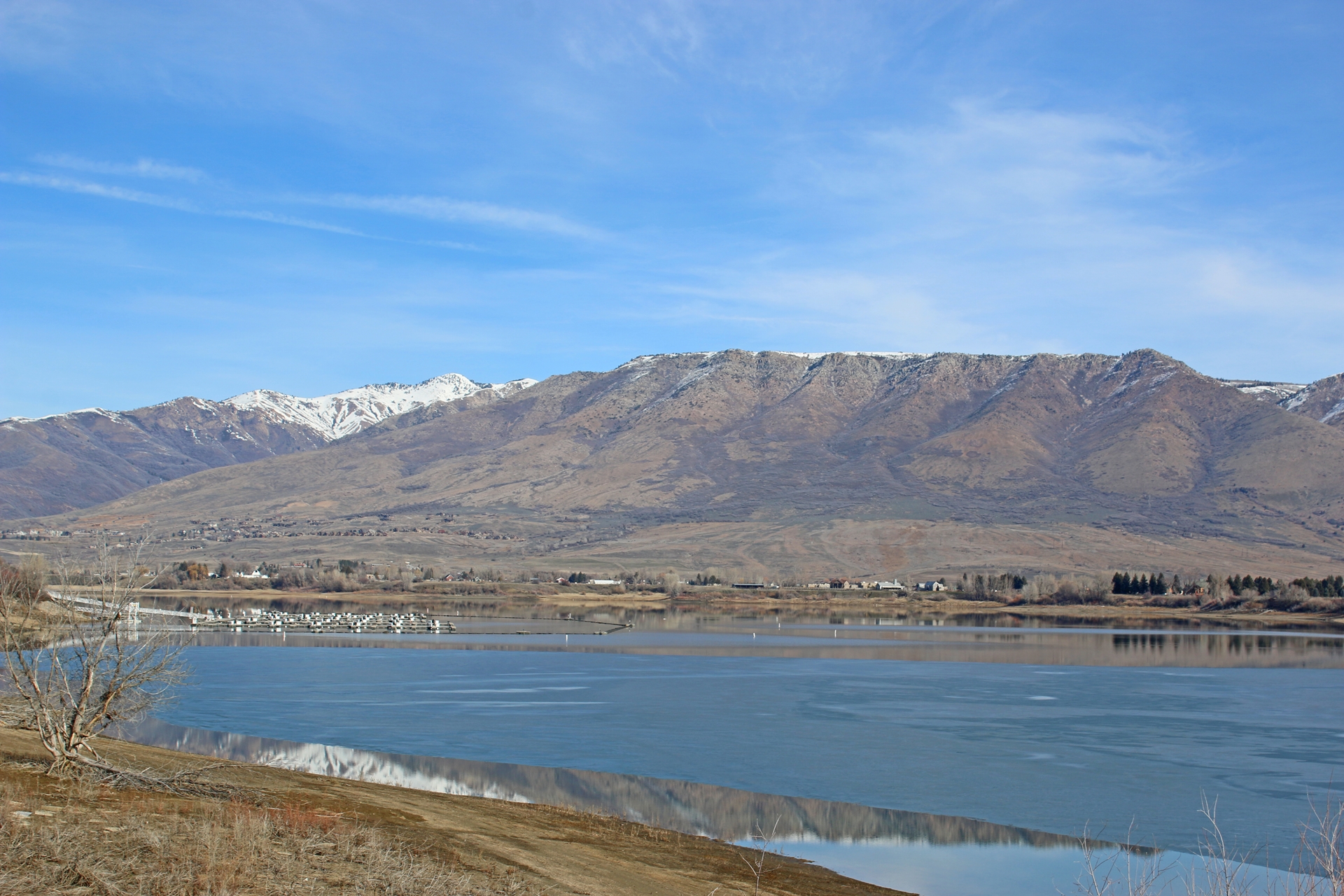
Utah’s reservoirs average 50% full, excluding Lake Powell and Flaming Gorge.
That is 9% below normal for this time of year and 13% below storage levels at the same time last year.
Not every reservoir responds to drought in the same way.
Large reservoirs such as Strawberry, Flaming Gorge and Jordanelle can store water across multiple years. That carryover storage can help cushion the effects of a single dry season.
Smaller reservoirs may hold only one or two years of water. They can drop much more quickly during drought and depend heavily on the next winter’s snowpack to refill.
Some reservoirs are already extremely low.
The water level at Palisade State Park is at 4%, and the boat ramp has been closed. State officials said boat ramps may be closed at low reservoir levels to protect visitors and their property.
Pineview Reservoir is also being drawn down, but drought and irrigation are not the only reasons. Ogden City needs lower water levels to perform construction and maintenance on a municipal drinking water pipeline beneath the reservoir.
Why Fall Soil Moisture Matters.
What happens to Utah’s soil before winter can influence what happens to its reservoirs next spring.
Dry mountain soil can act like a sponge. When snow melts, some of that water soaks into the ground instead of immediately reaching streams and reservoirs.
If the soil is already moist before it freezes, more of the spring snowmelt can move into streams and reservoirs.
August monsoon storms improved mountain soil moisture across most of Utah, according to the Division of Water Resources. The agency described that improvement as providing a solid foundation heading into winter.
Some Rivers Are Running Low.
Drought is also showing up in Utah’s rivers.
On the Upper Provo River, natural flow was just 7.4 cubic feet per second, providing about 2.4% of direct flow rights. Summer monsoon storms temporarily increased flows, but drought conditions continued.
The Upper Sevier River had a natural flow of 62 cubic feet per second, enough to provide about 10% of first-class direct flow rights. The Division of Water Resources said flows were less than half those recorded during the 2021 drought year.
The Upper Duchesne River was flowing naturally at 319 cubic feet per second, providing about 27.1% of direct flow rights. Flows remained below those seen during average and wet years and had steadily declined during the summer.
Conditions were somewhat better on the Bear River. Natural flow was 400 cubic feet per second, providing about 29% of direct flow rights. State officials said better snowpack, summer rainstorms and releases from storage helped support those flows.
Irrigation Season Is Winding Down.
The arrival of cooler weather also means Utah landscapes generally need less water.
“With shorter days and cooler evening temperatures, landscape water requirements decrease significantly,” Division of Water Resources Director Joel Williams said. “Irrigation timers should be adjusted down or turned off. Leaving automatic sprinklers on summer schedules leads to wasteful overwatering.”
Some secondary irrigation systems are already shutting down.
The Davis and Weber Counties Canal Company shut down its secondary water systems Sept. 15 because of the smaller-than-normal snowpack and runoff followed by a hot, dry summer.
State officials said other water providers may have similar shutdown dates.
Utah’s Water Calendar Starts Over Oct. 1.
Utah’s hydrologic water year runs from Oct. 1 through Sept. 30.
Instead of following the calendar year, the system gives water managers a 12-month period for tracking precipitation and water supplies through the seasons when that water accumulates and is later used.
As the 2026 water year ends, managers are looking at precipitation, streamflows and reservoir storage to establish the starting point for the coming winter snowpack season.
Those measurements begin the new water year against a difficult backdrop. As of Sept. 17, 100% of Utah was experiencing some form of drought.
The state had also recorded 1,190 wildfires during 2026.
Fall Brings a Change in Water Use.
State water officials are encouraging residents to adjust outdoor watering as temperatures fall.
Autumn is also considered a good time in Utah to plant waterwise trees, shrubs and perennial plants. Cooler air and soil allow roots to become established without the heat stress of midsummer, according to the Division of Water Resources.
The state continues to promote agricultural and residential water conservation programs as Utah moves into the next water year.
For water managers, attention will soon turn from summer irrigation and shrinking reservoirs to the mountains.
The new water year begins Oct. 1, followed by the winter snowpack season that will help determine Utah’s water supplies next spring.