- Vegetation can draw on shallow groundwater when surface soils dry out.
- Hot summers were linked to lower late-season streamflow, even after snowy winters.
- Researchers studied 18 Upper Colorado River Basin headwater watersheds.
- Summer temperature had an effect on streamflow comparable to low snowpack.
- Summer rain may temporarily reduce the amount of groundwater used by plants.
Thursday, October 1, 2026 — A snowy winter does not necessarily guarantee plenty of water flowing down Colorado River tributaries months later.
A new study published September 14, 2026, in Communications Earth & Environment found that summer heat can reduce streamflow in the Upper Colorado River Basin even when the preceding winter produced a large snowpack.
The reason is something easy to overlook: thirsty vegetation.
Researchers Harry Stone and Reed Maxwell found evidence that trees and other plants in Colorado’s mountain headwaters can switch water sources as the landscape dries. When moisture near the soil surface becomes scarce, vegetation can tap shallow groundwater that might otherwise help feed streams.
The researchers found that summer temperature can affect late-season streamflow as much as snowpack itself.
Following Water From Snow to Stream.
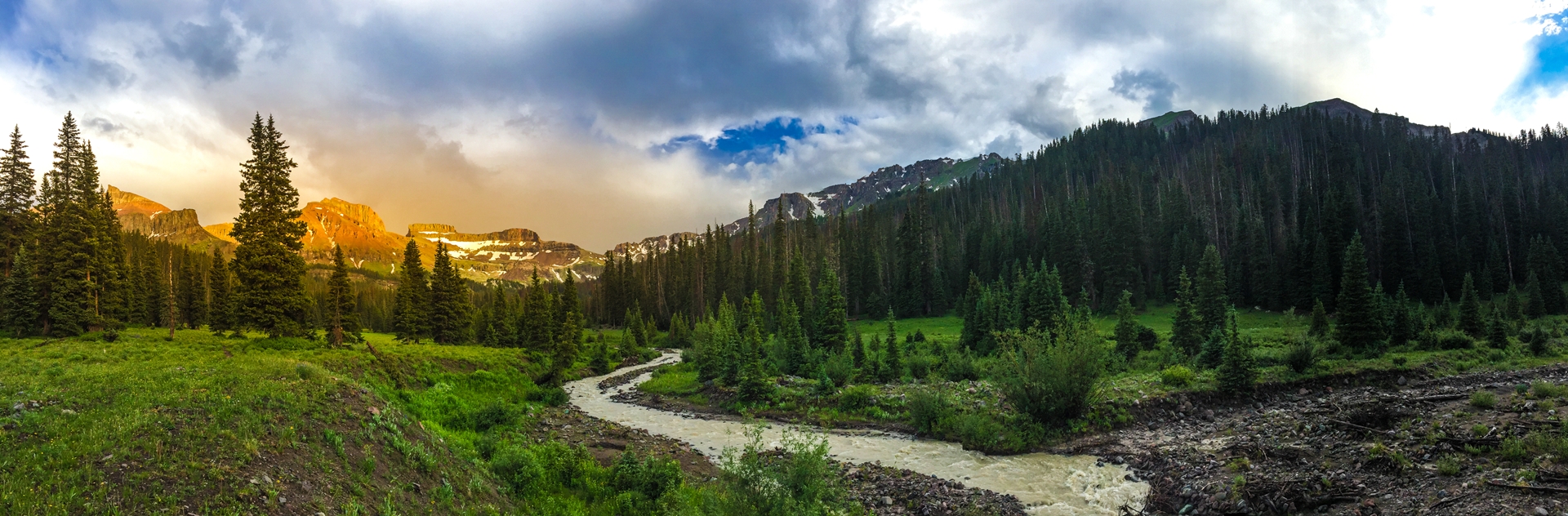
The study began with detailed measurements in an 81-hectare, or roughly 200-acre, headwater watershed in the East River drainage of Colorado’s Gunnison River.
The site is on the side of Snodgrass Mountain near Mount Crested Butte. Researchers used instruments to track water as it moved through the mountain environment, including measurements of soil moisture, groundwater, streamflow, and vegetation water use.
They studied two very different growing seasons. In 2023, a large snowpack was followed by a hot, dry summer. The following year had a more moderate snowpack but a cooler, wetter summer.
That contrast helped researchers examine a basic question: What happens to vegetation when the upper layers of soil become very dry?
The answer was not as simple as plants running out of water.
Plants Kept Using Water After the Soil Dried.
Plants lose water through a process called transpiration. Water moves through the plant and eventually enters the atmosphere through its leaves or needles.
Scientists often combine plant transpiration with evaporation from soil and other surfaces under the term “evapotranspiration.”
During a 30-day dry period, the researchers found that shallow soil moisture fell close to record-low levels. Yet measurements showed that vegetation continued releasing substantial amounts of water.
That presented a puzzle. If the shallow soil had largely dried out, where was the water coming from?
The study’s measurements pointed to shallow groundwater.
Researchers examined daily changes in soil moisture, groundwater, and streamflow. During extended dry periods, groundwater and streamflow patterns differed from those in the dry surface soil. At the same time, measurements showed that plant transpiration continued.
The researchers concluded that during these periods, vegetation was drawing water from groundwater rather than relying solely on moisture in the upper soil. When rain later replenished the soil, plants could switch back and use that newly available water.
In simple terms, roots appeared to be reaching into another part of the watershed’s water supply.
Why That Matters to Streams.
Mountain groundwater and streams are closely connected.
Snow does not simply melt and immediately rush downstream. Some snowmelt enters the ground and can remain there before slowly making its way into streams. That groundwater helps sustain streamflow during summer, long after the mountain snow has disappeared.
According to the study, groundwater-fed baseflow accounts for more than half of annual discharge in the Upper Colorado River Basin and most summer streamflow.
If vegetation draws more groundwater during hot, dry weather, less water may remain available to feed streams.
The researchers then asked whether the pattern they observed at the small Colorado study site also appeared across a much larger area.
Researchers Looked Across 18 Headwater Watersheds.
The scientists analyzed 625 years of combined stream-gage records from 18 minimally affected headwater watersheds across the Upper Colorado River Basin. The records covered 1986 through 2024.
They compared late-summer streamflow with summer temperature, precipitation, and peak snowpack. They measured late-summer flow from August 15 through September 15, while examining summer climate conditions from July 15 through September 15.
Snowpack remained an important predictor of summer water supply.
The snowiest group of years produced about 50 percent more late-summer flow than average-snowpack years and nearly twice as much as low-snowpack years.
But temperature mattered independently of snowpack.
The warmest summers produced only about 80 percent of median streamflow, while the coolest summers produced more than 118 percent. Within each snowpack category, warmer summers were associated with lower streamflow.
The researchers calculated that warm summers produced streamflow equal to about 83 percent of the long-term average. Low-snowpack years produced about 79 percent.
In other words, the effect of a warm summer was similar in size to the effect of a poor snowpack.
Perhaps more strikingly, warm summers reduced late-summer flows following high-snowpack winters to roughly average levels. Cooler summers, meanwhile, substantially increased flows following average-snowpack winters.
Summer Rain Can Change the Picture.
Temperature was not the only summer factor that mattered.
The study found that wetter summers were associated with higher late-season streamflow. The researchers said summer rain may temporarily give plants another water source, reducing their reliance on shallow groundwater. Rain can also contribute more directly to streamflow.
That means summer precipitation may partially offset some of the streamflow losses associated with hot weather.
The researchers found, however, that the relationship between higher summer temperatures and lower streamflow remained apparent under different precipitation conditions.
A Snowpack Can Carry a Memory.
The study also highlights another complication in understanding Colorado River water supplies.
Water moving through these mountain systems can carry the effects of previous years.
Because groundwater may be stored for years before reaching a stream, summer streamflow does not necessarily depend only on the most recent winter’s snowpack. The researchers found that average snowpack over the preceding five years buffered current conditions.
That means a single good snow year does not operate in isolation from the years that came before it.
The Researchers Note Some Uncertainty.
Stone and Maxwell cautioned that they cannot attribute the entire relationship between summer temperature and streamflow exclusively to vegetation.
Spring and summer temperatures were moderately related, and warmer springs were associated with earlier snowmelt. However, summer temperature itself had little relationship with the timing of snowmelt. The researchers said this suggests the summer-temperature effect they detected was not simply another consequence of earlier snowmelt.
They also found that direct evaporation from soil was probably limited during late summer because soils were generally dry. Taken together, the observations led the researchers to identify plant transpiration as the primary mechanism connecting warmer summers with lower streamflow, while acknowledging remaining uncertainty.
More Than Snow Determines Summer Water.
The findings add another piece to the complex journey from winter snowfall in the Rocky Mountains to water eventually reaching Colorado River streams.
Snowpack remains important. But the study indicates that what happens after the snow melts matters too.
During hot, dry summers, vegetation can continue using water by drawing from shallow groundwater. That groundwater is also an important source of late-season streamflow.
The researchers wrote that even substantial snowpack years can produce diminished summer flows when warmer temperatures allow vegetation to intercept more groundwater before it reaches streams.
Their findings suggest that understanding Colorado River headwater supplies requires watching not only how much snow falls during winter, but also what happens to water underground during the growing season.
Citation:
Stone, Harry, and Reed M. Maxwell. “Vegetation groundwater use drives streamflow declines in Colorado River headwaters.” Communications Earth & Environment, published September 14, 2026. DOI: 10.1038/s43247-026-04045-2.