- Lake Mead is approaching its lowest water level since it was first filled, raising alarms across the Southwest.
- The Metropolitan Water District of Southern California struck a deal worth up to $65 million to leave water in the reservoir and protect power generation at Hoover Dam.
- Officials warn the agreement is a short-term fix, and lasting solutions will require all seven Colorado River Basin states to reach long-term consensus before current operating guidelines expire at year’s end.
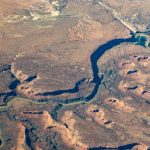
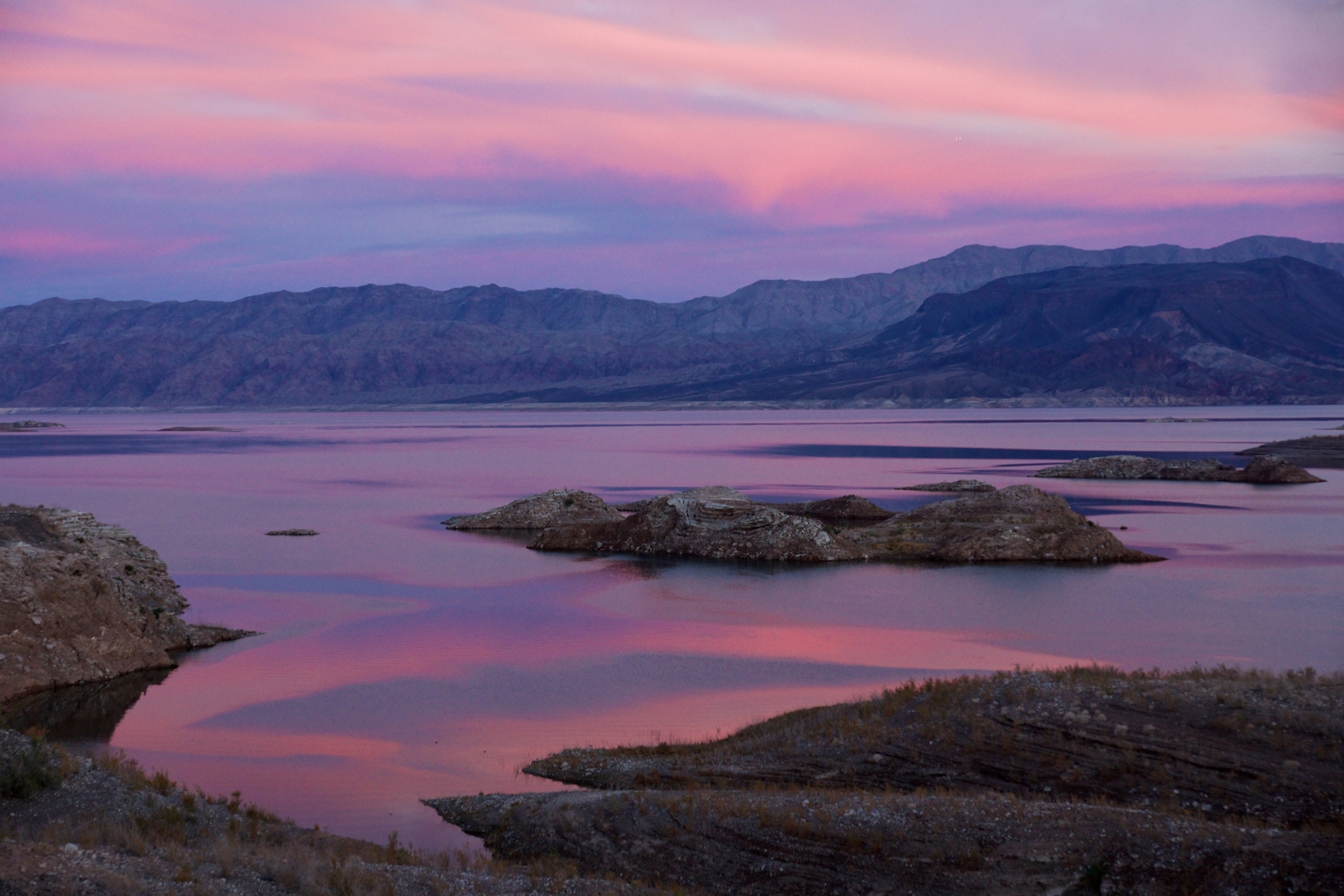
Thursday, July 16, 2026 — Lake Mead, the nation’s largest reservoir and the lifeblood of water supply for tens of millions of people across the American Southwest, is creeping toward the lowest water level it has ever seen since it was first filled decades ago. After a winter that brought record-low snowpack to the Colorado River Basin, the giant lake straddling the Nevada-Arizona border has been steadily shrinking, and the consequences stretch far beyond just drinking water.
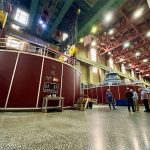
If the lake drops low enough, the turbines at Hoover Dam could lose up to 70 percent of their ability to generate electricity, slashing a critical power source for homes and businesses across the region.
Facing that possibility, one of the country’s largest water agencies moved quickly this week to help.
Southern California Steps In.
On July 14, 2026, the Board of Directors of the Metropolitan Water District of Southern California approved a landmark agreement with the United States Bureau of Reclamation, the federal agency that manages water in the West. Under the deal, Metropolitan will leave up to 200,000 acre-feet of its Colorado River water supply sitting in Lake Mead rather than drawing it down for use.
To put that in plain terms: one acre-foot holds about 326,000 gallons of water, roughly enough to supply three average households for a full year. The 200,000 acre-feet covered by this agreement could serve roughly 600,000 households.
In exchange, the federal government will pay Metropolitan $325 for every acre-foot left behind, for a total payment of up to $65 million. That money comes from a conservation program funded by the 2022 Inflation Reduction Act, a federal law that set aside dollars specifically to help shrinking Colorado River reservoirs.
Thirty Years of Smart Planning Made It Possible.
Metropolitan Board Chair Adán Ortega, Jr. said the agency was only able to say yes to this kind of agreement because of decisions made long ago.
“Over the last 30 years, we’ve transformed how Southern California secures its water future. By investing in diverse water supplies, incentivizing conservation, and capturing and storing water whenever it’s available, we’ve added resilience to our system,” Ortega said. He noted that Metropolitan and its ratepayers have invested $1.7 billion in conservation, water recycling and groundwater recovery since 1990, producing over 8.8 million acre-feet of water in return.
“Those decades of forward-thinking investments allow us to step forward and help stabilize the Colorado River when it needs us most,” he added.
Metropolitan serves about 19 million people in Southern California, drawing roughly half of its supply from the Colorado River and the other half from Northern California. Because the agency has spent decades building backup supplies and storage, it has enough flexibility to forgo some of its Colorado River water in a crisis year without leaving its customers short.
Tribal and Agricultural Partners Join the Effort.
The board also approved two additional agreements tied to the effort. Working with the Quechan Tribe and Bard Water District, longtime agricultural partners in the lower Colorado River region, Metropolitan helped arrange for the Bureau of Reclamation to fund the addition of up to 19,000 acre-feet of conserved farm water into Lake Mead each year in 2027 and 2028. Similar partnership agreements were struck in 2023 as the reservoir was also struggling.
A Bridge, Not a Solution.
Metropolitan General Manager Shivaji Deshmukh was careful to frame the new agreement as a stopgap, not a permanent fix.
“We’re grateful to be in the position this year to help reduce the impacts of drought on the Colorado River system as it faces unprecedented challenges,” Deshmukh said. “But while these agreements provide important near-term support, lasting progress will require long-term solutions. If we all commit to reducing our use, we can avoid deeper cuts and create lasting change that will benefit future generations who rely on the Colorado River Basin.”
The current rules governing how the seven states that depend on the Colorado River share its water are set to expire at the end of 2026. Deshmukh stressed that reaching a new long-term agreement among those seven states is the real work that lies ahead.
What Happens Next.
For now, the deal buys time. Water that Metropolitan paid for and had the legal right to use will instead stay in Lake Mead, helping prop up levels just enough to keep Hoover Dam’s generators humming through what is shaping up to be a very difficult year on the Colorado River.
Whether that breathing room leads to the broader, lasting agreement that water managers say is desperately needed remains the central question facing the river and everyone who depends on it.