- The U.S. Environmental Protection Agency released a new checklist on August 13, 2026.
- The tool helps states catch drinking water problems before service fails.
- It targets “systemic issues” such as aging pipes and stretched water supplies.
- Use of the checklist is voluntary and fits into inspections states already run.
- The agency pointed to billions of dollars in funding available for repairs.
Tuesday, August 18, 2026 — The U.S. Environmental Protection Agency introduced a new checklist on August 13, 2026, meant to help states find weak spots in drinking water systems before those weak spots cause real trouble. The agency said the goal is to spot small problems during routine checkups and fix them early, so homes, schools, and hospitals keep getting clean water without a break in service.
The checklist is voluntary. States do not have to use it. The agency designed it to slide into inspections that state agencies already perform, so it adds a tool rather than a new stack of paperwork.
EPA tied the release to its Powering the Great American Comeback Initiative and to states’ role as co-regulators under the Safe Drinking Water Act.
What “Systemic Issues” Really Means.
The heart of the checklist rests on a plain idea. Water systems can develop problems that look small at first but could shut off service if something breaks. EPA calls these “systemic issues.”
The agency listed a few everyday examples. A town’s water source might be creeping close to its limit as demand grows. Treatment equipment might start malfunctioning. Water mains might break again and again. Any one of these can quietly build toward a failure. The checklist gives state workers a way to write down these warning signs and track them over time.
Built Into Inspections That Already Happen.
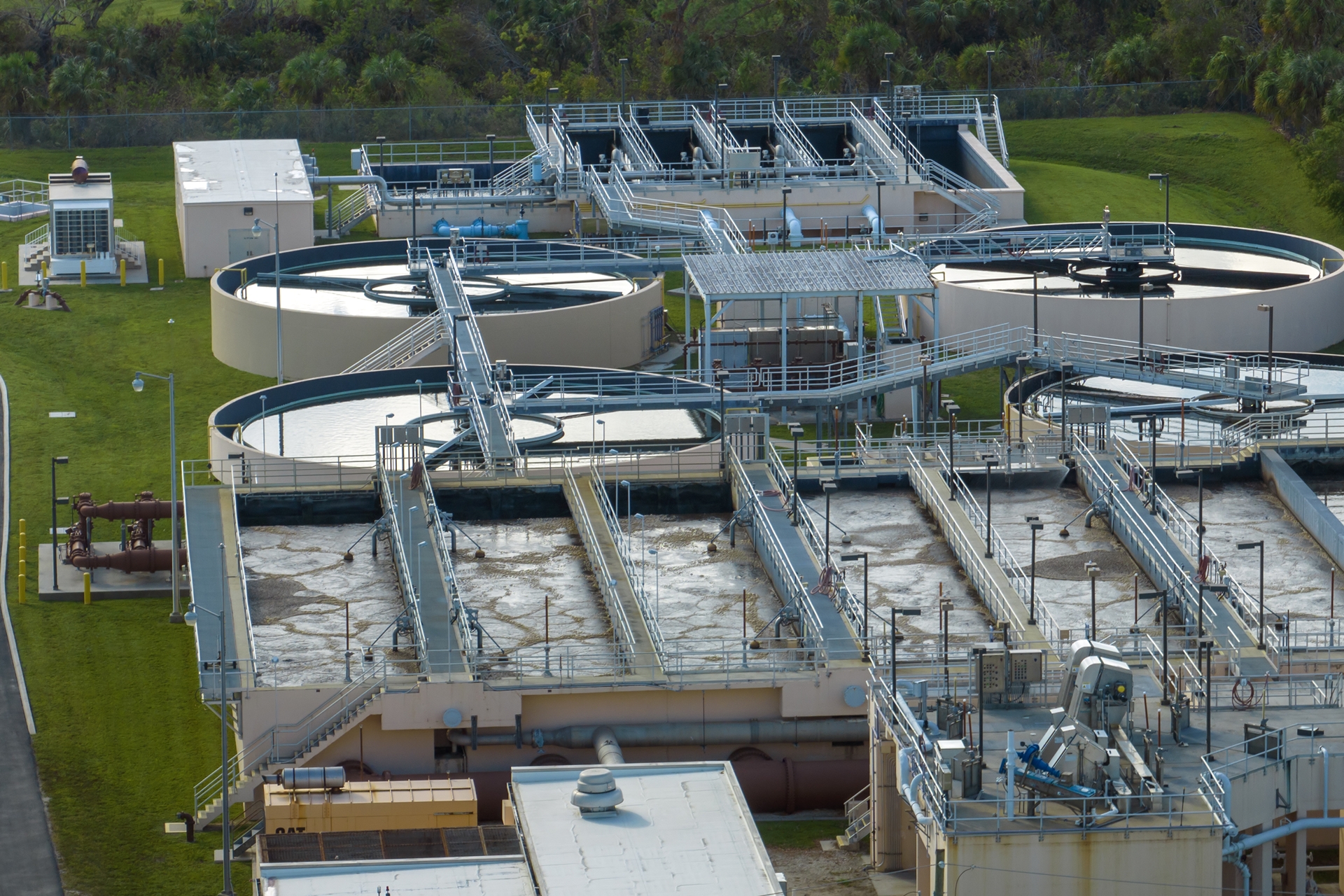
State agencies regularly inspect public water systems. These routine reviews are called sanitary surveys. During a sanitary survey, inspectors look at how a system pulls in, treats, stores, and delivers water.
EPA said the new checklist is meant to work alongside those surveys. Inspectors can use it to flag systemic issues and note them for follow-up. The document also offers recommendations for fixing problems over the long term, not just patching them for a day.
What EPA and the States Are Saying.
Jess Kramer, EPA Assistant Administrator for Water, said the agency “must work seamlessly with state co-regulators to ensure drinking water is meeting federal standards,” and he described the new checklist as easy-to-use guidance for assessing water systems and protecting drinking water.
Support also came from the Association of State Drinking Water Administrators, a group that represents state drinking water agencies. Its Executive Director, Anthony DeRosa, called the tool “a practical resource that will help drinking water primacy agencies and public water systems identify and address challenges before they become risks to service reliability or public health.” Primacy agencies are state agencies responsible for administering drinking water programs.
Federal Dollars for Repairs.
EPA also pointed to money that states can tap for water system upgrades.
This year, the agency announced more than $6.5 billion for states through the Drinking Water State Revolving Fund, a program run by states to help water systems meet the health goals of the Safe Drinking Water Act. EPA said it has roughly $11 billion in flexible financing available through the Water Infrastructure Finance and Innovation Act loan program, known for short as WIFIA. In small and rural communities, that program can cover up to 80 percent of a project’s cost.
The agency added that the checklist complements its hands-on technical help, called Real Water TA, which works directly with communities and water systems that face infrastructure or funding challenges.
Where to Find It.
EPA said the Systemic Issues Checklist is posted on its sanitary survey page and on its capacity development state resources page under the Safe Drinking Water Act.

 wpDiscuz