- An atmospheric river threatens Northern California during Thanksgiving travel.
- The storm coincides with the highest ocean tides of the year.
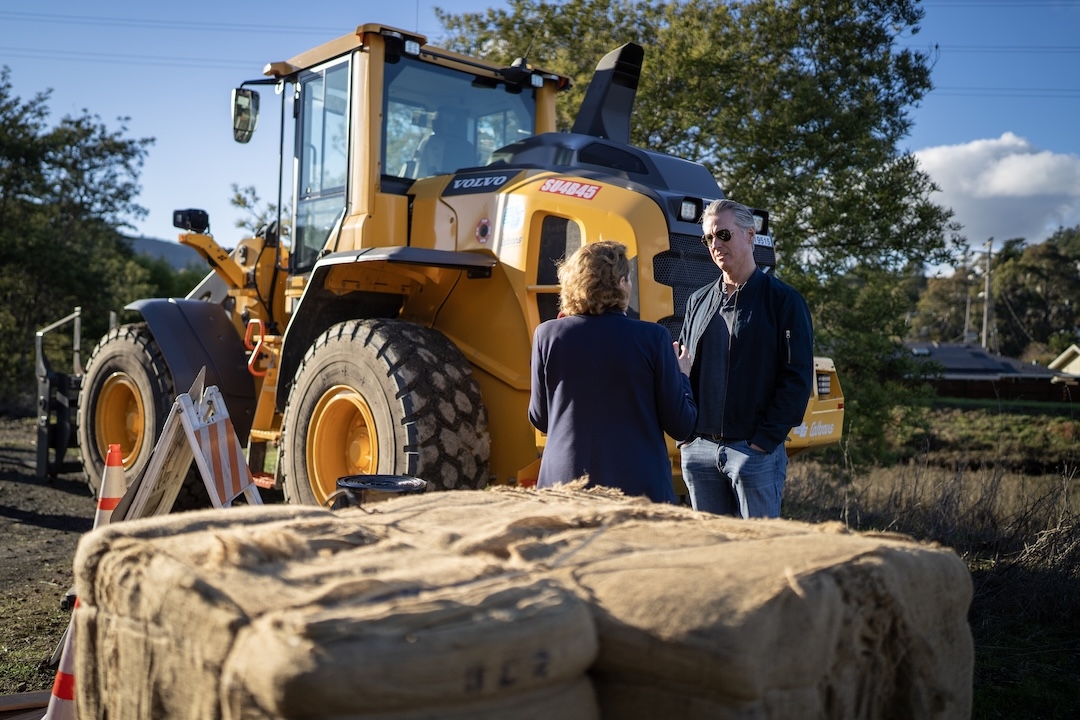
- California has stockpiled more than 4.4 million sandbags.
- Emergency rescue crews and flood-fighting equipment are in position.
- Travelers are urged to prepare for flooding, landslides and road closures.
Wednesday, November 25, 2026 — California is facing a potentially dangerous combination of heavy rain, exceptionally high ocean tides and one of the busiest travel weeks of the year.
On November 24, Governor Gavin Newsom announced that state agencies had positioned emergency supplies, rescue personnel and heavy equipment ahead of an atmospheric river expected to reach Northern California on November 24 and 25.
The storm coincides with king tides, the highest ocean tides of the year, increasing concerns about coastal flooding and hazardous travel conditions.
“California took early action to prepare for El Niño, and we’re continuing that work by strengthening flood defenses, positioning emergency supplies, and coordinating with local emergency crews to reduce risks to communities,” Newsom said. “This storm can still bring dangerous and unexpected conditions.”
Millions of Sandbags Ready for Deployment.
California has spent months preparing for a potentially historic El Niño winter. On September 21, Newsom proclaimed a state of emergency, allowing agencies to accelerate preparations before severe weather arrived.
The California Department of Water Resources has positioned 211 shipping containers filled with emergency flood-fighting supplies throughout the state.
The state’s stockpile includes more than 4.4 million sandbags, 52,000 feet of portable flood barriers and 400,000 tons of rock for emergency levee repairs.
Meanwhile, more than 1,500 members of the California Conservation Corps have completed flood-fighting training and are available to respond to storm-related emergencies.
The organization completed its training ahead of schedule because El Niño storms were already affecting California.
Protecting Highways and Bridges.
California transportation crews have been clearing drains and culverts, reinforcing slopes, checking pumping stations and placing sandbags near wildfire burn scars and other vulnerable areas.
Approximately 1,300 pieces of equipment are ready for deployment at more than 120 maintenance yards across the state.
On November 23, crews completed installation of a temporary flood barrier near the San Francisco-Oakland Bay Bridge Toll Plaza to protect westbound Interstate 80 from high-tide flooding.
Crews are also installing temporary flood protection measures along Doolittle Drive near Oakland International Airport and at the Posey Tube connecting Oakland and Alameda.
In recent months, California has worked to raise flood-prone sections of State Route 37 and repair seawalls along the Pacific Coast Highway.
Emergency Rescue and Medical Teams on Standby.
California’s Office of Emergency Services has approved requests to position firefighters, emergency crews and heavy equipment in several counties, including Del Norte, Humboldt, Marin, San Francisco, Alameda, Solano and Ventura.
Swift-water rescue and urban search-and-rescue teams have been assigned to Marin and San Francisco counties.
The California National Guard is also prepared to provide high-water vehicles, aircraft, search-and-rescue personnel and logistical assistance if requested.
The California Department of Social Services has positioned 30 emergency shelter trailers across counties and Tribal areas. Each trailer contains enough equipment and supplies to operate a 75-person shelter, including accessible cots and medical equipment.
Ambulance teams, mobile medical teams, and mobile medical shelters are also available if requested by counties or Tribal partners.
Coastal Parks Prepare for Flooding.
California State Parks has closed Border Field State Park and part of Carlsbad State Beach because of anticipated flooding.
Sandbags are being used to protect historic cottages at Crystal Cove State Park. The state’s emergency proclamation also helped accelerate repairs at Malibu Pier and MacKerricher State Park.
Visitors are encouraged to check park closures before traveling.
Why El Niño and King Tides Are a Concern.
El Niño occurs when ocean temperatures in the eastern tropical Pacific become unusually warm. This warming changes weather patterns worldwide.
Although the effects vary by location, El Niño can bring more frequent and intense storms to California. These storms can cause flooding, landslides, erosion, and destructive flows of mud and debris.
California has already experienced coastal flooding associated with El Niño this year. Large ocean disturbances known as Kelvin waves have raised sea levels, while offshore Pacific hurricanes have generated powerful waves along the California coast.
The arrival of an atmospheric river during the year’s highest tides adds another concern for emergency officials.
Thanksgiving Travelers Urged to Take Precautions.
The California Highway Patrol is warning motorists that road conditions could change rapidly during the holiday.
Drivers are encouraged to check Caltrans QuickMap for road closures, traffic conditions, and tire-chain requirements before leaving home. Officials also recommend reducing speeds, allowing extra stopping distance, avoiding cruise control on wet roads, and checking tires and windshield wipers.
Above all, motorists should never attempt to drive through floodwater. Even relatively shallow water can conceal a damaged or washed-out roadway.
California residents can obtain emergency preparedness information and sign up for local emergency alerts through the state’s Ready California website (ready.ca.gov).
Image via Governor Newsom’s press release.