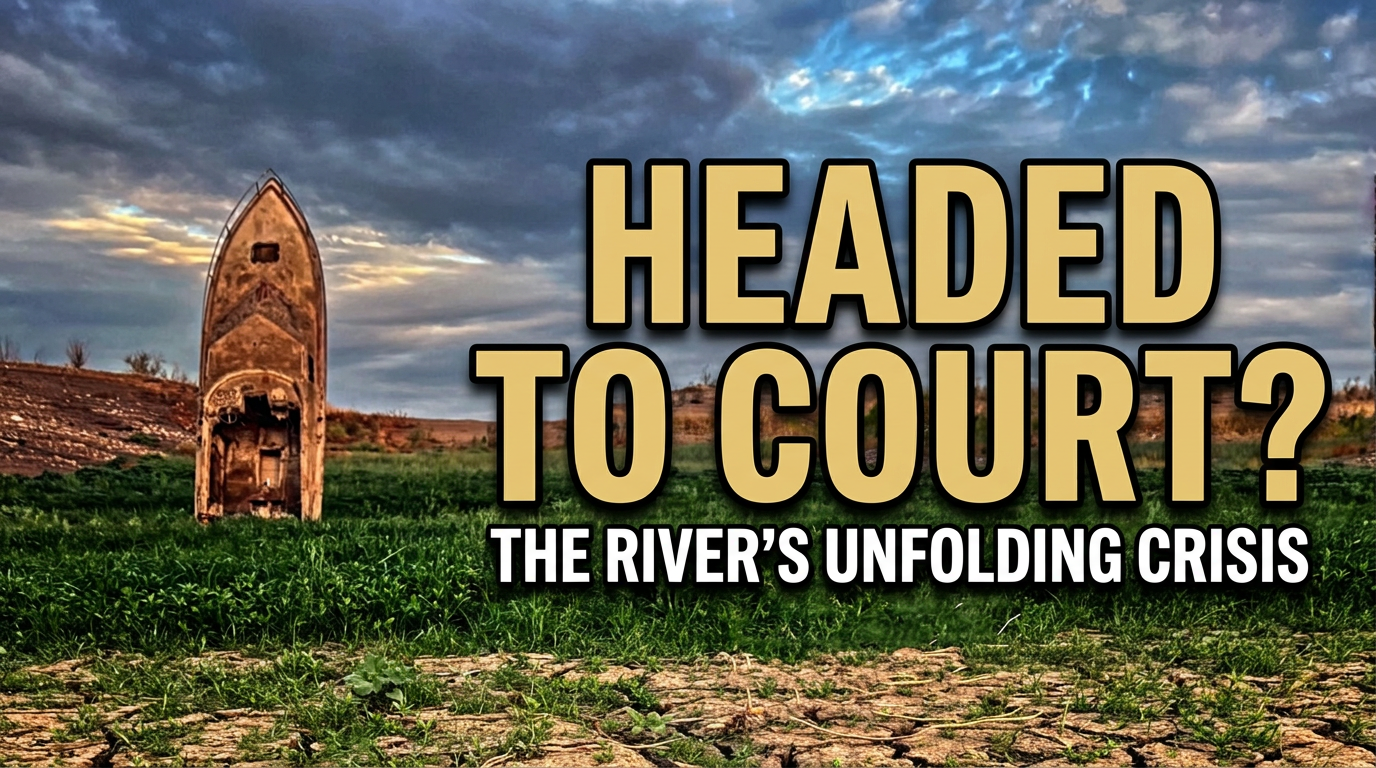
Sunday, August 16, 2026 — The Colorado River crisis is entering a new and potentially more contentious phase. Lake Powell and Lake Mead remain near historic lows, while new research shows how warming temperatures, poor snow conditions, declining groundwater and changing agricultural irrigation are reshaping water supplies across the West. At the same time, Utah reservoirs are falling, California is adjusting water deliveries, and the seven Colorado River Basin states remain divided over how future shortages should be shared. Arizona has now formally challenged key elements of the federal government’s proposed approach to managing the river after 2026, preserved its right to pursue litigation and established a $9 million fund for a possible legal fight. In this edition of Western Water Weekly, we look beyond the reservoir headlines to examine the science, groundwater, agriculture and increasingly serious legal dispute behind a much larger question: Could the next chapter of the Colorado River crisis be written in a courtroom?
Video | Colorado River Crisis: Is the Next Battle in Court?