- California has completed a major Sacramento Valley flood-control project ahead of potential El Niño storms.
- State crews have stockpiled 4.4 million sandbags at emergency supply locations across California.
- Officials are inspecting levees, preparing dams, and coordinating flood-response plans with local communities.
- Governor Gavin Newsom has issued emergency orders to speed up storm preparations and protect vulnerable areas.
- Residents are being encouraged to prepare for flooding, landslides, and possible evacuations.
Thursday, November 19, 2026 — California is preparing for a potentially stormy winter, with state officials repairing flood-control structures, stocking emergency supplies, and working with local communities to reduce the damage that heavy rain could cause.
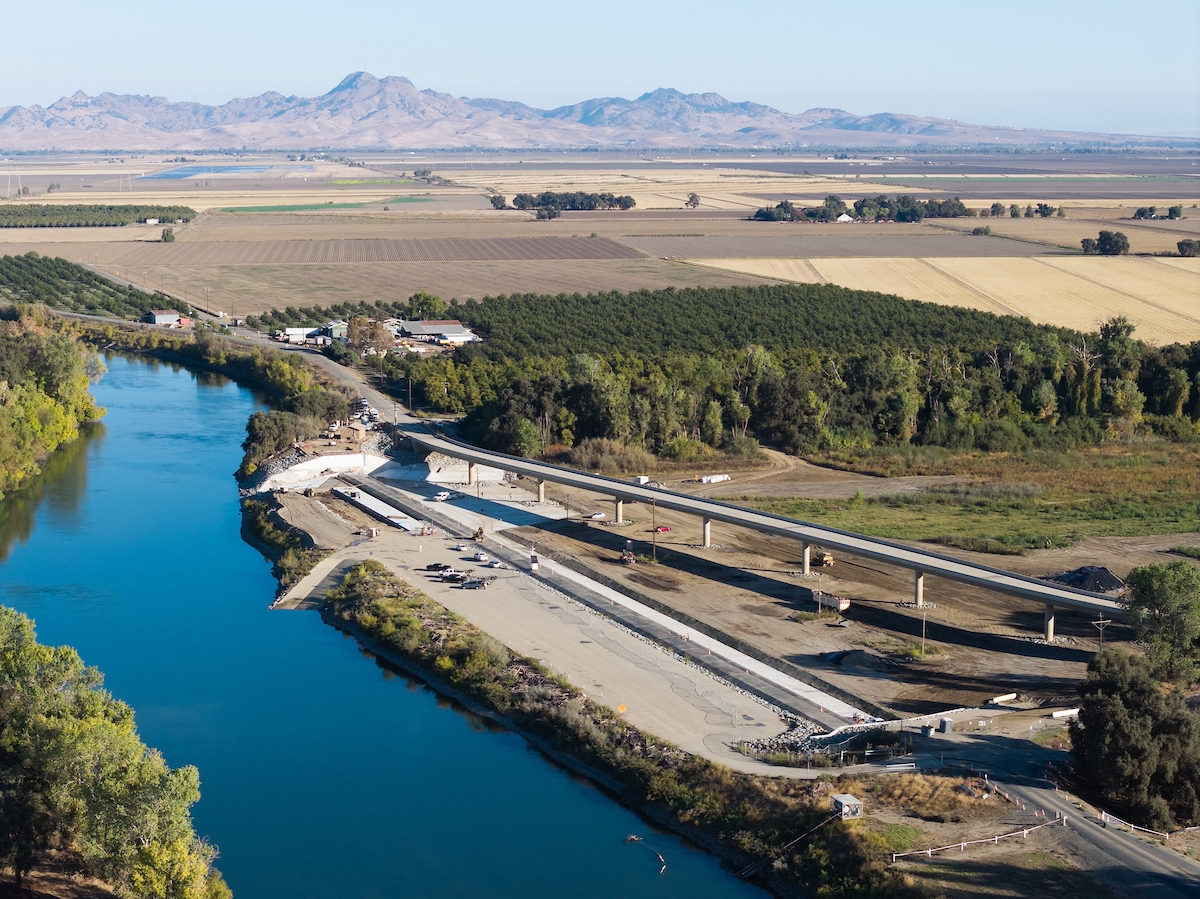
On November 17, 2026, Governor Gavin Newsom announced the completion of the Tisdale Weir Rehabilitation and Fish Passage Project in Sutter County. The project is part of a broader statewide effort to prepare for possible El Niño storms.
El Niño occurs when ocean waters in the eastern tropical Pacific become unusually warm, changing weather patterns worldwide. In California, those changes can bring more frequent and powerful storms, along with flooding, landslides, erosion, and dangerous debris flows.
However, El Niño does not guarantee a wet winter. The location, strength, and timing of individual storms remain difficult to predict.
A Historic Flood-Control Structure Gets New Life.
One of California’s latest improvements involves Tisdale Weir, a 1,150-foot-long concrete structure along the Sacramento River in Sutter County.
Originally built in 1932 by the U.S. Army Corps of Engineers on the site of an earlier structure, the weir helps control flooding by directing excess river water into a system of channels known as bypasses.
When the Sacramento River rises, water spills over the weir and enters the Tisdale Bypass. From there, it flows toward the Sutter Bypass, relieving pressure on downstream levees and helping protect nearby communities.
The aging structure had developed problems, including deteriorating concrete and exposed reinforcing steel.
The completed rehabilitation extends its useful life and adds a new passage to help Chinook salmon and green sturgeon return to the Sacramento River.
Previously, fish entering the bypass during high water could become stranded when river levels dropped. The new system includes a gated opening, a connecting channel, and a redesigned basin to guide fish back toward the river.
California Secretary for Natural Resources Wade Crowfoot described the project as a benefit to both communities and wildlife.
“This project is a win-win for people and nature,” Crowfoot said in the November 17 announcement.
Emergency Supplies Stockpiled Across California.
Beyond the Sacramento River project, California has been preparing equipment and emergency supplies for possible flooding statewide.
According to the Governor’s Office, the California Department of Water Resources has positioned flood-fighting materials at 68 locations statewide.
Those supplies include:
- 4.4 million sandbags to help hold back floodwater.
- More than 52,000 feet of portable flood barriers that emergency crews can quickly install.
- 400,000 tons of rock for emergency repairs to damaged levees.
The department is also working with counties, cities, and other government agencies through more than a dozen regional preparedness workshops.
These efforts include engineering assistance, emergency planning, and coordination with agencies responsible for maintaining levees and protecting communities.
Levees, Dams, and Water Systems Under Review.
California’s flood preparations also involve inspecting and maintaining structures that protect communities from rising water.
Each fall, state crews inspect approximately 1,600 miles of levees under the State Plan of Flood Control. They also maintain weirs, bypasses, and other structures that move floodwater away from developed areas.
The Department of Water Resources has notified dam owners statewide to prepare for potential El Niño-related storms.
The department conducts annual inspections of all dams classified as high or extremely high hazard and evaluates older dams for earthquake and flood risks.
Meanwhile, the State Water Project, which supplies water to 27 million Californians, has undergone its annual maintenance and inspections in preparation for winter operations.
Emergency Orders Address Flood and Landslide Risks.
California’s preparations began before the November announcement.
In September 2026, Governor Newsom proclaimed a state of emergency to strengthen statewide El Niño preparedness.
The declaration directed state agencies to protect vulnerable communities, prepare roads and infrastructure, stage emergency supplies, and address possible flooding, landslides, and coastal damage.
Additional executive orders addressed specific concerns.
One established a Highway 1 Task Force to examine threats to the coastal highway and surrounding communities.
Another streamlined storm-preparation work, including levee repairs, clearing debris from waterways, and protecting vulnerable infrastructure.
The state is also coordinating with local emergency officials to improve planning and response capabilities.
Federal Flood Funding Remains a Concern.
The November 17 announcement also raised concerns about federal funding for flood protection.
According to the Governor’s Office, the Trump administration’s fiscal year 2025 Army Corps of Engineers work plan provided no construction funding for four California flood-control projects that had been proposed to receive a combined $126.4 million.
Those projects include flood improvements in the Natomas Basin, Pajaro River at Watsonville, Lower San Joaquin River, and West Sacramento.
The Governor’s Office also cited federal efforts to cancel the Federal Emergency Management Agency’s Building Resilient Infrastructure and Communities grant program.
California and 19 other states challenged that cancellation in court, and courts ordered the program restored. However, the Governor’s Office reported that some California projects continued to experience funding delays.
The federal funding dispute is separate from the state’s ongoing winter flood preparations.
What Residents Can Do Before Storms Arrive.
State officials are encouraging Californians to prepare for heavy rain, snow, flooding, and possible evacuations even though the severity of the coming winter remains uncertain.
The Governor’s Office recommends several precautions:
- Sign up for emergency alerts. Local warnings can provide information about dangerous conditions and evacuation orders.
- Check flood risks. Homes and businesses in flood-prone areas, particularly below recently burned hillsides, may face additional dangers from mudslides and debris flows.
- Prepare an evacuation plan. Households should identify evacuation routes and have essential supplies, medications, and provisions for pets and other animals ready.
- Follow weather forecasts. Storm conditions can change quickly, making local emergency instructions especially important.
- Avoid flooded roads. Water may conceal damaged pavement or washed-out roadways. Drivers should turn around rather than attempt to cross floodwater.
California’s Office of Emergency Services also provides regional flood-risk information and household preparedness checklists through its Listos California program.
Preparing for an Uncertain Winter.
California’s preparations reflect the range of problems that El Niño-related storms can create, from rising rivers and damaged levees to blocked highways and dangerous flooding in communities far from major waterways.
The completed Tisdale Weir rehabilitation adds another improvement to the Sacramento River flood-control system. Across the state, inspections, emergency supplies, and coordinated response plans are intended to help communities prepare before severe weather arrives.
Although the winter’s actual weather remains uncertain, California officials are urging residents and local governments to make preparations before the next major storm.
Sources and Citations:
1. Office of Governor Gavin Newsom, November 17, 2026. Governor Newsom Announces Completion of Major Sacramento Valley Flood Project Ahead of El Niño. Primary source for statewide preparedness actions, emergency orders, flood-fighting supplies, funding disputes, and public safety recommendations.
2. California Department of Water Resources. Tisdale Weir Rehabilitation and Fish Passage Project. Official project background describing the structure’s history, flood-control function, rehabilitation needs, and fish-passage improvements. Source material supplied.
3. California Department of Water Resources, November 17, 2026. Major Sacramento Valley Flood Infrastructure Project Completed Ahead of El Niño Winter. Project completion announcement, as identified in the supplied source material.
Image via Governor’s press release: “Tisdale Weir in Sutter County strengthens flood protection and improves fish passage along the Sacramento River.”